As an Amazon Associate, we earn from qualifying purchases. Some links on this site are affiliate links at no extra cost to you. Our recommendations are based on thorough research and editorial judgment.


How Mastering Affects Vinyl Sound Quality

Mastering is crucial for vinyl sound quality. It guarantees balance, protecting against distortion. Vinyl’s dynamic range is only 55-70 dB, so careful frequency management is indispensable. Bass frequencies can complicate groove cutting, while excessive highs can cause distortion. Use techniques like multi-band compression and low-pass filters to enhance audio fidelity. Proper track sequencing also helps maintain sound quality during playback. There are more practical insights and tips that can guide you through the mastering process.
Key Takeaways
- Mastering for vinyl involves managing dynamic range, which is limited to 55-70 dB, affecting overall sound quality compared to digital formats.
- Proper frequency management ensures lower bass and higher frequencies are balanced, preventing playback distortion and enhancing audio fidelity.
- Effective track sequencing places intense songs early to avoid playback issues, maintaining the integrity of the listening experience.
- Multi-band compression allows for preservation of dynamic range while preventing excessive loudness and distortion during playback.
- Attention to sibilance and stereo imaging improves sound quality, reducing the risk of mistracking and enhancing overall vinyl playback fidelity.
Understanding the Importance of Mastering for Vinyl Records

You may be interested


Mastering is an essential step in producing vinyl records. It requires a unique approach due to the physical limitations of vinyl. Mastering for vinyl involves managing high frequencies and bass frequencies to avoid distortion on vinyl playback. Properly cutting grooves accurately is critical to maintain vinyl sound quality. Additionally, vinyl records have a dynamic range of 55-70 dB, which is lower than that of CDs. As a result, careful control of dynamics is vital. Avoiding excessive loudness is important, especially since “brick wall” limiting can lead to skipping. The order of tracks, or track sequencing, matters too. Placing more intense songs earlier helps preserve sound quality by preventing playback issues on the innermost grooves. Vinyl record players with built-in speakers enhance the listening experience by offering custom-tuned audio for better sound quality.
The Role of Digital Masters in Vinyl Production

In the world of vinyl production, digital masters play a pivotal role. These digital versions often emphasize high frequencies and loudness, which can distort during the vinyl pressing process. To maintain sound quality, engineers must manage volume carefully, considering the limitations of vinyl’s dynamic range, typically around 55-70dB. Techniques like “brick wall” limiting may truncate dynamics, further affecting playback. High frequencies above 20kHz can create issues, so using low-pass filters during the mastering process is vital. Also, applying the RIAA equalization curve guarantees a smoother shift from digital to vinyl, allowing grooves to represent frequency information accurately. By addressing these aspects, one can achieve a more satisfying listening experience in the vinyl format. Solid construction, such as MDF wood, plays a critical role in minimizing vibrations during playback, improving the overall audio fidelity and experience.
Unique Challenges of Vinyl Mastering

Vinyl mastering presents unique challenges that differ markedly from digital formats. One major hurdle is dynamic range management, as vinyl typically supports 55-70 dB compared to over 96 dB for digital. Mastering engineers must carefully balance low frequencies; excessive bass can complicate groove cutting and even distort playback. It’s also essential to manage sibilance, where high frequencies may become distorted. Tools like de-essers and low-pass filters can help here. Additionally, due to physical limitations, longer vinyl tracks often compromise sound quality. Engineers should start albums with powerful songs to maintain fidelity. Careful attention to stereo imaging is critical too, as out-of-phase low-end content can lead to tracking issues. Regular maintenance and deep cleaning of records, such as using a Spin-Clean Vinyl Record Washer Deluxe Kit, can prevent sound quality degradation and prolong the lifespan of the vinyl. By mastering with these factors in mind, sound quality will improve.
Frequency Management in Vinyl Mastering

How can frequency management improve sound quality in vinyl mastering? Proper frequency management is crucial for peak audio quality in the vinyl cutting process. The RIAA Equalisation Curve plays a key role, reducing low frequencies while enhancing high frequencies to maximize record runtime. Low frequencies must be carefully managed, as they are cut laterally, impacting stereo bass and potentially causing phase issues in the groove. To avoid high frequency distortion, use a low-pass filter around 18kHz and apply EQ adjustments on sibilant vocals and cymbals. These steps promote clarity during playback and limit unwanted distortion. Ultimately, achieving a balanced frequency distribution is essential for producing high-quality vinyl records that sound great on any turntable. Ensuring compatibility with existing audio setups is essential for a seamless experience.
The Impact of High Frequencies on Vinyl Quality

While mastering a track for vinyl, it’s essential to contemplate the impact of high frequencies on sound quality. High frequencies, particularly those above 20kHz, can cause distortion during the vinyl cutting process. To avoid this, mastering engineers often utilize low-pass filters. Additionally, excessive high frequency amplification can lead to sibilance, distorting sounds like cymbals and sibilant vocals when pressed onto vinyl. Vinyl records have grooves that must accommodate various frequencies, and imbalances can affect pressing quality. The RIAA equalization curve helps by cutting low frequencies and boosting high frequencies during recording. Engineers may use de-essers to manage sibilance, ensuring that high frequencies remain balanced without compromising overall fidelity in the final product. Proper attention to high frequencies is vital for successful vinyl mastering. Regular cleaning and upkeep are essential to enhance longevity and sound quality, especially for Rane turntables, which are renowned for their unmatched sound quality and performance.
Managing Low Frequencies for Optimal Playback
Managing low frequencies effectively is key to ensuring a smooth playback experience for vinyl records. During vinyl mastering, excess low-end can make the stylus skip, causing distortion. To prevent groove issues, it’s important to use a low cut filter set below 20 Hz. This helps in cutting unneeded low frequencies and improves sound quality. Remember, mono low-end information is best cut laterally; stereo content requires careful equalization to avoid out-of-phase grooves. When mastering, maintain a dynamic range of 55-70 dB, lower than digital ones that exceed 96 dB. If you have heavy bass tracks, place them at the start of each side. This minimizes distortion and enhances overall playback quality. Ensure that your turntable cartridge is compatible with your turntable model, as proper setup and compatibility can greatly influence the sound quality and minimize playback issues.
Recommended Products

High-End Decoding & Dual Cartridge Compatibility:Equipped with CS43131 high-end DAC chip, supports MQA full decoding and DSD/PCM high-resolution formats. Compatible with MM/MC phono cartridges, enabling direct connection to turntables for lossless audio reproduction.
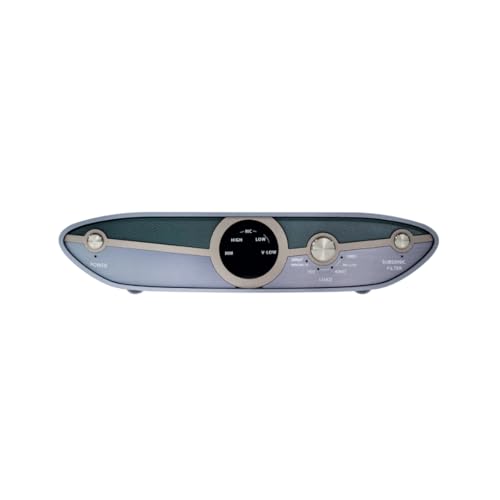
Versatile Cartridge Compatibility: With MM/MC, high/low and very low settings, the ZEN Phono is able to handle just about any cartridge. From 36dB all the way up to 72dB. So as your vinyl system grows over time, the ZEN Phono will always keep up

DESIGN: OSD Audio’s Pre-1 is a unique preamplifier that accomplishes the subtle audio tasks that takes an ordinary audio source management to the next level.
Dynamic Range Considerations in Vinyl Mastering
Understanding the dynamic range is essential for achieving great sound quality in vinyl mastering. The typical dynamic range for vinyl is between 55 to 70 dB, which is much lower than CDs. This means that excessive limiting can compress the dynamic range, harming the audio information. Instead, use multi-band compression to maintain a more natural sound. Keeping loudness consistent is also vital, as dramatic changes can cause skipping during playback. Long sides of vinyl need lower overall volume and bass levels to preserve sound fidelity. By carefully managing these elements, one can enhance the playback experience, ensuring the music sounds rich and well-balanced without distortion. This balance is key for creating enjoyable records. When selecting a turntable, consider models like the Audio-Technica AT-LP120XBT-USB-BK, which offers Bluetooth capabilities that enhance modern convenience and flexibility in playback options.
How Brick Wall Limiting Affects Sound Quality
When mastering audio for vinyl, understanding brick wall limiting is essential for preserving sound quality. This technique reduces dynamic range drastically, often pushing digital masters to an integrated LUFS level of -9, which vinyl struggles to reproduce. Excessive limiting can truncate transients, reducing emotion in playback. When the master is too loud, it can cause skipping issues, as vinyl grooves can’t handle sudden volume changes. During the vinyl cutting process, engineers may need to lower the master volume to avoid distortion. This further impacts the dynamic range and alters the original sound characteristics. For best results, aim for a balance in mastering that keeps dynamics intact while ensuring a safe volume level for vinyl playback. A well-maintained vinyl collection ensures optimal performance, making ultrasonic cleaners the preferred choice for serious collectors.
Recommended Products

HumminGuru NOVA Ultrasonic Vinyl Record Cleaner

SUS304 Stainless Steel Tank: The inner tank of the ultrasonic cleaning machine is made of SUS304 stainless steel, which makes the equipment resistant to weak acids and alkalis, reduces corrosion and prolongs the service life of the product.
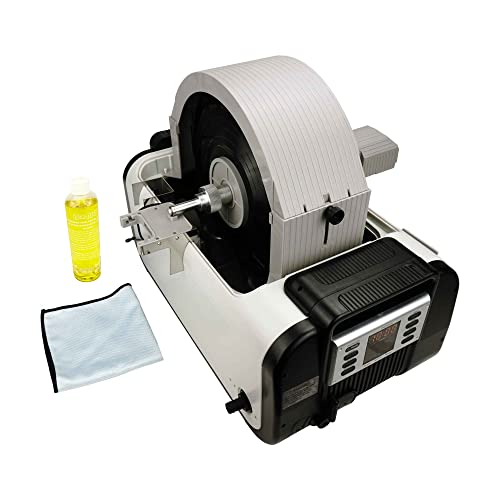
Popular iSonic Ultrasonic Vinyl Record Cleaner fitted with a PRO set of accessories with 1-micron filter and a step motor for cleaning and spin drying.
Techniques for Enhancing Vinyl Sound Fidelity
Enhancing vinyl sound fidelity begins with a few key techniques that can make a noticeable difference. Vinyl enthusiasts often employ multi-band compression instead of traditional limiters. This approach retains the dynamic range while limiting distortion during the vinyl mastering process. Implementing a low-pass filter at around 18 kHz is also helpful. This reduces high-frequency distortion, which is essential for achieving that classic analog sound. Additionally, de-essing vocal tracks can greatly minimize sibilance, especially in recordings with pronounced high frequencies. Careful management of stereo bass levels is vital, avoiding excessive low frequencies that complicate the cutting process. Ensuring optimal sound quality is a priority because it prevents mistracking and excessive stylus wear. Finally, consider your track sequence—placing intense tracks at the beginning of each side enhances overall sound quality, ensuring a better listening experience.
Best Practices for Creating Vinyl Masters
Creating a quality vinyl master involves careful attention to detail, as various factors can greatly impact the final sound. Mastering should maintain dynamic range; avoid excessive loudness and “brick wall” limiting to prevent playback distortion. Use multi-band compression instead of limiters for better musical dynamics. High frequencies above 18kHz need to be attenuated with low-pass filters to reduce distortion, particularly for sibilant vocals. For track placement, start each side with the most intense songs, as longer tracks near the innermost grooves may lose fidelity. Finally, always include a cue sheet with submitted files to guarantee accurate track placement during the cutting process. This guides a smoother vinyl manufacturing process, leading to better quality records. It’s crucial to use non-toxic, alcohol-free cleaning solutions to preserve the integrity of the vinyl during its lifespan.
Evaluating the Listening Experience of Vinyl Records
How does the experience of listening to vinyl records differ from digital formats? Vinyl records generally have a limited dynamic range of about 55-70 dB, compared to over 96 dB for CDs. This impacts clarity and sound quality during playback. Vinyl mastering often employs multi-band compression to manage dynamics, helping prevent distortion. The RIAA Equalisation Curve cuts low frequencies while enhancing high frequencies, affecting tonal balance and playback time. Additionally, brick wall limiting common in digital mastering can cut transient nuances, sometimes making vinyl sound superior. Finally, track sequencing matters; shorter, less intense songs at the end of vinyl sides help maintain fidelity. All these factors shape the unique, warm listening experience for vinyl enthusiasts.
Frequently Asked Questions
Is Mastering for Vinyl Different?
Mastering for vinyl is distinct, focusing on vinyl characteristics like frequency response and groove density. Techniques include specific equalization, managing dynamic range, noise reduction, and considering saturation effects essential for ideal cutting processes within the mastering chain.
How Important Is Vinyl Mastering?
Vinyl mastering is essential for optimizing sound frequency considerations, respecting vinyl format limitations, and mitigating dynamic range impact. Mastering engineers play a vital role, ensuring analog warmth benefits while addressing needle tracking issues and cutting processes explained with precision.
Does Mastering Improve Sound Quality?
Mastering improves sound quality by applying techniques that enhance audio dynamics and frequency balance. It balances loudness levels, optimizes the mixing process, adjusts stereo width, and guarantees consistent track sequencing for superior overall sound consistency.
What Lufs Should I Master to for Vinyl?
Like a painter choosing colors wisely, mastering to -12 to -14 LUFS guarantees ideal loudness levels and dynamic range. This balance supports vinyl characteristics, enhancing frequency response and avoiding the pitfalls of audio compression in the loudness wars.