As an Amazon Associate, we earn from qualifying purchases. Some links on this site are affiliate links at no extra cost to you. Our recommendations are based on thorough research and editorial judgment.


How Room Acoustics Affect Vinyl Playback

Room acoustics greatly impact vinyl playback quality. Reflections and absorption influence how sound is heard. For better sound, speakers should be at least a foot from walls. Acoustic panels can help absorb excess noise, reducing unwanted echoes. Use bass traps in corners to manage low frequencies. Arrange your speaker and listening position in an equilateral triangle for a balanced sound. With attention to room setup, you can enhance your listening experience in no time. Discover more tips ahead.
Key Takeaways
- Room acoustics significantly influence sound quality, as reflections and absorption directly affect vinyl playback clarity.
- Acoustic treatment with panels and bass traps reduces unwanted echoes, enhancing the listening experience.
- Proper speaker placement away from walls minimizes sound reflections that could distort playback.
- Phase alignment is crucial; poor room acoustics can disrupt it, muddying the sound from vinyl records.
- An optimized playback environment, including effective acoustic treatments, leads to a richer and more balanced audio experience.
The Importance of Room Acoustics
You may be interested


Room acoustics play an essential role in how vinyl records sound in any given space. Factors like sound reflections and absorption can directly influence sound quality. To enhance the listening experience, consider acoustic treatment. Adding acoustic panels or bass traps can help reduce unwanted echoes and standing waves. These changes lead to clearer, more balanced sound.
Correct speaker placement is also crucial. Positioning speakers at least a foot away from walls and corners can prevent excessive bass buildup. Additionally, the size and shape of the room matter—smaller, well-treated rooms often provide better overall sound. Understanding room dynamics, such as using soft furnishings, can improve clarity and warmth, making for a richer vinyl playback experience without technical overwhelm.
To further enhance sound quality, selecting a turntable cartridge that aligns with your listening preferences and equipment can make a significant difference in the overall audio experience.
Recommended Products

High-Quality Slatwall Panels: Crafted with high-density polyester fiber, premium medium-density fiberboard, and a solid wood veneer. This combination provides an elegant look, superior sound damping, and excellent sound deadening, significantly improving room acoustics
![Ekkogo Acoustic Panels 12-Pack Soundproof Wall Panels 12"X10.4"X0.4" Sound Panels High Density Sound Dampening Panels - [Light Turquoise Hexagon]](https://m.media-amazon.com/images/I/51fcGFHNliL._SL500_.jpg)
【HIGH DENSITY ACOUSTIC PANELS】: Improve sound quality and reduce echoes & reverb at your home, office, podcast studio, conference room and more. Give your space what it's been asking for, with our beautiful sound absorbing panels and keep unwanted noises down to a minimum.

【Excellent Quality】: This wall soundproofing foam board is made of high-quality 100% polyester, odorless and flame retardant. There are no risks associated with spending long periods of time in a room with acoustic foam panels. And compared with traditional sound-absorbing panels, our products have higher thickness (25% thicker) and density (35% denser),which means better durability and sound absorption.
Enhancing Sound Isolation

To enhance sound isolation, taking practical steps can greatly improve the enjoyment of vinyl playback. Begin by sealing air gaps in doors and windows to minimize external noise. Adding high-quality acoustic panels to walls is another effective method to reduce sound leakage. These panels absorb unwanted disturbances, allowing for clarity in music. Bass traps, strategically placed in corners, target low-frequency sounds essential for a rich vinyl experience. Using dense materials like foam or carpets in your audio setup further bolsters isolation. Consider the room layout as well; proper placement of listening equipment and furniture can make a significant difference. Together, these steps create an environment that preserves the warm, organic quality of vinyl records during playback. Additionally, turntable isolation pads can significantly improve audio clarity and reduce unwanted noise, enhancing the overall listening environment.
Recommended Products
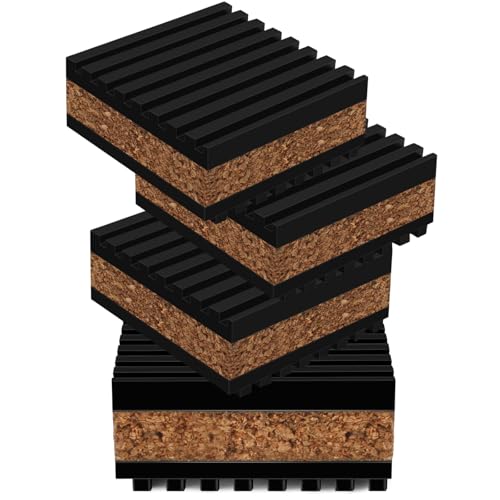
【Powerful Isolation】 Acoustic-grade materials deliver powerful vibration damping and noise reduction isolating desktop and floor resonance interference Significantly reduces noise and distortion to preserve the authentic sound quality of vinyl records

ELEVATE YOUR TURNTABLE'S PERFORMANCE. Tuneful Cables Cork Isolation Pads for Turntables absorb unwanted vibrations so your turntable can focus on retrieving all of the music that’s in your record’s grooves.
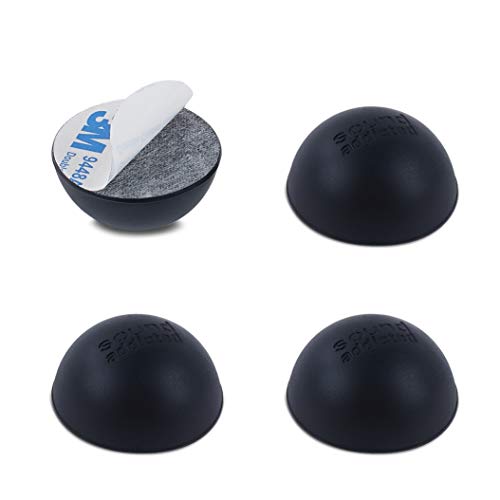
Enhance the Sound of Your Stereo Equipment: These silicone isolation feet have an extra-high durometer shore hardness of 35 for best vibration and resonance reduction.
Managing Sound Reflections

Sound reflections can considerably impact the listening experience during vinyl playback. Unwanted echoes and reverberations can distort the sound of your vinyl record. To manage this, consider using acoustic panels. Strategically placing these panels around your listening area soaks up excess sound and reduces surface noise. Additionally, monitor the positioning of your speakers and seating. Try to avoid placing speakers too close to reflective surfaces, like walls. Experiment with your room layout to discover prime spots for a richer audio experience. Adjustable features found in isolation products allow optimal setup for individual preferences, enhancing sound clarity. Test different arrangements until you find the arrangement that emphasizes clarity. With careful placement and thoughtful adjustments, listeners can achieve a more immersive sound experience while enjoying their favorite vinyl titles.
Recommended Products

Exceptional Sound Absorption:These pyramid acoustic panels are engineered to effectively absorb sound waves, reducing echo and reverberation. With a high NRC (Noise Reduction Coefficient), they create a quieter, more acoustically balanced environment, ideal for recording studios, home theaters, and offices.

Modern and Elegant Design - The wood slat wall panels have been carefully designed to effortlessly transform any space, enhancing the surroundings both visually and acoustically. The wood panels help to create an environment that is not only quiet but beautifully contemporary, soothing and relaxing. Furthermore, our slat wall panels can be installed horizontally or vertically and cut to any shape allowing for creativity and a unique look to fit your aesthetics.

🔇 Effective Noise Reduction: Design for tranquility, our wall soundproof foam panels are engineered with an exceptional NRC coefficient surpassing 0.95, they excel at absorbing diverse high and low-frequency noises, from bustling traffic to household chatter and blaring music. As you combine more panels, the noise gets weaker.
Phase Alignment and Its Impact

Phase alignment is a crucial factor in getting the best sound from vinyl records. When sound waves are in phase, they combine to produce a richer sound. However, poor room acoustics can disrupt this alignment, muddying your vinyl playback. Reflections from walls create complex sound pathways, leading to phase misalignment and reduced clarity. In a recording studio, multiple microphones can also introduce phase issues if not properly aligned. To improve this, proper acoustic treatment is essential. Using absorbers and diffusers can help manage phase relationships within your space. This treatment drastically enhances the playback quality of vinyl records, making your listening experience much more enjoyable. Remember, a well-balanced sound is often a well-aligned sound.
Recommended Products
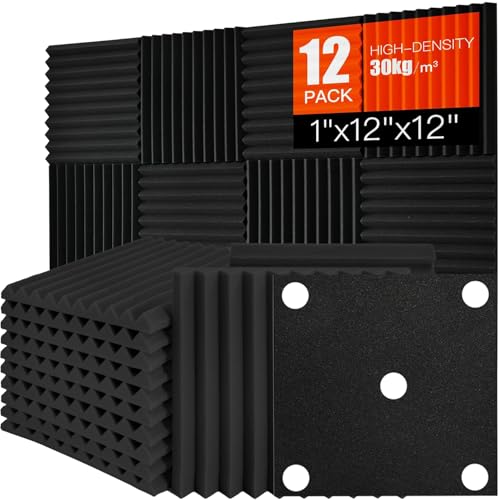
Professional Sound Absorption for Studios and Podcast Spaces - High-density acoustic foam panels and sound absorbing panels are designed to manage reflections and reduce echo in studios, podcast rooms, vocal booths, and YouTube content creation spaces, delivering clearer and more controlled audio without structural soundproofing.

Superior Sound Absorption: Crafted with high-density polyester UV print material, these acoustic wall panels deliver exceptional soundproofing. Effectively reduce echoes, reverberation, and low-frequency noise, creating clearer, more immersive sound environments

𝟯𝗗 𝗪𝗼𝗼𝗱 𝗣𝗮𝗻𝗲𝗹 𝗧𝗲𝘅𝘁𝘂𝗿𝗲𝗱 𝗙𝗶𝗻𝗶𝘀𝗵: Combining wood-grain printing with a raised-groove finish, these wall decals preserve the authentic texture and feel of real wood while adding a modern design aesthetic. The unique 3D lattice design creates a three-dimensional texture on walls, adding a warm and sophisticated ambiance to walls, ceilings, or furniture
Tips for Optimizing Playback Environment

Even though setting up a playback environment can seem intimidating, small changes can lead to significant improvements in sound quality. First, consider proper speaker placement. Arrange your speakers and listening position in an equilateral triangle for balanced audio. Next, think about your room acoustics. Avoid placing speakers too close to walls or corners, as this can cause unwanted reflections. To enhance sound quality, use acoustic treatments like foam panels or bass traps to absorb excess sound. Remember, larger rooms may need more absorption, while smaller spaces can benefit from soft furnishings, like carpets and curtains, to reduce echoes. Additionally, consider the use of a phono preamp to enhance sound quality, ensuring optimal audio output from your vinyl setup. Following these tips will help guarantee high-quality vinyl playback and any good sound in your space.
Recommended Products

【Removable Panels】- The Fiberglass acoustic panels come with mental template and nails for you to hang in the ceiling or wall, it will be much stable, No worry about falling off. Besides It's removable .

Sound-Absorbing Principle: High-quality polyester fiber material and porous structure capture and absorb air vibrations in sound waves;reduce sound reflection and echo;improve sound clarity and purity;install as a whole for higher noise reduction
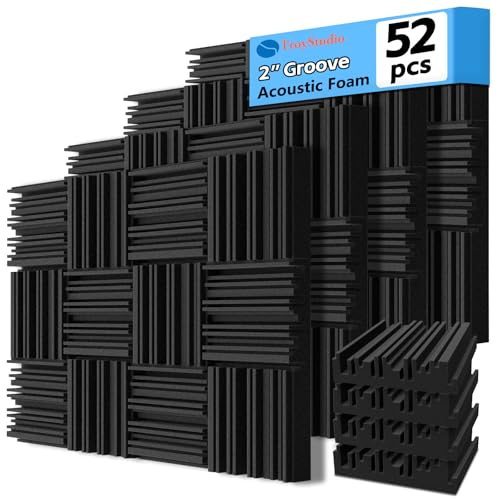
【SPECIFICATIONS】: Size - 12 X 12 X 2 inches, pack of 52; Coverage - 52 square feet; Weight - 0.12 lbs per panel; Material - Thick and high density polyurethane; Design - Periodic groove structure enhances both functionality and aesthetics
Frequently Asked Questions
What Is the 38% Rule Room Acoustics?
The 38% rule in room acoustics recommends positioning the listening position at 38% of the room length to optimize speaker placement, improve frequency response, enhance sound diffusion, and inform effective acoustic treatment based on room dimensions.
What Is the Golden Rule of Acoustics?
The Golden Rule of Acoustics states that ideal sound requires managing sound reflection and placement. Proper acoustic treatment enhances frequency response, ensuring clarity in vinyl setups, particularly concerning listening position and speaker placement for superior audio quality.
What Causes Crackling When Playing Vinyl?
Crackling during vinyl playback stems from surface noise due to dust buildup, poor record condition, stylus wear, improper turntable isolation, and inadequate speaker placement, all contributing to compromised sound quality and playback fidelity.
How Does Room Size Affect Sound?
Room size acts like a canvas, shaping sound’s artistry. Larger dimensions enhance audio clarity by promoting balanced sound reflections, while careful speaker placement and acoustic treatments optimize listening zones, harmonizing room dimensions to elevate the auditory experience.