As an Amazon Associate, we earn from qualifying purchases. Some links on this site are affiliate links at no extra cost to you. Our recommendations are based on thorough research and editorial judgment.


Understanding Vinyl Grading Conditions

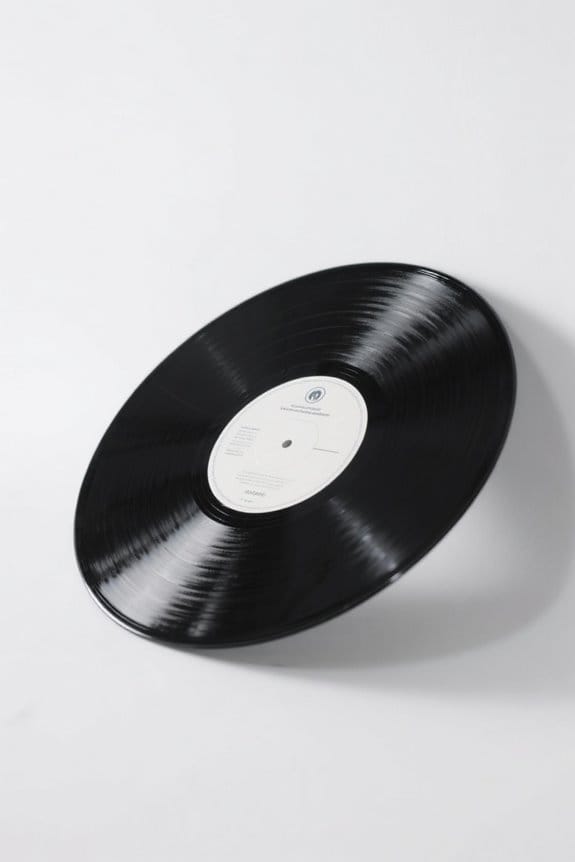
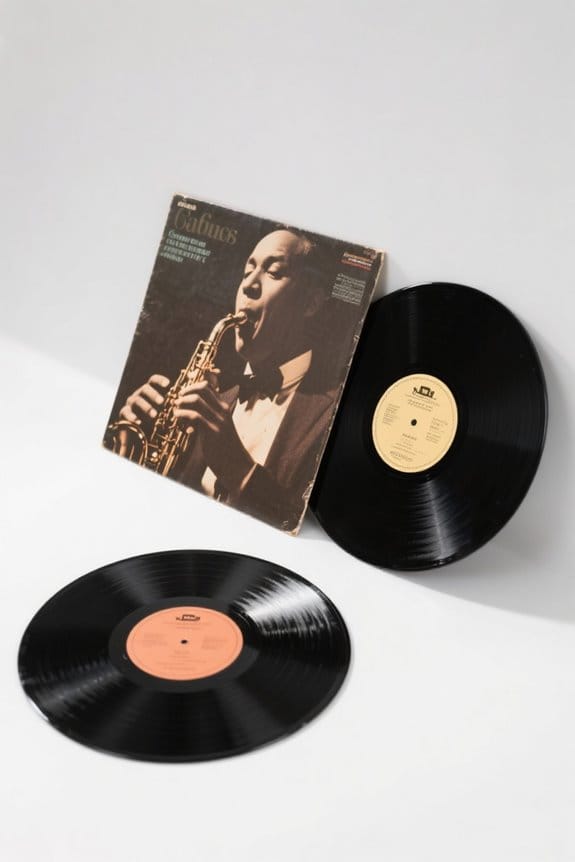
Understanding vinyl grading conditions is essential for collectors and listeners alike. The grading scale ranges from Mint (M) to Poor (P). Mint records are perfect, while Near Mint (NM) shows minimal wear. Very Good Plus (VG+) records have light marks but still play well. Inspect both the vinyl and sleeve for signs of wear, such as scratches or fraying edges. Proper storage and care can help maintain their quality. Explore more detailed insights to enhance your collection.
Key Takeaways
- Vinyl grading ranges from Mint (M) to Poor (P), indicating varying conditions that affect playability and value.
- Near Mint (NM) records are nearly perfect, while Very Good Plus (VG+) records show minor wear but still play well.
- Key factors impacting sound quality include scratches, scuffs, and surface imperfections, which can introduce noise during playback.
- Proper storage includes keeping records vertically and using protective outer sleeves to prevent damage and preserve condition.
- Familiarity with grading standards like the Goldmine Standard enhances trust in transactions and ensures informed purchasing decisions.
The Importance of Vinyl Grading
You may be interested


Vinyl grading is a crucial aspect of the record-collecting experience. Understanding how to grade vinyl helps collectors assess the overall value and condition of records. The grading process ranges from Mint (M) to Good Plus (VG+), indicating varying degrees of wear and playback quality. A record in Mint condition offers the best audio experience, while a VG+ rating means the condition can be played but may have minor imperfections. Knowing these distinctions is essential, as they guide purchasing decisions. Additionally, proper storage and care can help maintain a record’s condition. This understanding fosters trust within the vinyl community and promotes informed choices, enhancing everyone’s enjoyment of this timeless medium. When selecting used vinyl records, it’s important to consider albums from notable and influential artists to ensure both historical significance and future resale value.
Overview of the Grading Scale

Understanding how to evaluate vinyl records leads to the important topic of the grading scale used in the industry. The Vinyl Grading System ranges from Mint (M), representing perfect condition, to Poor (P), which denotes unplayable records. A Near Mint (NM) grade signifies high quality, with very minimal signs of wear, making it suitable for collectors. Very Good (VG) records may show some noticeable wear and surface noise but remain playable. Good (G) records still play but exhibit significant scratches and surface noise, which can be less appealing. Collectors often refer to grading standards like the Goldmine Standard to determine visual and auditory conditions and assess market value. Ferrite insulation is a key component in reducing noise interference, enhancing the listening experience for audiophiles. Understanding these grades helps buyers make informed choices when adding to their collection.
Recommended Products


Mint (M) Condition
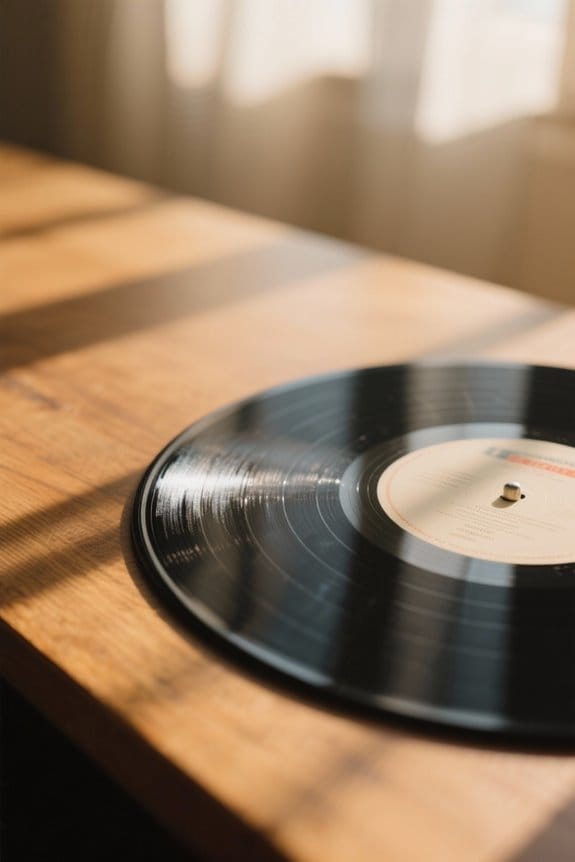
When exploring the world of record collecting, Mint (M) condition serves as the gold standard. This designation indicates that vinyl records are in perfect condition, often still sealed in their original packaging. When a record is graded as Mint (M), it means the vinyl is flawless, showing no signs of wear or cosmetic defects. Both the cover and the record must look brand new. Collectors treasure Mint (M) records for their rarity and pristine quality, making them excellent investment pieces. It’s crucial to use the Mint (M) grading sparingly, as it represents the highest standard in the vinyl grading system. This guarantees that the playback experience remains completely free of audio disturbances, pleasing any music lover. Investing in premium sleeves made from polypropylene or polyethylene can help maintain a record’s Mint (M) condition by protecting against dust and scratches.
Recommended Products

Clear OPP Record Sleeves: High quality clear protective sleeves designed for 12 inch LP vinyl records - ideal for keeping album covers clean and free from wear.
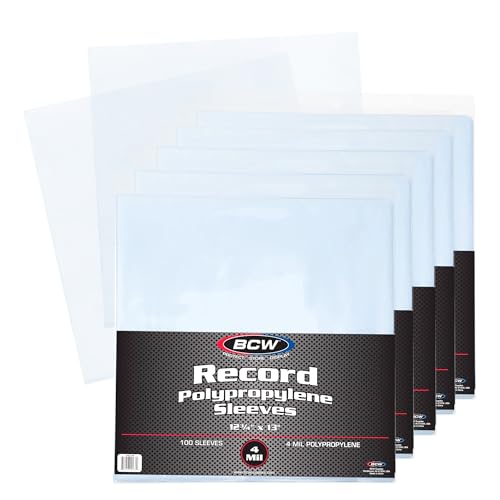
Blue-Tinted, High-Clarity Protection: These blue-tinted plastic album covers for vinyl records use high-clarity polypropylene that stays transparent, providing durable 4 mil protection against fading, dust, and shelf wear without hiding artwork, distorting colors, or reducing readability.

Great for storing/protecting 33 1/3 Record Albums
Near Mint (NM or M-) Condition

In the domain of record collecting, Near Mint (NM or M-) condition stands just below the mint standard but still represents an exceptional quality. Records in this condition are typically nearly perfect, often appearing unplayed. Inspect the vinyl closely; it should be glossy with no obvious signs of wear, such as scratches. Look for clarity in groove detail, which is vital for sound quality. The LP cover must be free of creases or folds, maintaining a visually appealing display for collectors. If inserts are included, check that they are also in excellent condition. Near Mint records hold significant value, usually fetching higher prices than records in very good plus condition, making them a worthy investment for any collector. Many collectors use modular storage units to organize and protect their Near Mint records, ensuring long-lasting accessibility and preservation.
Recommended Products

PREMIUM MATERIAL HOLDS MORE—Our vinyl cart is built in durable carbon structural solid steel material which provides strong stability for the cart. The vinyl roll storage cart can secure the vinyl rolls and prevent them from being damaged by squeezing or bumping. It has a maximum weight capacity of 1200lbs.

Sturdy Material: The storage stand uses rugged premium metal frame and high-quality MDF board, which is a long-lasting and reliable use.

Size 40.9 * 11.81 * 41.33 inch The record storage stand is not only functional, but also stylish, making it the ideal addition to any living room or bedroom. The compact size allows for easy storage and transport, making it a great choice for those who love to take their collection on the go.
Very Good Plus (VG+) Condition

Very Good Plus (VG+) condition records serve as a reliable choice for both seasoned collectors and those new to vinyl. These records typically show minor signs of wear, such as light surface marks, but play without noticeable background noise. For a good listening experience, check audio quality; VG+ records maintain their clarity. Conduct a visual inspection to verify surfaces are clean and imperfections are minimal, which helps with playability. While LP covers may exhibit slight wear, the artwork should still be clear with no significant creases. VG+ items are usually valued at roughly 50-75% of the Near Mint (NM) price, making them a budget-friendly option for collectors looking for quality without breaking the bank. Regular maintenance with alcohol-free and non-toxic cleaning solutions can help preserve these records’ quality, preventing potential damage and ensuring longevity.
Recommended Products
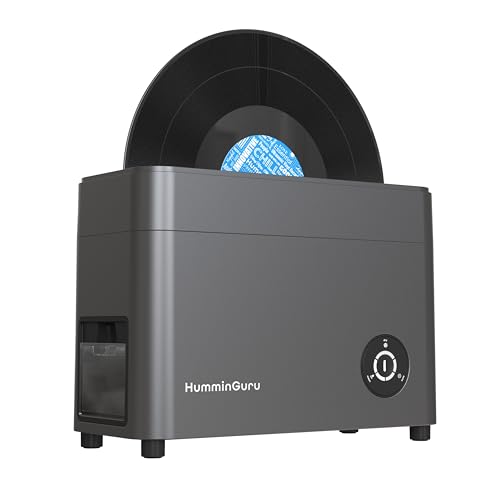
Audiophile-Safe 40kHz Ultrasonic Vinyl Record Cleaner: Engineered with dual transducers and a single-unit closed-loop stainless steel basin for maximum energy efficiency. With a precisely calibrated ratio of power, frequency, and 10mm proximity distance, it ensures maximum deep-groove dirt removal with zero risk of record damage. Acclaimed by leading audio publications and trusted by thousands of vinyl collectors worldwide, it delivers safe, contactless lp cleaning for long-term record preservation.

Effortless & Quite Dual-Sided Deep Cleaning: Clean both sides of your vinyl records simultaneously with ease. The vinyl record cleaner operates without power or complex installation, offering a quieter alternative to motorized vacuum systems, perfect for home record cleaning.

Safety Guard: This 6.5l ultrasonic vinyl cleaner has a double fuse system to prevent circuit overload and overheating, which can effectively avoid damage caused by improper use
Very Good (VG) Condition
Collectors should consider that Very Good (VG) condition records offer a practical option for those who value affordability over perfection. These records typically maintain about 25% of the value of their Near Mint (NM) counterparts. VG records show significant signs of use, such as light scratches and visible wear on the cover. While they may have noticeable surface noise, especially during soft passages, they remain playable for listening enjoyment. Visual grading reveals possible split edges, ring wear, or creasing on covers. Despite these imperfections, VG condition records can be appealing for their nostalgic or artistic value. For those on a budget, embracing VG vinyl can be a smart choice without sacrificing listening fun. Moreover, collectors interested in fully automatic turntables should remember that sound quality significantly impacts the vinyl listening experience, emphasizing the importance of choosing the right equipment.
Recommended Products

![After Hours (Deluxe Video Album) [Explicit]](https://m.media-amazon.com/images/I/31bVmzsKL0L._SL500_.jpg)
Good (G) and Good Plus (G+) Condition
When exploring vinyl records, understanding condition grades can be enlightening. Records graded as Good (G) show significant signs of wear, featuring many visible scratches. While they are still playable, these records often create noticeable audio distortions. Meanwhile, records in Good Plus (G+) condition may also have scratches but generally play without skipping. These records add casual charm to a collection, as they provide usability without breaking the bank. Expect both G and G+ records to represent about 10-20% of their Near Mint (NM) counterparts. Many collectors appreciate them for everyday listening. Despite their worn appearance, these grades cater to budget-minded enthusiasts looking to fill out their vinyl libraries without sacrificing enjoyment. For those seeking to enhance their listening experience, incorporating cork mats can reduce unwanted vibrations and improve sound quality during playback.
Poor (P) and Fair (F) Condition
Vinyl records in Poor (P) and Fair (F) condition usually look distressed and have seen better days. These records exhibit major noise issues, including skipping or repeating playback, rendering them largely unplayable. Significant wear is evident, characterized by deep scratches and severe warping. While Fair condition records may still play, heavy noise will dominate the experience, often making them suitable only for background listening. Both conditions show extensive damage, such as heavy seam splits or cracks that detract from functionality. Despite their poor quality, some collectors still seek these records for their rarity or historical significance. If you encounter these records, be prepared to assess their value beyond mere playability. Using a turntable platform can help improve the sound quality of records in poor condition by isolating vibrations and reducing unwanted noise.
Evaluating Sleeve Condition
Evaluating sleeve condition is essential for determining a record’s overall quality and appeal. Start by examining for signs of wear, such as fraying edges or split seams. These defects can impact the graded vinyl considerably. Pay close attention to ring wear, a sign of improper storage that can lower aesthetic value. Look for any writing, stickers, or markings; these can diminish the collectible value, especially in higher grades. Assess the clarity of the spine text as well. A clear spine enhances identification and visual appeal. Generally, an unblemished sleeve with no considerable defects earns a higher grade, like Near Mint (NM) or Very Good Plus (VG+). In addition to the sleeve’s condition, consider using durable materials like high-density polyethylene for record dividers to protect the vinyl from damage and enhance the overall organization of your collection. Keep these factors in mind for smart collecting decisions.
Factors Affecting Sound Quality
Sound quality is greatly influenced by several key factors that every vinyl collector should understand. Scratches, scuffs, and visible groove wear introduce light pops and clicks, which can dramatically affect playback. These surface imperfections create unwanted noise, especially during softer passages. Slight warping might still allow for good playback, while severe warps can make a record unplayable. Ensuring the record surface is clean is essential; dust and debris lead to audio degradation and increased noise levels. Additionally, the condition of spindle holes and labels reflects overall care. Light visible scratches may not seem significant but can impact sound quality. For the best listening experience, assess your records carefully and prioritize their condition. Regular cleaning frequency prevents buildup of dust and grime, ensuring the longevity and sound quality of your vinyl records.
Best Practices for Preservation
When it comes to preserving vinyl records, proper storage techniques are essential for maintaining their quality over time. Always store records vertically to prevent warping and guarantee good air circulation. Avoid stacking, as this can create pressure damage and obvious signs of wear, like seam splits. Use protective outer sleeves made of acid-free materials to preserve sleeve condition and shield against dust and scratches. Regularly clean records with a soft microfiber cloth to remove fingerprints and grime, guaranteeing they remain playable. Maintain a consistent environment at 65-70 degrees Fahrenheit with low humidity to prevent mold growth. Avoid exposure to direct sunlight, as light damages both sound quality and collectible value, fading cover artwork and deteriorating the vinyl.
Insights for Collectors
Collectors should familiarize themselves with vinyl grading to make informed purchasing decisions. Understanding vinyl grades helps assess records’ condition. For example, Near Mint (NM) has minimal handling signs and is ideal for collectors. Very Good Plus (VG+) records may have light marks but still play well, often without skipping. They provide a balance of quality and cost, making them attractive. Pay attention to surface noise introduced by scratches, as they impact your listening experience. Also, consider sleeve condition, as it affects overall value. Sticking to the Goldmine Standard guarantees reliable grading. This way, collectors can confidently navigate the market, helping them make informed decisions about which records to add to their collection.
Frequently Asked Questions
What Is the Vinyl Condition Grading System?
The vinyl condition grading system utilizes terms like Mint, Near Mint, and Very Good to categorize records. This grading scale’s importance lies in its impact on value, guiding collectors’ preferences through visual inspection insights.
What Does 16 33 45 and 78 Mean?
The turntable speeds of 16, 33, 45, and 78 represent various vinyl formats, each sculpting unique audio quality. This rhythm dictates genres, while needle types glide across records, nurturing a cherished collection of musical stories.
What Is the Difference Between Grade a and Grade B Vinyl?
Grade A features pristine sound quality and visual appeal, making them highly collectible and commanding greater market value. Conversely, Grade B imperfections introduce some background noise, appealing mainly to casual listeners and budget-conscious collectors.
What Does Vg+ Condition Mean?
VG+ condition signifies a record with charming quirks like vinyl surface scratches, reflecting the grading nuances explained. This grade enhances the listening experience while balancing collectors’ preferences, maintenance best practices, and historical grading evolution.