As an Amazon Associate, we earn from qualifying purchases. Some links on this site are affiliate links at no extra cost to you. Our recommendations are based on thorough research and editorial judgment.

How Record Label Design Evolved Over Decades

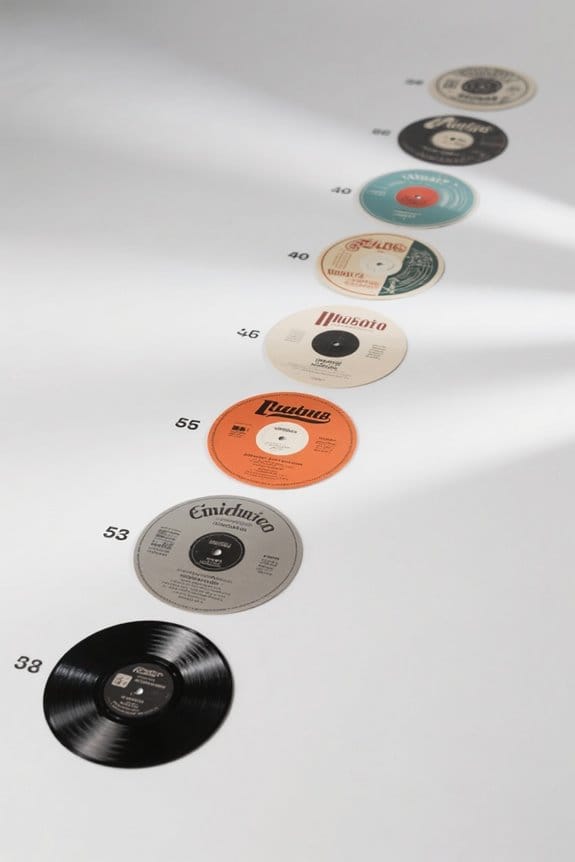
Record label design has evolved notably over the decades. Initially, designs focused on practical information with simple text. As vinyl records became popular, album artwork became more vibrant and artistic—especially in the 1960s. Music genres influenced design choices, from colors to styles. Today, minimalist designs and sustainability are trending due to digital media. Labels engage with audiences through strong branding and innovative visuals. This evolution reflects changes in technology and consumer preferences, revealing more layers to explore.
Key Takeaways
- Early record labels prioritized practical information and simple text, focusing less on aesthetics in the late 1800s.
- The 1920s saw the introduction of distinct logos and artwork coinciding with the emergence of 10-inch discs.
- The 1960s marked a creative turning point, with vibrant designs influenced by music genres and iconic albums like The Beatles’ “Sgt. Pepper’s”.
- As digital music gained prominence in the 21st century, branding shifted to online visuals and social media, alongside a vinyl resurgence.
- Current trends emphasize minimalism, sustainability, and nostalgia in design, adapting to technological advancements and consumer preferences.
The Origins of Record Label Design

You may be interested


The origins of record label design can be traced back over 100 years to the late 1800s. During this time, early record labels like Edison Records and Columbia Records emerged to formalize the music industry. Initially, these labels prioritized practical information over aesthetics, using simple text on wax cylinders to identify recordings. As the 1920s came along, record labels started adopting more distinct logos and artwork with the introduction of 10-inch discs. This change enhanced branding and helped consumers locate their favorite labels. In the 1950s and 1960s, major labels like Motown and Atlantic used bold colors and creative design to stand out. As digital music grew in the 21st century, branding shifted to include online visuals and social media relevance. Anti-skating weights in turntables help preserve the integrity of physical records, which benefited the longevity of the music medium as the industry evolved.
The Transition to Vinyl Artwork

Shifting to vinyl artwork marked a significant change in how music was presented to the public. Beginning in the late 1940s, the 12-inch vinyl LP allowed for larger album artwork. This shift became even more vibrant with full-color printing in the 1960s, leading to striking designs like The Beatles’ “Sgt. Pepper’s Lonely Hearts Club Band.” By the 1970s, record labels recognized album artwork as a powerful marketing tool, often collaborating with artists for memorable covers. In the 21st century, vinyl’s resurgence has placed added emphasis on creative designs and high-quality packaging. Labels target collectors and audiophiles, turning album artwork into an essential aspect of the music listening experience. Vinyl record frames serve as stylish home decor pieces that complement these creative designs and protect them from damage.
Recommended Products

【 Sophisticated Design 】– Features elegant fluted doors, a hands-free pop-up mechanism, and a sleek right-angle tabletop for a modern yet timeless look. The refined grooves play with light, create dynamic light and shadow, adding visual intrigue throughout the day. More than just a bookshelf—it’s a functional work of art that elevates any space

SIZE: 60" W x 40" H x 1.25" D. Orientation of canvas is horizontal.

Premium Record Album Frame Design: Showcase your favorite 12" Album with this professional-grade record album frame. Designed for 12" record album sleeve, it features solid wood frame, creating a clean, gallery-style vinyl wall display that complements any décor while protecting your treasured vinyl records frame.
The Impact of Music Genres on Design

While the connection between music genres and design might not be immediately obvious, it plays an essential role in shaping how albums are visually presented. Each genre influences the design elements used by record companies. For example, Motown’s vibrant designs in the 1960s reflected soul’s energy. Punk music later inspired labels like Stiff Records to use DIY aesthetics with bold typography. Heavy metal saw dark, aggressive imagery, as exemplified by Iron Maiden. The digital revolution brought minimalist styles that better suited online platforms. Hip-hop, on the other hand, embraced urban street art, with labels like Def Jam using dynamic visuals. Understanding these connections helps in appreciating how music genres shape album design through time. To ensure exceptional audio and video quality, AudioQuest cables focus on utilizing advanced materials and technology.
The Role of Branding in Record Label Identity

Creating a strong brand identity can greatly impact a record label’s success. Branding helps record labels stand out in a crowded market. Major and independent labels alike must develop distinct visual styles, from logos to album art. These visuals play a key role in artist development and attract fans. Labels should create cohesive marketing strategies that use social media and streaming services effectively. Maintaining consistency in these platforms fosters stronger engagement with both artists and audiences. Strong branding reflects a label’s music ethos, creating a deep connection with its target demographic. This connection builds a loyal fan base that resonates with the label’s core values. In short, effective branding is essential for a record label’s identity and growth. Additionally, corner stands maximize space in tight areas, providing stylish storage for record players and vinyl collections, which can enhance the overall music experience and aesthetic appeal.
Recommended Products

FARMHOUSE CHIC - Elevate your room with this expansive tv stand with fireplace, crafted from durable engineered wood (MDF/particleboard)

[MAXIMIZE YOUR TIGHT CORNERS] Standing at an impressive 79.7" tall and only 19.7" wide, this tall narrow bookshelf is the ultimate space-saving solution. Perfect for narrow small spaces of apartments, home offices, it transforms empty living room corners into a functional 9-tier storage organizer

Stereo Rack Stacked Audio-Visual Equipment Rack: This media console cabinet is expertly designed to accommodate and organize your audio-visual equipment in a stacked arrangement. The spacious multi-layered design ensures each device has its dedicated space, enhancing both functionality and aesthetics. Perfect for home theaters, living rooms, and entertainment areas, it maximizes your space while providing easy access to all your electronics
Digital Media Revolution and Minimalist Trends

As the digital media revolution unfolds, record labels have adapted their design strategies to meet new demands. With fewer physical formats, minimalism has become essential in artwork and branding. This approach makes designs visually striking, especially for digital platforms and streaming services. When creating labels, focus on immediate visual impact. Use bold typography and simplified graphics to stand out in crowded digital marketplaces. It is important for brand identities to be versatile, ensuring recognition across various contexts. Research shows that minimalist designs often engage audiences better online. Consider cohesion in your packaging across different digital formats to enhance clarity. Adopting these strategies will help record labels resonate effectively in today’s fast-paced music industry. Moreover, incorporating features like automatic tonearm lifters can enhance the listening experience and preserve the quality of vinyl records, aligning with the minimalist trend in design and functionality.
Recommended Products

Unique Curved Design: Compared with a traditional square bookcase, this 49.6 inch 8 cube book shelf features smooth curved dividers and a warm walnut finish, adding a refined, furniture-like touch that elevates your living room, bedroom, or home office

Stylish Curved 8-Cubby Vinyl & Media Storage: Upgrade your music corner with a distinctive curved shelving unit, different from ordinary square storage cabinets. Open cubbies neatly organize 7” 45 RPM singles, 10” EPs, books, CDs, décor and more. Optimized for small-size vinyl records that fit fully inside without front overhang for tidy display & easy browsing

PROTECTION: High-quality white paper sleeves designed specifically to protect and preserve 7-inch vinyl LP records from dust and static
Innovative Visuals and Immersive Experiences
Innovative visuals play an essential role in modern record labels, especially when they want to capture audience attention. Labels now focus on creating striking album art and branding that resonates with fans. They often collaborate with graphic designers to produce memorable imagery. To enhance fan engagement, immersive experiences using augmented reality (AR) and virtual reality (VR) are becoming common during live events and album launches. Creative marketing campaigns link visual storytelling across music videos and social media, ensuring a cohesive narrative. Labels also sell themed merchandise, like vinyl records with eye-catching designs. Additionally, data analytics guide design choices by revealing audience preferences, helping labels tailor visuals and album artwork that truly connect with fans, making each interaction more meaningful. Durable materials like MDF and metal are often used in the creation of record shelving units, ensuring longevity and functionality for music enthusiasts.
The Influence of Social Media on Design Choices
Although social media might seem like just a platform for sharing photos and videos, it has profoundly influenced design choices in the music industry. Record labels now focus on producing visually engaging artwork that speaks to younger audiences. By creating shareable content, they use bold colors and eye-catching graphics. This strategy enhances album covers and can increase online visibility. Labels also follow social media trends, adopting popular filters and memes. This results in dynamic promotional materials that fit digital aesthetics. The rise of “snackable” content encourages minimalist designs, making it easy to consume and share. Additionally, analyzing audience interactions on social media helps shape branding and design strategies, ensuring promotional efforts resonate with fans effectively. To protect these visually stunning designs, many collectors use acid-free materials in their record sleeves, which prevent damage and discoloration over time.
Recommended Products

Protect Collectible 33 1/3 Records
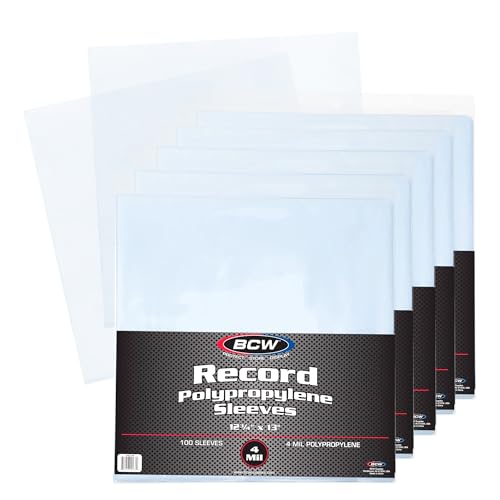
Blue-Tinted, High-Clarity Protection: These blue-tinted plastic album covers for vinyl records use high-clarity polypropylene that stays transparent, providing durable 4 mil protection against fading, dust, and shelf wear without hiding artwork, distorting colors, or reducing readability.

DESIGN- Our simple fit inserts allow easy DIY | Holds 10.5x10.5-inch record album cover and 9 7/8 Diameter LP Vinyl in a jukebox style display
Sustainability in Modern Record Label Design
Sustainability in modern record label design is becoming increasingly important. Many labels are now using eco-friendly materials for packaging, like recycled paper and biodegradable plastics. This change helps reduce environmental impact. With the rise of digital distribution, labels produce fewer physical products, which minimizes waste. Some innovations even include seed-infused packaging, allowing customers to grow plants instead of discarding packaging. To further enhance their sustainability efforts, many labels invest in carbon offsetting initiatives such as renewable energy projects. This helps balance their carbon footprints from production and logistics. Additionally, collaborating with local artists for limited-edition eco-friendly releases fosters community engagement, showcasing a commitment to both the environment and local culture. Simple steps like these make a difference. Synthesizers played a pivotal role in the evolution of electronic dance music, influencing how record labels approach artist promotion and music production.
Recommended Products

High tensile strength, good adhesion on different types of cardboard

Time recording sheets with removable pressure sensitive labels

Durable Laminated Construction – Seven-layer design resists water, grease, grime, fading, and abrasion
Future Trends in Record Label Aesthetics
As the importance of eco-friendly practices grows, record labels are shifting their focus to the aesthetics of their branding. Future trends indicate a blend of minimalistic designs that stand out on digital platforms, offering quick recognition in crowded spaces. Brands are also embracing collaboration with visual artists, resulting in bold, diverse aesthetics. Interactive elements are key; these engage tech-savvy audiences, combining audio with visual experiences. Additionally, vintage-inspired designs are making a comeback, appealing to both nostalgic listeners and younger fans. Sustainability remains critical, with many labels adopting eco-friendly packaging. This alignment with consumer ethics enhances their branding and guarantees they remain relevant. Room acoustics can significantly enhance the overall experience of listening to vinyl records, and this has influenced some record labels to also focus on the quality of the physical spaces where vinyl is enjoyed. Ultimately, these trends promise an exciting evolution in record label aesthetics in the years to come.
Frequently Asked Questions
How Have Record Labels Changed?
Record labels have transformed through branding evolution, embracing digital transformation to enhance visual identity and artist representation. This shift influences marketing strategies, emphasizing innovative album artwork that resonates with evolving audience preferences and independent artist ambitions.
What Is the 35 Year Rule in Music?
The 35-year rule allows artists to reclaim rights to vintage albums, reflecting significant cultural shifts. This music era empowers creators amid evolving industry trends, fostering nostalgic connections while steering through complex legal nuances for ownership restoration.
What Is the History of Record Labels?
The history of record labels reflects early recordings’ evolution, incorporating vinyl packaging and innovative marketing strategies. They shaped artist representation while embracing global influence and technological advancements, ultimately redefined by independent labels in the digital age.
How Has the Relationship Between Artists and Record Labels Evolved With the Rise of on Demand Streaming?
As artist independence surged, 70% of musicians now favor distribution deals. This shift emphasizes streaming royalties, allowing creative control while enhancing digital marketing strategies and fan engagement, consequently transforming label negotiations and traditional hierarchies in the music industry.


