As an Amazon Associate, we earn from qualifying purchases. Some links on this site are affiliate links at no extra cost to you. Our recommendations are based on thorough research and editorial judgment.


Regional Pressing Plant Histories Around the World

Regional vinyl pressing plants have fascinating histories that showcase the evolution of record production. Many started as small facilities but grew to accommodate rising demand. The change from shellac to vinyl occurred in the 1940s, sparking innovation. Today, plants like Record Industry in the Netherlands focus on sustainable methods, while independent producers thrive globally. Each region contributes unique sounds due to local preferences. That’s just the tip of the vinyl iceberg, so keep exploring for more insights!
Key Takeaways
- Regional vinyl pressing plants have experienced significant growth, doubling in number since 2015 to meet consumer demand for physical music formats.
- The historical development of pressing plants varies by region, with iconic facilities like RCA Victor and United Record Pressing shaping local music scenes.
- Innovations such as microgroove technology and direct metal mastering have localized impacts on production quality and techniques, enhancing the listener’s experience.
- Countries like the Netherlands have preserved traditional methods while leading in sustainable practices, contributing to unique regional sound characteristics.
- Localized consumer preferences and regional markets influence the evolution of pressing plants and motivate collaborations among businesses in the music supply chain.
The Evolution of Vinyl Pressing Plants

You may be interested



When exploring the evolution of vinyl pressing plants, it is crucial to understand their transformation over the decades. Originally, these plants shifted from shellac records to vinyl in the 1940s, driven by the introduction of microgroove technology. This innovation greatly impacted the vinyl record manufacturing industry. During the peak years of the 1970s and 1980s, plants like Artone produced up to 50 million records annually. However, a decline followed, only for a vinyl revival to emerge in 2007. By 2020, the number of US vinyl pressing plants nearly doubled. Today, modern facilities, such as Third Man Pressing, combine vintage methods with new technologies to meet the rising demand, while sustainability initiatives are becoming increasingly important to guarantee environmental responsibility. An example of a modern innovation in vinyl care is the use of ultrasonic vinyl cleaning machines, which efficiently clean multiple records at once.
Iconic Pressing Facilities in the United States

Iconic pressing facilities in the United States have played a fundamental role in shaping the music industry. United Record Pressing, established in Nashville in the 1940s, produces high-quality vinyl records and has embraced modern technology. In Camden, New Jersey, RCA Victor’s plant was critical during the mid-20th century, boosting production capabilities. The Capitol Records Tower in Hollywood remains a historic landmark, producing millions of records, including legendary albums. Meanwhile, Third Man Records in Detroit, founded by Jack White, blends vintage techniques with new technology, appealing to independent artists. Each of these record pressing plants has considerably influenced the vinyl revival, ensuring that music lovers continue to enjoy their favorite albums on vinyl. Durable materials like solid wood are often used in the construction of cabinets designed to store these treasured vinyl collections, highlighting the importance of long-lasting storage solutions.
Recommended Products
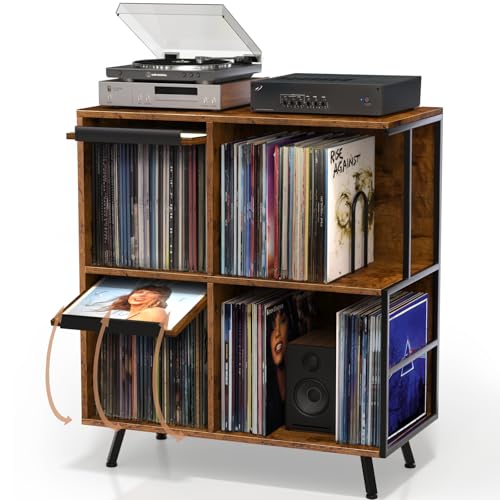
【Mid-Century Record Player Stand】This vinyl record stand features dual-side organization: 70-album enclosed storage (left) and 80-album open display (right) per tier. The 150-lb weight capacity desktop safely holds your turntable, speakers, and other heavy audio equipment. Dimensions: 31.5"W x 16.93"D x 35.5"H.

Spacious Top Surface Storage: This record player table features a generous top surface that easily accommodates various audio equipment, turntables, and playback devices, keeping your music setup tidy and organized. Additionally, vinyl record holder provides space for displaying decorative items such as music-related artwork, books, plants, or small ornaments, enhancing the personalized style of your home.

[Space-Saving Design & Large Capacity] The narrow and tall design of the record table can be placed in any corner, in any room type. This vintage style record player stand has 3 tiers and includes a table top that fits record players of all sizes. In addition, the 2nd tier and 3nd tier storage rack holds up to 200 records, providing a categorized storage solution that combines artistry and practicality.
European Pressing Plants and Their Legacies

European pressing plants have legacy stories that markedly contribute to the global music scene. The Netherlands houses the largest vinyl pressing plant, originally founded as Artone in 1958. At its peak, it pressed 50 million records annually. Companies like PolyGram pioneered innovative vinyl techniques, pushing the industry forward. Meanwhile, Record Industry B.V. focuses on sustainable practices and high-quality sound in manufacturing. In Ireland, the record industry thrived in the 1960s with EMI and Carlton Productions, before a decline occurred. Thankfully, MLV revived vinyl production in 2014, emphasizing cultural heritage. They utilize original machinery to press records, including special colored vinyl editions. Aspiring enthusiasts can explore these plants to learn about vinyl’s significance in music history. Preventing Vinyl Record Warping is crucial for maintaining the longevity and sound quality of your collection, ensuring they remain in pristine condition.
Recommended Products

Maximum Transparency: Big Fudge offers the best way to exhibit your precious vinyl record collection with our crystal clear vinyl record sleeves. Made from high-density polypropylene, our sleeves are transparent and don’t cloud easily unlike industry standard sleeves that are made from polyethylene.

✅【 SUPERIOR QUALLITY RECORD PROTECTION】: Vinyl Record Sleeves to Get the Ultimate Protection for Your Precious Vinyl Albums: Collecting priceless vinyl records require not just your investment but your commitment. That's why you need the EVEO Vinyl Record Sleeves Outer. These superior quality plastic record sleeves help preserve each one of your vinyl record albums and protects them from the outside against dirt, dust, scratches, liquid stains & other elements that may ruin their condition

Vinyl Sleeves for Gatefold Records: The record outer sleeves feature openings at both ends for easy insertion of folded albums, allowing you to retrieve records directly, and easily for storing and displaying your precious albums;
The Role of Independent Vinyl Producers

How can independent vinyl producers shape music today? They serve a crucial function in today’s music scene. Independent vinyl producers, like Third Man Pressing and Gotta Groove Records, focus on bespoke vinyl productions that support local artists. This approach allows for greater creativity and customization. With the rise of vinyl record pressing, the number of U.S. pressing plants has doubled since 2015. Many of these facilities prioritize sustainability and celebrate artist collaborations, giving musicians more control over their work. Events like Record Store Day help promote unique releases and strengthen community ties. By providing quality alternatives to major labels, independent vinyl producers empower artists to revive their music and build lasting connections with fans. Additionally, some record players are designed with Bluetooth functionality, allowing for seamless streaming and enhancing the listening experience of these unique productions.
Recommended Products

VINTAGE LOOKING&GREAT IDEA OPTIONS - As a music player combined age and modern sense, A vintage and fashion style record player is a great idea for your loving family and friends at all festivals. No matter to awake a good time in memory, start an elementary musical education, or just prepare a birthday surprise

【Vintage Record Player】Bluetooth Input & AUX Audio input & RCA line-out & Headphone jack. 2 Built in stereo speakers,with Bluetooth wireless technology,elegantly listen to the music from your smart phone.Use Aux cable input to directly play the music. Or enjoy your time with headphone. For better or louder sound, connect external speaker via RCA cable.

NO STEREO SYSTEM OR EXTRA EQUIPMENT REQUIRED. Get it up and running in minutes. Retro looks combined with the convenience of modern technology make this record player a great value - ideal for beginners & vintage enthusiasts alike with bluetooth out technology
Technological Innovations in Vinyl Production

The landscape of vinyl production is evolving with numerous technological innovations. One significant advancement is microgroove technology, which began in the 1940s. This enhanced sound quality and playback time, making LP records popular. In modern pressing, electroplating creates metal stampers for accurate and consistent records. For beginners, think of these stampers as precise molds that shape sound. New software also streamlines operations, balancing tradition with efficiency. Direct metal mastering is another breakthrough; it allows for higher fidelity, meaning better sound reproduction. The Vinyl Factory utilizes original 1960s EMI machinery, showcasing a blend of historic methods and sustainable practises, like ISO14001 certification. With these technologies, each vinyl record produced today holds the promise of quality and craftsmanship. One of the standout features for aspiring DJs and audiophiles is the enhanced sound quality offered by direct drive turntables, which ensures precision and reliability.
Recommended Products

Experience the high-fidelity audio of vinyl

Experience the high-fidelity audio of vinyl.

Excellent sound design, just like the PLX-1000 the PLX-500 is built to produce a high-quality vinyl sound
The Impact of Vinyl Resurgence on Local Economies
Vinyl records are making a comeback, and this resurgence has positively impacted local economies. Since 2015, the number of US vinyl pressing plants has nearly doubled, creating jobs and boosting businesses in the music industry. With vinyl sales skyrocketing from less than $40 million in 2006 to $218 million in 2013, independent record shops have become essential community hubs. They attract customers both in-store and online, driving revenue. New plants, like Gold Rush Vinyl in Austin and Third Man Records in Detroit, have sparked economic growth and cultural tourism. Additionally, the collectability of records encourages spending on related merchandise, benefiting local artisans and enhancing the overall music scene. The rise in Bluetooth connectivity with record players has also contributed to the popularity of vinyl, making it easier for enthusiasts to enjoy their collections with modern conveniences. Overall, the vinyl resurgence is a win-win for local economies.
Future Prospects for Pressing Plants Worldwide
As demand for vinyl records continues to grow, pressing plants face both exciting opportunities and significant challenges. Since 2015, the number of U.S. vinyl pressing plants has nearly doubled. However, global production encounters supply chain issues, leading to delays of 10-12 weeks for finished records. This situation highlights the critical need for infrastructure development. Industry leaders, like Jack White, emphasize that major recording labels should invest in new facilities. Cities such as Nashville, Austin, and Detroit are expanding their pressing capabilities, showcasing regional growth trends. While the current vinyl revival is promising, concerns persist about the long-term sustainability of demand. Market fluctuations could impact production capacity and press availability, making strategic planning essential for pressing plants moving forward. In addition to these challenges, many pressing plants are considering adopting ultrasonic cleaning technology to ensure the pristine quality of their records.
Recommended Products
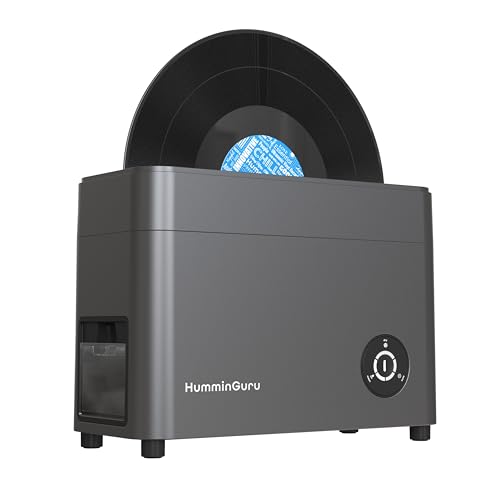
Audiophile-Safe 40kHz Ultrasonic Vinyl Record Cleaner: Engineered with dual transducers and a single-unit closed-loop stainless steel basin for maximum energy efficiency. With a precisely calibrated ratio of power, frequency, and 10mm proximity distance, it ensures maximum deep-groove dirt removal with zero risk of record damage. Acclaimed by leading audio publications and trusted by thousands of vinyl collectors worldwide, it delivers safe, contactless lp cleaning for long-term record preservation.
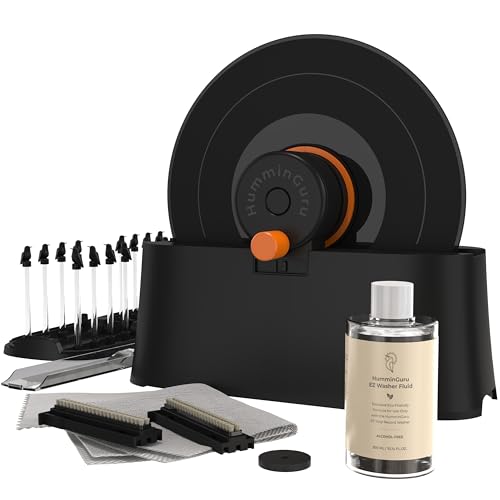
【Watertight Label-Protecting Clamp】: EZ record washer with the record patented clamp secures your vinyl record in seconds with a simple, straight-down press, ensuring zero handling damage. The record clamp interior is lined with a ring of soft, that creates a reliable waterproof seal to keep your record labels perfectly dry during wet cleaning. This innovative design has refined the way you secure your vinyl records from traditional manual washers.
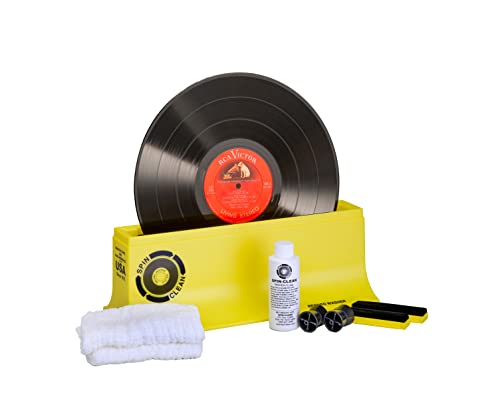
Effortless & Quite Dual-Sided Deep Cleaning: Clean both sides of your vinyl records simultaneously with ease. The vinyl record cleaner operates without power or complex installation, offering a quieter alternative to motorized vacuum systems, perfect for home record cleaning.
Frequently Asked Questions
How Do Pressing Plants Ensure Quality Control During Production?
Pressing plants, like meticulous chefs, sprinkle quality assurance methods liberally, ensuring production standards adherence. Pristine defect detection techniques, careful material sourcing practices, and vigorous employee training programs simmer together, producing the flawless product every time—or so they claim.
What Are the Environmental Impacts of Vinyl Production?
Vinyl production poses environmental impacts, including toxic emissions and high resource consumption. Sustainability practices, recycling efforts, and effective waste management are essential for minimizing these effects, promoting a more environmentally responsible approach in the industry.
How Long Does the Pressing Process Typically Take?
In the vinyl domain, pressing timelines dance gracefully between one to three hours. Temperature regulation, machinery maintenance, and batch sizes considerably influence production efficiency, ensuring each record emerges perfected from this intricate mechanical waltz.
Can Individuals Press Their Own Music at These Plants?
Individuals can indeed press their own music at plants, often through DIY vinyl projects. However, pressing costs and logistical challenges may require artist collaborations or the use of home studios for more personalized outcomes.
What Are the Most Common Vinyl Record Sizes Produced?
The most common vinyl sizes produced are 7-inch, 10-inch, and 12-inch records. Each size features unique record dimensions, appealing to various format variations, collectible editions, and diverse musical genres, enhancing their desirability among enthusiasts.