As an Amazon Associate, we earn from qualifying purchases. Some links on this site are affiliate links at no extra cost to you. Our recommendations are based on thorough research and editorial judgment.


How Vinyl Pressing Technology Has Improved

Vinyl pressing technology has improved through modern techniques and equipment. Precision is enhanced with computer-controlled lathes that cut grooves accurately. Innovations like Direct Metal Mastering boost audio quality while reducing production time. Sustainable practices use eco-friendly materials, lowering environmental impact. Automation speeds up production, yielding records every 25 seconds. Advanced quality control guarantees fewer defects. Overall, these changes lead to better sound and a more enjoyable listening experience. Discover more about the exciting trends shaping vinyl today.
Key Takeaways
- Modern computer-controlled lathes enhance precision in groove cutting, significantly improving sound quality in vinyl records.
- Innovations like Direct Metal Mastering and UV-cured lacquers increase audio quality while reducing production time and enhancing durability.
- Advanced machines, like the Warm Tone press, maximize efficiency, allowing for faster production rates without sacrificing quality.
- Digital mastering allows for precise frequency adjustments, resulting in improved clarity and reduced noise for better fidelity.
- Eco-friendly initiatives in vinyl production focus on sustainability, reducing energy usage, and minimizing environmental impact, promoting a more responsible industry.
The Evolution of Vinyl Pressing Technology
You may be interested
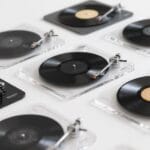


As vinyl pressing technology developed over the years, it has transformed notably from its early methods. The pressing process now utilizes modern computer-controlled lathes, which greatly enhance groove cutting’s precision. This innovation improves sound quality markedly compared to traditional techniques. High-precision hydraulic presses have also entered the scene, allowing for consistent, high-quality vinyl production while reducing defects. Innovations like Direct Metal Mastering (DMM) and UV-cured lacquers provide alternatives that further enhance audio quality and cut down production times. Additionally, there are eco-friendly initiatives such as the EcoRecord process that focus on recyclable materials and lower energy usage, addressing environmental impact. With the help of automation, quality control now guarantees real-time defect detection in large-scale modern vinyl production. Some turntable platforms, like the IsoAcoustics zaZen Series, offer significant vibration absorption features, further enhancing the clarity of sound during playback.
Key Technological Advancements in Modern Pressing

In modern vinyl pressing, several key technological advancements have greatly improved the quality and efficiency of production. High-precision hydraulic presses and computer-controlled lathes enhance accurate groove cutting. This precision considerably boosts sound quality. Furthermore, advancements in digital mastering tools allow for transferring digital recordings to vinyl with exceptional clarity. Material innovations like UV-cured lacquers and Direct Metal Mastering (DMM) improve both sound quality and durability. The EcoRecord process, which employs injection molding technology, reduces energy consumption by up to 85% and minimizes vinyl waste during production. Additionally, automation in new pressing machines, like Viryl Technologies’ Warm Tone press, enables a record to be stamped every 25 seconds, making modern vinyl record pressing more efficient than ever before. Implementing consistent calibration with tools like turntable strobe discs ensures the longevity and quality of vinyl playback.
The Impact of Digital Mastering on Sound Quality

How does digital mastering transform the sound quality of vinyl records? Digital mastering allows sound engineers to make precise adjustments to audio frequencies. This guarantees clarity and detail, enhancing the overall audio quality. Unlike traditional analog techniques, digital tools help reduce unwanted noise and improve the dynamic range. This results in a richer listening experience for vinyl records. By adapting high-resolution audio files for vinyl pressing, sound engineers can achieve superior fidelity. The blend of digital precision with classic analog warmth helps create a deeper emotional connection for listeners. Overall, digital mastering bridges the gap between old and new technologies, making vinyl records sound better than ever. Enjoy the music, knowing the technology is on your side! Additionally, using non-toxic and alcohol-free cleaners not only safeguards vinyl from degradation but also preserves the sound quality during playback.
Innovations in Pressing Equipment and Techniques

While many might assume that creating a vinyl record is a straightforward process, recent innovations in pressing equipment and techniques have transformed the way records are made. Modern machines, like Viryl Technologies’ Warm Tone press, produce a record every 25 seconds, speeding up production time considerably. Computer-controlled lathes cut grooves with high precision, improving sound quality. Methods such as Direct Metal Mastering enhance durability and fidelity. Automation features, including visual defect detection systems, reduce errors, ensuring consistent vinyl production. Additionally, eco-friendly initiatives like the Sonopress EcoRecord process use recyclable materials and injection moulding, lowering energy consumption and surface noise. These advancements combine technology and sustainability, offering a promising future for vinyl records amidst the rise of digital formats. Newer turntables in 2026, such as the Audio-Technica AT-LP60X-GM, offer automatic operation with added Bluetooth connectivity, aligning with modern listening preferences and showcasing the integration of technology in vinyl playback.
The Role of Automation in Vinyl Production

Automation enhances efficiency in pressing plants. For instance, new presses like Viryl Technologies’ Warm Tone can stamp a record every 25 seconds. This is considerably faster than traditional methods. Additionally, machine vision technology spots defects in real time, which reduces manufacturing errors and guarantees better quality control. Automated temperature monitoring guarantees consistent audio fidelity, minimizing variability in sound quality. Furthermore, AI-assisted mastering software helps mastering engineers by optimizing equalization curves and fixing problematic frequencies. This results in an overall improved sound experience. With these advancements, pressing plants can effectively manage increased demand, reducing backlogs that have historically plagued vinyl production. Automation truly revolutionizes how records are made. Additionally, solid aluminum construction in 45 RPM record adapters enhances durability and sound quality, which complements automation advancements by ensuring optimal playback quality.
Recommended Products

COMPATIBILITY: Perfect fit for 45 RPM vinyl records, converting standard turntable spindles to accommodate smaller center holes

Adapts 7" 45rpm Records to Fit Standard Turntables

Enjoy stable playback: The Menesia 45 Record Adapter ensures your 45 RPM records stay securely in place on the turntable, preventing any issues during playback
Eco-Friendly Practices in Vinyl Manufacturing
As the vinyl industry grapples with environmental challenges, many companies are adopting eco-friendly practices to make their manufacturing processes more sustainable. Traditional record pressing often uses toxic chemicals and PVC, which can take centuries to break down. Fortunately, companies like Sonopress are introducing processes that utilize recyclable materials, such as PET, greatly cutting energy consumption by up to 85%. These innovative methods also generate injection-molded records, which can reduce surface noise while eliminating excess vinyl trimming. Additionally, firms like Evolution Music are working on bioplastic records, supporting the circular economy. Emerging technologies from players like NAKED Record Club help further minimize energy use, promoting a greener approach to vinyl manufacturing. Built-in amplifiers simplify audio setups by eliminating the need for separate equipment, providing a streamlined solution for vinyl enthusiasts. This shift fosters sustainable records for music lovers everywhere.
Quality Control Advances in the Pressing Process
In today’s vinyl pressing industry, quality control has taken on a new level of importance. Advanced technology plays a key role in this, with automated systems enhancing defect detection during production. These systems use machine vision to analyze each vinyl record for any inconsistencies or flaws before they are packaged. Additionally, sample records undergo rugged testing, guaranteeing only those that meet high-quality standards are approved for distribution. Temperature control in pressing machines has also improved, contributing to better sound fidelity. By combining traditional inspection methods with digital precision, modern quality control techniques markedly reduce production errors and enhance overall audio quality. Following these advancements guarantees that each vinyl record is up to the best possible standard. Furthermore, turntable isolation pads are essential for optimal turntable function during playback, significantly enhancing sound quality by minimizing vibrations.
Recommended Products

MINIMIZE UNWANTED VIBRATIONS Designed to isolate speakers and audio equipment from surfaces that can transfer resonance and vibration, helping create a cleaner and more controlled listening environment.

ELEVATE YOUR TURNTABLE'S PERFORMANCE. Tuneful Cables Cork Isolation Pads for Turntables absorb unwanted vibrations so your turntable can focus on retrieving all of the music that’s in your record’s grooves.

Enhanced Audio Clarity: By reducing external vibrations, it improves frequency response and detail, turning every playback into an undisturbed and accurate sound
The Shift From Traditional to Modern Materials
Modern vinyl pressing has not only improved through advanced quality control methods but also through significant changes in the materials used. The shift from brittle shellac to durable PVC in the 1940s made records last longer with better sound quality. Today, eco-friendly materials are on the rise. For instance, recyclable PET mixtures in the EcoRecord process help reduce waste and environmental impact. Innovations in vinyl also include bioplastics, as seen with Evolution Music’s Evovinyl, which align with sustainable practices. Furthermore, replacing traditional pressing methods with injection molding technologies cuts energy consumption by up to 85%. With modern hydraulic presses and UV-cured lacquers, vinyl pressing achieves greater quality and consistency, perfect for the digital age. Regular maintenance of vinyl records ensures optimal sound quality and preservation by minimizing the risk of permanent damage, encouraging enjoyable listening experiences.
Addressing Challenges in New Pressing Technologies
New pressing technologies, while promising, come with their own set of challenges. Injection-moulded records, such as those made by Sonopress, reduce surface noise and enhance music quality, but they only last about 35 plays. This is fewer than the 50 plays traditional records typically endure. Additionally, new technology often comes with higher production costs, especially when using innovative materials like bioplastics from Evolution Music. Vinyl sales continue to grow, and industry backlogs can stretch up to three months, demonstrating a need for efficient solutions. To address environmental concerns, improvements over the years have included embracing eco-friendly practices like using recycled materials in vinyl pressing, making it more sustainable while still delivering high-quality sound. Moreover, the use of silicone hemisphere bumpers in turntable setups can significantly enhance audio performance by absorbing up to 99% of vibrations.
The Future of Vinyl: Trends and Predictions
As vinyl continues to gain popularity, enthusiasts are curious about its future. The global vinyl record market is set to reach about $1 billion by 2026. New technologies, like EcoRecord, aim for better sound and reduced environmental impact through injection molding. This innovation also encourages sustainable practices, using recyclable materials. Precision machinery combined with AI-assisted mastering will enhance audio quality, making it easier for independent artists to produce vinyl. Collectors and audiophiles will likely embrace the ongoing trend of limited edition releases, which adds to the allure of vinyl. While maneuvering through this resurgence of vinyl, remember to look for products that focus on eco-friendly processes while delivering the high-quality sound you’ve come to enjoy. Additionally, as solid-state preamps evolve, versatility and compatibility with various audio devices and vinyl systems will enhance the listening experience for audiophiles.
Frequently Asked Questions
Why Is Gen Z Buying Vinyl?
Amidst a digital storm, Gen Z embraces vinyl nostalgia, captivated by music experiences that resonate deeply. The collector community thrives, where sound quality and artistic expression flourish within bustling record shops, reflecting a vibrant vintage aesthetic alongside party culture.
Why Is Vinyl Becoming Popular Again?
The vinyl resurgence stems from its nostalgic appeal, tangible music experience, and enhanced sound quality. Collector culture thrives in today’s landscape, driven by record stores and the aesthetic experience vinyl offers compared to digital music formats.
Why Do People Think Vinyl Sounds Better Than Digital?
Why do many perceive vinyl as superior? Vinyl’s warmth and analog richness deliver a tactile experience, enhancing emotional connections. This nostalgia, combined with unique sound frequency representations, makes it a cherished part of personal collections and listening rituals.
When Did They Stop Pressing Vinyl?
Vinyl pressing largely ceased in the early 1990s, marked by technological shifts and market analysis favoring digital formats. This decline triggered nostalgia and collectible trends, creating contrasts in music format appeal amidst evolving turntable innovations.


