As an Amazon Associate, we earn from qualifying purchases. Some links on this site are affiliate links at no extra cost to you. Our recommendations are based on thorough research and editorial judgment.


The Economics of Modern Vinyl Production

Modern vinyl production is experiencing a significant boom. Since 2007, vinyl sales have surged, with over 27 million records sold in 2021 alone. This growth has led to a doubling of U.S. vinyl pressing plants since 2015. However, high manufacturing costs and supply chain issues remain challenges. Independent artists struggle due to these expenses and competition from established musicians. Understanding these economic dynamics can help you appreciate the vinyl’s evolving market. There’s more to explore about this fascinating topic.
Key Takeaways
- The number of U.S. vinyl pressing plants nearly doubled since 2015, reflecting the industry’s growth amidst rising vinyl sales.
- High manufacturing costs are driven by international shipping and equipment acquisition, impacting the profitability of vinyl production.
- Supply chain disruptions and manufacturing delays have challenged pressing plants to meet the high demand for vinyl records.
- Independent artists face financial hurdles due to the high costs of pressing vinyl, often relying on merchandise sales for income.
- Investment in facilities and innovative practices is necessary for sustainable growth in the vinyl production industry.
The Rise of Vinyl in the Digital Era
You may be interested



As the digital age progressed, many might have wondered why vinyl records made a remarkable comeback. Since 2007, vinyl sales have surged, and in 2021, over 27 million vinyl records sold in the U.S. even exceeded CD sales. This shift suggests a renewed interest in tangible music formats. Record Store Day, celebrated since 2008, energizes vinyl culture and supports local record shops while attracting music fans. Limited edition releases by artists like Taylor Swift and Billie Eilish also drew younger audiences who appreciate the exclusivity of vinyl. It’s noteworthy that by 2022, the number of U.S. vinyl pressing plants nearly doubled since 2015, reflecting strong demand despite supply challenges. Enthusiasts often invest in archival-quality record protection to ensure their collections remain pristine over time. The evolution of recorded music sales continues, favoring vinyl’s unique charm.
Driving Factors Behind Vinyl’s Resurgence

Vinyl’s resurgence can be attributed to several interesting factors that have captured the attention of music lovers. Vinyl records saw a boost in sales beginning in 2007. One major catalyst was Record Store Day in 2008, promoting independent shops and artists. The COVID-19 pandemic further encouraged hobbies, with 2021 marking the highest sales since 1986. Many people seek comfort and nostalgia in music, preferring the tactile experience of vinyl over digital music. Collecting them became an exciting trend due to unique album art and special editions. Additionally, pressing plants have increased production to meet demand. Many vinyl record player tables now feature storage solutions from 70 to 500 albums, accommodating the growing collections of audiophiles. Overall, this blend of nostalgia, collectability, and a desire for a break from technology has fueled vinyl’s revival in today’s music industry.
Recommended Products
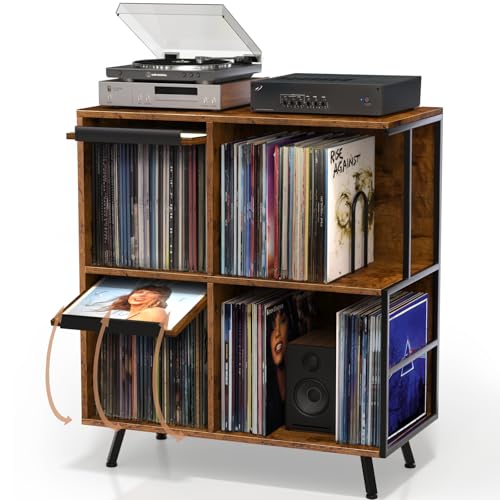
【Mid-Century Record Player Stand】This vinyl record stand features dual-side organization: 70-album enclosed storage (left) and 80-album open display (right) per tier. The 150-lb weight capacity desktop safely holds your turntable, speakers, and other heavy audio equipment. Dimensions: 31.5"W x 16.93"D x 35.5"H.

Spacious Top Surface Storage: This record player table features a generous top surface that easily accommodates various audio equipment, turntables, and playback devices, keeping your music setup tidy and organized. Additionally, vinyl record holder provides space for displaying decorative items such as music-related artwork, books, plants, or small ornaments, enhancing the personalized style of your home.
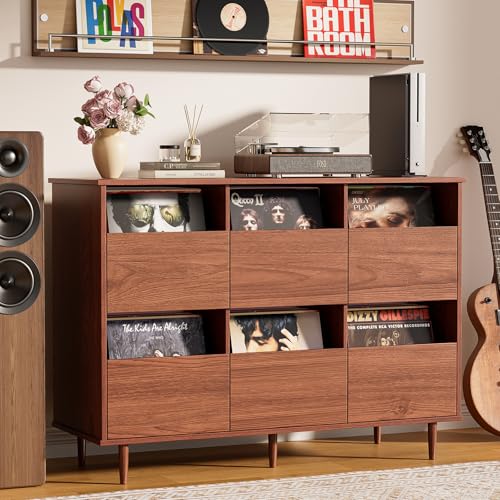
Easy Browsing Design: It features six generously sized opening compartments, the smooth metal rails allows for effortless viewing and retrieval, enabling you to browse through your albums with minimal handling. This design not only maximizes organizational efficiency but also transforms the act of selecting music into a seamless and engaging experience
The Economic Landscape of Vinyl Production

The resurgence of vinyl records has spurred notable growth in the industry, prompting changes in the economic landscape of vinyl production. With the number of vinyl pressing plants in the US nearly doubling since 2015, demand remains high. However, record pressing faces challenges like manufacturing delays and supply chain disruptions, worsened by the COVID-19 pandemic. Artists like Taylor Swift fuel this growth, yet the costs of vinyl record manufacturing remain elevated. This is due to international shipping fees and the complexity of acquiring new pressing equipment. Addressing these issues, industry figures like Jack White advocate for more investments in facilities. Additionally, innovations in vinyl production are essential for meeting fluctuating demand while boosting sustainability in the industry. One way to ensure the longevity of vinyl collections while traveling is by using protecting vinyl records on the go cases that provide stability and impact resistance.
Recommended Products

【A PERFECT STORAGE SOLUTION FOR YOUR RECORDS】- In the realm of vinyl collecting, the preservation and organization of records are of paramount importance. A storage box measuring 13.5x 7x 13.8 inches epitomizes a design that marries functionality with protective qualities, making it an essential accessory for both vinyl enthusiasts and collectors.

AN EXCELLENT STORAGE SOLUTION FOR VINYL RECORDS: For vinyl collectors, safeguarding and organizing records is of utmost importance. This storage box, with dimensions of 13.38 x 6.69 x 14.76 inches, exemplifies a design that unites functionality with protective capabilities, making it an invaluable addition for both vinyl collectors and aficionados.
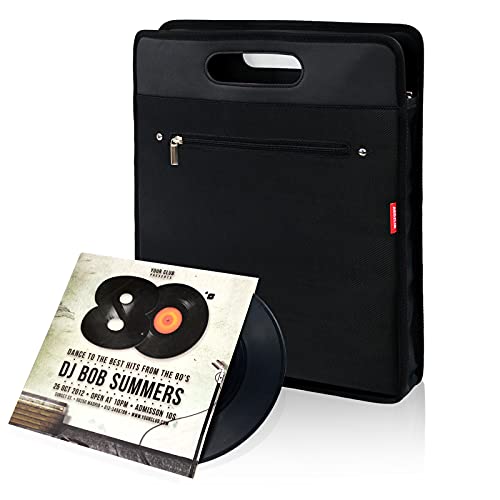
AKOZLIN Vinyl Record Travel Carrying Bag,LP Records Durable Vinyl Albums Case For Most 7" 10" 12" LP
Size(Albums):12.2”×12.4”×1.97”, Hight of handle:3", Main compartment Holds up to 20 records (without Album box) of 7/10/12 inches, Outside have 2 Pockets for 7" vinyl record
Challenges Facing Independent Artists

While pursuing their passion, independent artists often encounter significant financial obstacles. The journey usually begins with creating a first album, which can entail high production costs. Many artists turn to vinyl sales as a crucial revenue source since streaming earnings can be as low as $0.004 per play. However, pressing plants charge hefty fees, and international shipping adds to the costs. For many independent artists, working with record labels is a distant dream, making it tough to reach music fans. This limited market also favors established artists, further straining newcomers’ opportunities. As a result, many musicians supplement their income with merchandise sales, often relying on t-shirts, as vinyl sales alone rarely sustain a career. Independent artists can benefit from using cube storage solutions to organize and present their vinyl records stylishly, enhancing both storage efficiency and room aesthetics.
Recommended Products

【Large Capacity】:Holds 45-55 LPs in a compact vinyl record storage crate, keeping albums organized and easy to access.

COPYRIGHT Large Storage Capacity: Wooden vinyl record storage with large capacity can hold 80-100 records with ease.14in height, easily fits 7/10/12 in records with sleeves without crowding. Keeping record well displayed and clutter-free.

【Arbitrary Stacking 】: Modular size record holder can be freely combined and stacked to different, versatile storage spaces. Adapt to the storage needs of a variety of spaces, you can switch the stacking method at any time to increase the fun of space versatility.
The Role of Collectibility and Nostalgia in Vinyl Sales

Collectors and music lovers alike find great joy in the resurgence of vinyl records, especially since the revival began in 2007. This passion stems from a powerful blend of nostalgia and collectibility. Many enjoy owning physical artifacts of their favorite music, as it offers emotional connections to their past. Limited edition releases from popular artists, like Taylor Swift and Billie Eilish, continue to grow in appeal. Record Store Day fosters excitement by promoting exclusive vinyl, further boosting collectors’ interest. When shopping for vinyl, pay attention to unique album artwork and colored versions, as these are highly sought after. Remember, collecting vinyl combines love for music with a meaningful hobby, making each purchase a treasure to cherish. Collectors may also consider the sound quality assurance that comes with premium vinyl pressings, ensuring an optimal listening experience.
Frequently Asked Questions
How Does Vinyl Manufacturing Impact the Environment?
Vinyl manufacturing markedly impacts the environment through high energy consumption, considerable carbon footprints, and challenges in waste management. However, adopting sustainable materials, improving recycling options, and adhering to environmental regulations can mitigate these effects effectively.
What Are the Average Costs for Producing a Vinyl Record?
Average costs for producing a vinyl record reflect a tapestry of factors; a cost breakdown reveals labor expenses, material choices, and production quantities, all influenced by pricing factors and fluctuating market demand, weaving complex economic threads.
Are There Vinyl Pressing Plants in Every Country?
Not every country has vinyl pressing plants; global production is influenced by regional demand and market saturation. Technological advancements and labor costs also determine establishment viability, while import challenges affect access to vinyl across different nations.
How Long Does It Take to Produce a Vinyl Record?
Typically, producing a vinyl record takes four to six weeks. This timeline can vary considerably based on pressing capacity, demand fluctuations, manufacturing techniques, and necessary equipment maintenance, all impacting record quality and overall production efficiency.
What Should I Consider When Storing Vinyl Records?
When storing vinyl records, one should consider record storage environments, humidity control, temperature regulation, protective sleeves, stacking methods, and handling techniques to preserve quality and prevent damage over time, ensuring longevity and ideal sound performance.


