As an Amazon Associate, we earn from qualifying purchases. Some links on this site are affiliate links at no extra cost to you. Our recommendations are based on thorough research and editorial judgment.


How Vinyl Records Actually Work

Vinyl records work by capturing sound in grooves cut into the vinyl surface. When a record spins, a stylus, usually made of diamond, traces these grooves. This movement creates vibrations, turning them into electrical signals that amplify sound. Records typically play at 33 1/3 RPM for LPs or 45 RPM for singles. Proper care is essential, like storing records upright and cleaning them regularly. Understanding these basics helps enhance your listening experience, and there’s more to discover beyond this.
Key Takeaways
- Vinyl records store sound as three-dimensional grooves that capture variations in sound waves and frequencies.
- A stylus, usually made of diamond or sapphire, reads these grooves and converts mechanical vibrations into electrical signals.
- The electrical signals are amplified by the cartridge, which enhances the detail and warmth of the audio output.
- Proper mastering optimizes the sound quality before pressing, ensuring balanced frequency levels and clarity in the final product.
- Record players spin the vinyl at set speeds (33 1/3 RPM for LPs, 45 RPM for singles) as the stylus traces the grooves.
A Brief History of Vinyl
You may be interested


The journey of vinyl records began in a surprisingly inventive time. In 1877, Thomas Edison’s phonograph captured sound on a tin foil-covered cylinder. This marked the start of recorded audio. Emile Berliner later revolutionized the industry in the late 19th century with the gramophone, introducing flat disc records. These discs led to the development of vinyl records. In 1930, RCA Victor launched the first commercial vinyl long-playing (LP) record, which played at 33 1/3 rpm on a 12-inch disc. Vinyl records provided a more durable and higher-quality alternative to shellac 78 rpm records. Since 2008, a resurgence in popularity has seen sales soar, even surpassing CDs for the first time since 1986, highlighting vinyl’s cherished analog nature. Many modern vinyl record players now include Bluetooth connectivity, allowing for a seamless blend of vintage charm and modern convenience.
The Basics of Sound Waves

Understanding how sound waves behave is key to grasping how vinyl records work. Sound originates from vibrations that travel through the air. These vibrations create pressure changes perceived as sound by the human ear. The frequency of these waves determines their pitch, while their amplitude affects loudness; bigger vibrations yield louder sounds. Vinyl records capture these sound patterns in grooves, which are three-dimensional cuts in the vinyl. Each groove intricately represents the original audio’s nuances. When a record plays, the stylus rides these grooves. This mechanical action converts the vibrations into electrical signals. These signals are then amplified to produce playback sound. Consequently, the process transforms the physical into the auditory in an accessible way for listeners. Regular cleaning maintains the longevity of vinyl records and equipment, ensuring the grooves remain pristine and free from dust and static interference.
The Role of the Stylus

Essential to vinyl playback, the stylus is the tiny needle that reads the grooves on a record. Typically made of sapphire or diamond, the stylus is attached to a lightweight metal bar. As the vinyl spins, the stylus vibrates according to the grooves’ undulations. These vibrations are vital, as they convert mechanical movements into electrical signals. The signals are sent to an electromagnetic cartridge, where they transform further through piezoelectric crystals or coils and magnets. Next, the electrical signals travel through the tone arm to the amplifier. This process enhances their strength, allowing for playback through speakers. The quality of the stylus greatly impacts the sound quality, making its design essential for an enjoyable listening experience. Diamond-tipped styluses improve sound quality and durability, lasting 200-300 hours, which is crucial for consistent audio performance.
Recommended Products
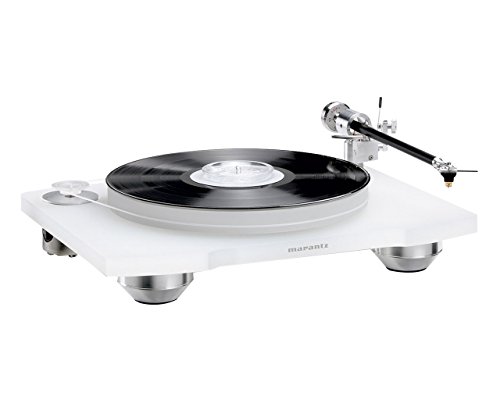
VINYL MAKES A MAGNIFICENT COMEBACK – The warmth of analog music supersedes all digital forms. Marantz brings alive the old school charm with its Reference Series TT-15S1 Turntable (33 1/3 & 45 rpm) – an absolute stunner for your treasured albums

FLAGSHIP MC X SERIES PERFORMANCE - The Ortofon MC X50 is the highest-performing model in the MC X Series, engineered to deliver exceptional detail, accuracy, and musical realism from vinyl records.

Universal fit for most turntables
Understanding the Grooves

Vinyl records rely on meticulously designed grooves to capture and reproduce sound. Each groove is shaped like a V, which represents the stereo channels of sound waves. This design allows for rich audio quality, making each listening experience unique. As the stylus moves along these grooves, it vibrates in response to their variations, generating electrical signals that correspond to the original sound waves. It is essential to recognize that the craftsmanship involved in cutting these grooves affects clarity and depth. Surface imperfections like pops and crackles may be present, but many audiophiles appreciate these characteristics. They add a distinctive auditory charm to vinyl playback. Understanding grooves enhances appreciation for how vinyl beautifully captures audio details. Additionally, using an Audio-Technica Anti-Static Record Brush can help remove dust and contaminants, improving the listening experience by reducing surface noise.
The Mastering Process

Creating a vinyl record involves a detailed mastering process that guarantees the final sound is polished and ready for listening. During this stage, a mastering engineer takes the master recording and optimizes sound quality. They balance frequency levels to ascertain the music translates well to vinyl. A cutting lathe, equipped with a diamond needle, carves V-shaped grooves into a lacquer-covered disc. Each groove must represent a stereo signal accurately to avoid needle skips during playback. Mastering engineers use specialized equipment to ensure durability for the pressing process while maintaining fidelity. Once the lacquer master is complete, it will be used to create metal stampers. These stampers will ensure that each vinyl record has consistent sound quality throughout the production run. Additionally, incorporating subsonic filters during the mastering phase can ameliorate playback clarity, enhancing the overall audio fidelity of the vinyl record.
The Pressing of Vinyl Records
The pressing of vinyl records transforms lacquer masters into tangible music. This process starts with a master recording made from high-quality audio files, which gets cut onto a lacquer disc to create grooves. Once the lacquer master is approved, metal stampers are produced. These stampers impress grooves into molten vinyl pellets during pressing. Typically, records are made in sizes of 7, 10, or 12 inches, each holding a specific duration of music. Vinyl, primarily composed of polyvinyl chloride (PVC), is more durable than older shellac records and enhances sound quality. Careful craftsmanship during pressing guarantees the grooves are accurate, considerably contributing to the clarity and depth of the final album. This precision helps preserve the music’s richness for listeners. For optimal sound performance, cartridge specifications such as stylus shape and tracking force play a crucial role in ensuring high fidelity audio reproduction.
Recommended Products
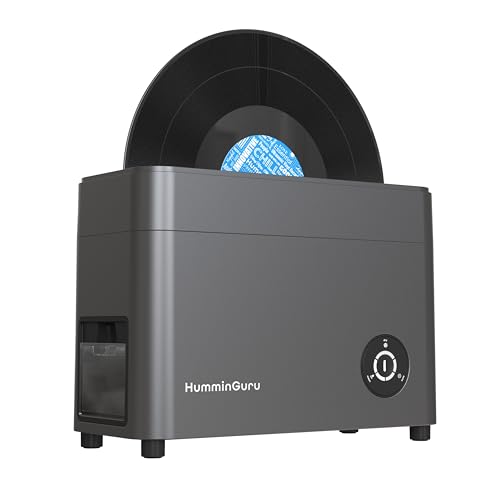
Audiophile-Safe 40kHz Ultrasonic Vinyl Record Cleaner: Engineered with dual transducers and a single-unit closed-loop stainless steel basin for maximum energy efficiency. With a precisely calibrated ratio of power, frequency, and 10mm proximity distance, it ensures maximum deep-groove dirt removal with zero risk of record damage. Acclaimed by leading audio publications and trusted by thousands of vinyl collectors worldwide, it delivers safe, contactless lp cleaning for long-term record preservation.


Preserve Sound Quality: Don't let dust and grime degrade your vinyl collection. Regular cleaning with our vinyl cleaning kit can help preserve the sound quality of your records.
How Record Players Function
To understand how record players function, one must grasp the role of the stylus, or needle. This tiny component, often made from diamond or sapphire, sits at the end of the tonearm. As a vinyl record spins, the stylus traces the grooves, which capture sound vibrations. These vibrations create electrical signals through a cartridge mounted on the tonearm. Record players operate at specific speeds—33 1/3 RPM for LPs and 45 RPM for singles—ensuring accurate playback of sound. The quality of the cartridge, stylus, and overall turntable design can greatly affect the listening experience. By understanding these elements, one can appreciate the intricate process that allows vinyl records to produce beautiful music. Additionally, Bluetooth connectivity options in modern record players, such as those found in the Sony PS-LX310BT, enhance the listening experience by providing wireless streaming capabilities.
Transduction of Sound
While exploring the fascinating world of vinyl records, understanding the transduction of sound is essential. This process begins when the stylus, often made of sapphire or diamond, moves along the grooves of the vinyl. Each groove encodes sound waves that represent different audio elements like volume and pitch. As the stylus vibrates with these grooves, it converts the mechanical motions into electrical signals. These signals travel through the tonearm to an amplifier, which boosts them for playback through your speakers. The stylus and cartridge, including designs like moving magnet (MM) and moving coil (MC), work together to capture detailed sound. This transduction results in an audio experience that many listeners find warm and immersive, especially compared to digital formats. For those who appreciate both sound quality and aesthetics, choosing a stylish presentation for their vinyl setup enhances the overall listening experience.
The Unique Sound Quality of Vinyl
Vinyl records offer a uniquely rich sound quality that many music lovers appreciate. The grooves on these records serve as a physical analog of sound waves. This allows them to reproduce audio nuances that digital formats often overlook. Because vinyl records retain a full spectrum of sound, they provide a warmer sound quality. Additionally, surface imperfections like pops and crackles add character, enhancing the listening experience for audiophiles. The unique groove structure captures subtle variations in volume, pitch, and tone, which can make the music feel more dynamic. Made from high-quality polyvinyl chloride, vinyl records also boast durability and sound fidelity that surpass older materials. Heavier weights can stabilize records and reduce vibrations, leading to clearer audio by minimizing interference. In short, the charm of vinyl lies in its authentic and engaging sound quality.
Comparison With Digital Formats
When comparing vinyl records to digital formats, it is essential to understand their fundamental differences in sound representation. Vinyl captures music in an analog format, using physical grooves to depict sound waves. This allows for a warm, dynamic range that many enjoy. On the other hand, digital formats store audio as numerical data, which can involve compression. Compression often leads to a loss of detail, making some songs sound sterile. While digital music offers convenience and portability, vinyl requires physical interaction, creating a more engaging experience. Since 2008, vinyl has seen a resurgence, highlighting a preference for its analog charm. Many listeners appreciate the imperfections vinyl offers, favoring its character over digital sterility. The resurgence in vinyl’s popularity has also led to innovations, such as Bluetooth transmitters for turntables, enhancing the listening experience with modern wireless convenience.
Recommended Products

EXHILARATING SOUND PERFORMANCE - Immerse yourself in the ultimate listening experience by pairing a fully loaded high fidelity turntable with endlessly versatile, room-filling 150-watt powered floorstanding speakers

EXHILARATING SOUND PERFORMANCE - Immerse yourself in the ultimate listening experience by pairing a fully loaded high fidelity turntable with endlessly versatile, room-filling 150-watt powered floorstanding speakers

EXCEPTIONAL SOUND PERFORMANCE - Savor the ultimate listening experience by pairing a fully loaded high fidelity turntable with endlessly versatile, room-filling 120-watt powered bookshelf speakers
Caring for Your Vinyl Collection
Maintaining a vinyl collection requires careful attention to its unique needs. Store records vertically in protective sleeves to prevent warping and keep dust at bay. Regularly clean your vinyl using a soft, anti-static brush or a cleaning solution designed for records. This preserves sound quality and enhances listening experiences. When handling vinyl, always grasp the edges, avoiding the grooves to prevent fingerprints and oils from affecting playback. Confirm your vinyl collection is kept in a cool, dry environment, away from direct sunlight and temperature extremes, which can damage the material. Investing in a quality turntable with an adjusted stylus is essential too, as it minimizes wear during playback, confirming your records sound their best for years to come.
Recommended Products

High-Precision 40kHz Ultrasonic Restoration: Engineered with dual transducers and a single-unit closed-loop stainless steel basin for maximum energy efficiency. By maintaining a strict 10mm proximity between the record surface and the basin wall, the 40kHz ultrasonic waves target deep-groove dirt, microscopic dust, and manufacturing release agents with surgical efficiency—all without physical contact.

A professional ultrasonic record cleaning machine, not only brings your dirty records back to life but also designed in ways that bring you a pleasant cleaning experience. Our Record Cleaner is intuitive, compact, lightweight, smart, and quiet.

HumminGuru Ultrasonic Vinyl Record Cleaner Machine
The Resurgence of Vinyl Records
How did vinyl records make a comeback? The resurgence of vinyl records began in 2008. Many people started to appreciate the warm, rich tones of analog sound. This shift led to a nostalgia for physical music formats. By 2017, vinyl sales in the UK exceeded 3 million, marking a strong market interest. For the first time since 1986, vinyl records even outsold CDs. Artists now release exclusive vinyl editions, increasing their collectible value. Fans engage more deeply with albums they can hold. To support this growth, new pressing plants have emerged, creating innovative manufacturing techniques. Whether you are a new enthusiast or a vintage collector, the revival of vinyl offers something for everyone to enjoy.
Recommended Products

Hand-built in the UK 70 x 7" vinyl record rotating jukebox mechanism (140 selection rotating title strip display - A/B sides); Plays both "small" and "large" hole 45 RPM format records

REDISCOVER YOUR PASSION FOR VINYL - Listen to your analog music in a brand new way with this rigid diecast aluminum vinyl turntable that comes with standard mount headshell, S-shaped tonearm, direct drive motor, and has rotation speeds of 33 1/3, 45, or 78 rpm

CORELESS DIRECT DRIVE: Advanced motor system with Delta Sigma Drive technology delivers exceptional rotational stability and precise speed control for professional-grade performance
Frequently Asked Questions
How Do Vinyl Records Actually Work?
Vinyl records function by transforming sound waves into analog sound through groove structures. A needle tracks these grooves, vibrating in response to variations, ultimately converting mechanical movements into electrical signals for playback via speakers.
How Do Vinyl Records Get Music on Them?
Music is placed on vinyl records through a vinyl pressing process involving grooves creation techniques, capturing analog sound characteristics. Mastering vinyl differences guarantees sound quality, while record label importance influences the overall production and distribution.
What Does 33 45 and 78 Mean on a Record Player?
Like a maestro conducting an orchestra, turntable speed defines the tempo of musical grooves. The 33, 45, and 78 RPM designations represent different record formats, affecting playback quality through various needle types and groove technology.
How Do Record Players Work Without Electricity?
Record players produce mechanical sound through analog technology by utilizing needle vibration along vinyl grooves. This operation, rooted in acoustic principles, allows vintage music to be enjoyed without electrical components, relying solely on physical interactions.