As an Amazon Associate, we earn from qualifying purchases. Some links on this site are affiliate links at no extra cost to you. Our recommendations are based on thorough research and editorial judgment.


Signs Your Cartridge Needs Replacement

Signs that your cartridge needs replacement include distorted sound, skipping, and excessive surface noise. Check for visible damage on the stylus or cartridge body, like cracks or bends. If you notice a decline in sound clarity, it’s time for a change. Keep track of playtime; after about 1,500 hours, consider replacing your cartridge. Regular inspections help catch issues early. Want to learn more about proper maintenance and care? Continue exploring the tips provided.
Key Takeaways
- Distorted or muffled audio often signifies the stylus is not picking up vibrations effectively, indicating potential wear.
- Excessive surface noise during playback is a strong indicator of stylus degradation and the need for replacement.
- Skipping or jumping during playback suggests internal damage or worn-out components in the cartridge.
- Clear signs of visible damage, such as cracks or bends on the cartridge body or stylus, warrant immediate replacement.
- Keeping track of playback hours; after approximately 1500 hours, consider replacing the cartridge to maintain optimal sound quality.
Understanding Cartridge Functionality
You may be interested


A turntable cartridge plays a crucial role in enjoying vinyl records. It takes the tiny vibrations from the record grooves and converts them into electrical signals, creating sound. The cartridge consists of several key parts: the stylus, cantilever, magnet, coils, and body. Each part is essential for good sound quality. The stylus makes direct contact with the record, while the cantilever transfers vibrations to the coils, which then generate the electrical signal. Regularly checking the cartridge helps maintain its functionality. Look for visible damage on the stylus or cantilever as this can affect playback quality. Remember, prolonged use can degrade cartridge performance, so be proactive to keep your music sounding good. With proper care, your cartridge can provide great listening experiences. It’s important to choose a cartridge with replaceable styli as it offers longevity and upgrade potential.
Common Signs of Cartridge Wear

When a turntable cartridge begins to wear out, it subtly affects the listening experience, making it essential for users to recognize the signs of wear. Distorted or muffled sound during playback indicates the stylus may not be properly picking up vibrations. Excessive surface noise, including loud crackles and pops, signals significant stylus wear, compromising sound quality. If the stylus skips or jumps, it could suggest a worn-out stylus or internal damage, affecting tracking. Uneven sound between speakers often points to internal cartridge damage, requiring immediate attention. Finally, visible issues such as a bent stylus or misaligned cantilever indicate a need for replacement to restore ideal sound quality and protect vinyl records from further wear. Consider the benefits of built-in amplifiers when upgrading your audio setup, as they can simplify your setup and enhance your listening experience.
Recommended Products

Fully manual Belt-drive operation with two speeds 33-1/3 and 45 RPM

Replacement Stylus for 2M Black LVB 250 Cartridge

Seamless Bluetooth 5.3 Streaming Meets Authentic Vinyl Warmth:Cut the cords without an ounce of audio lag. This vinyl record player unleashes Bluetooth 5.3, streaming your LPs to any Bluetooth speaker or headphones with incredible range and stability. The built‑in transmitter automatically reconnects to your paired device, so all you do is drop the needle. Want to keep the classic wired setup? Just plug into powered speakers via RCA—this bluetooth record player gives you both paths. It transforms any room into a vintage‑style listening lounge without cable clutter, making it the ideal record player with Bluetooth for late‑night jazz, dinner parties, or solo deep‑listening.
Visual Inspection Techniques

Begin by carefully examining the turntable cartridge and stylus under bright lighting. Look for any visible damage such as bends, misalignments, or signs of wear. It’s helpful to use a magnifying glass or a medical microscope for a detailed view of the stylus tip. Check for visible cracks or chips on the cartridge body, as these can cause bigger problems, including ruining your vinyl records. Also, inspect the wiring connections around the cartridge for frays or damage, which may lead to audio issues. Finally, watch out for excessive dirt or debris. Accumulated grime could signal neglect, necessitating immediate cleaning or even replacement. A close visual inspection helps guarantee peak performance from your turntable. Regularly cleaning vinyl records is crucial to maintaining pristine sound quality and preventing damage to the stylus and cartridge.
Listening Assessment for Cartridge Health

How can a simple listening test reveal a lot about a turntable cartridge’s health? Start by listening for distortion. Signs that a cartridge is in trouble include muffled audio or fuzzy treble, hinting at a worn stylus. Pay attention to skips or jumps, which often indicate poor tracking performance. Increased surface noise, such as excessive crackles and pops, can also suggest stylus degradation. Evaluate the clarity of instruments too; if violins or pianos sound rough, it’s likely a sign of cartridge deterioration. To perform a proper assessment, compare the current sound quality with past listening experiences using different records. This comparison can help identify drastic changes that signal the need for replacement. Keep your ears open; they tell a lot! Regular inspection and timely replacement of styluses are crucial for optimal sound.
Effect of Cartridge Age and Usage

A turntable cartridge may look small, but its age and usage greatly impact sound quality. Typically, a cartridge lasts about 1,500 hours of playtime. After this, sound quality may decline. If you use your turntable frequently, wear will occur faster. Conversely, if left idle, rubber components can still deteriorate. Regular inspections are essential; look for signs you need to replace it, like cracks in rubber or diminished audio clarity. Many audiophiles suggest changing cartridges every two years to maintain peak performance. To keep your vinyl records safe, monitor playback quality closely. Address any noticeable issues immediately to avoid further damage. Stay proactive, and your listening experience will remain enjoyable for years to come. For those looking to improve sound quality, consider upgrading cartridges, which can significantly enhance audio fidelity.
Impact of Environmental Factors
Environmental factors can significantly impact the lifespan and performance of turntable cartridges. Humidity and temperature fluctuations often lead to accelerated wear and tear. This can degrade cartridge components, risking premature failure. Additionally, exposure to harsh chemicals or pollutants is detrimental, damaging filter material and reducing longevity. High dust levels can create clogs, increasing pressure drops and requiring earlier replacements. For example, in pool filter cartridges, imbalances in water chemistry can flatten pleats or deteriorate fabric. Finally, UV radiation from sunlight makes plastic parts brittle, increasing the risk of cracks. Ultrasonic cleaning technology provides a safer cleaning alternative that eliminates the need for harsh chemicals, protecting your cartridges from unnecessary damage. Regular inspection and awareness of these factors are essential for maintaining cartridge efficacy. Keep an eye on the environment to extend the life of your cartridge.
How to Troubleshoot Cartridge Issues
What should a listener do when strange sounds emerge from the turntable? The first sign of a cartridge issue often includes distorted or muffled playback. Start by visually inspecting the cartridge for visible damage, like a bent stylus or cracks. Next, listen carefully; if the sound is less than clear, that may indicate wear. Check if the stylus is skipping or jumping during play—this can signal damage or obsolescence. Additionally, assess tracking performance; good contact with the record grooves is essential. If the cartridge has been used over 1500 hours, it may be time for replacement. Consider whether your phono preamp is compatible with the MM or MC cartridge type, as using the wrong preamp can further distort the sound. These steps can help identify issues and guarantee a better audio experience for everyone involved.
Recommended Products

EXQUISITE SOUND QUALITY The Ortofon 2M Black pickup offers outstanding audio performance with high detail and sound clarity.
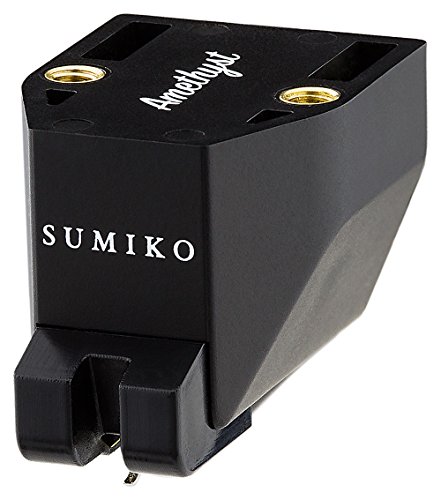
Cartridge Type: Moving Magnet

Hana SL Series Moving Coil Cartridges
Maintenance Practices for Longevity
While maintaining a turntable cartridge may seem intimidating, simple practices can considerably extend its lifespan. Regularly clean the stylus using a soft brush or specialized cleaner. This prevents debris buildup that could affect sound quality. After each use, visually inspect the stylus and listen for signs of wear. A stylus timer is handy, as you should consider replacement after about 1,500 hours of play. Additionally, store cartridges in protective cases to avoid damage from dust and moisture. Every so often, apply a stylus lubricant like Stylast. This reduces friction and helps maintain the stylus’s integrity. Adopting these habits can help you catch issues before the cartridge needs replacement, ensuring music remains enjoyable for longer. Using an anti-static brush can also prevent dust from accumulating on vinyl records, which in turn protects the cartridge and enhances sound quality.
Replacement Guidelines for Cartridges
Maintaining a turntable cartridge is important, but knowing when to replace it is equally essential. Cartridges should generally be replaced after about 1500 hours of use. If users notice a decline in sound clarity or performance, this signals the need to replace. Symptoms like distortion, mis-tracking, or excessive surface noise during playback also indicate a potential replacement. Regular inspections are key; look for visible damage such as bends or cracks in the stylus or cartridge body. Keeping a log of record usage can help monitor wear and provide insights on when a cartridge may need to be replaced. By staying vigilant, users can guarantee peak sound quality and prolong their listening enjoyment. Regular replacements of the stylus, especially with elliptical stylus types, can significantly enhance the sound quality of vinyl playback.
Recommended Products

Spin Records Right Out Of The Box: SpinPlay is factory-calibrated and ready to play right out of the box. Plug the power cable into the wall, and you’re ready to enjoy your favorite records.

Universal fit for most turntables

Replacement Stylus for Ortofon OM and Super OM series
User Experiences and Community Insights
As users plunge into the world of vinyl, sharing experiences becomes a valuable resource. Many audiophiles emphasize the importance of regularly inspecting the cartridge. Let’s break down a few insights from the community. First, tracking the playtime hours on your cartridge can help anticipate replacement needs. This way, you won’t be caught off guard when it starts to falter. Some users also maintain two cartridges for comparison, which can reveal subtle differences in sound quality. After extended use or if you notice distortion in playback, be proactive: inspect the cartridge closely. Regular checks on stylus performance can prevent audio degradation and preserve your vinyl’s sound quality. Participate in online forums to discuss your findings, and remember, community advice is a helpful tool in preserving your vinyl’s integrity. Happy listening!
Professional Servicing Options
Audiences seeking to guarantee their vinyl experience remains pristine should consider professional servicing options for their cartridges. Many manufacturers provide these services, which often include cleaning, inspection, and retipping. For instance, Audio Technica offers a cleaning service for $40 plus shipping. This small investment can help prevent costly replacements later on.
Some brands also promote sustainability through trade-in programs. Users can exchange worn moving coil cartridges for discounts on new ones. Specialized services like WallyTools or SoundSmith provide thorough examinations and repairs, using advanced techniques to optimize performance. Keeping a log of cartridge usage and scheduling professional inspections when sound quality dips can protect both the cartridge and beloved vinyl records from damage.
Recommended Products

✅【Two Years Ink Supply】With your printer purchase, you’ll receive a two-year supply of ink— 5 bottles (250ml each) and 500g of powder! Get a new set every two months, and you only need to cover the shipping

✅【Two Years Ink Supply】With your printer purchase, you’ll receive a two-year supply of ink— 5 bottles (250ml each) and 500g of powder! Get a new set every two months, and you only need to cover the shipping

Can take the Heat: Our SD (“static discharge”) series was made for combustible environments. It protects users from static buildup while in use, which could ignite a spark and cause an explosion. Features a high-vis orange vinyl cable cover.
Recommendations for Equipment Care
To guarantee a cartridge remains in ideal condition, regular care and attention are essential. First, inspect your cartridge regularly for visible wear, like cracks or a bent stylus. If any issues arise, it might be time to contemplate replacement. Keeping a log of playback time helps, aiming for about 1500 hours before replacing a cartridge. Clean the stylus with solutions like Stylast to prevent dirt buildup. Remember to set tracking force and anti-skate according to the manufacturer’s guidelines. After playing each side of a record, schedule inspections to catch wear early. Taking these steps guarantees the longevity of your cartridge and maintains the quality of your vinyl collection over time.
Recommended Products

Replacement Stylus for Ortofon 2M Mono

SQUARE POOLS OFFER MORE CAPACITY: It's science! A 9 foot square pool provides more gallon capacity than a round pool can offer

【110kHz Ultrasonic】:The HumminGuru S-DUO stylus cleaner for record needles uses 110kHz of ultrasonic cleaning frequency to completely remove dust, grime, and hardened dirt off the stylus tip thoroughly. The impact on the sound quality is obvious. It is the First and Only record stylus cleaner that uses ultrasonic technology in the existing market. (It's important to note that frequencies lower than 20kHz are only considered as vibration and not true ultrasonic technology).
Frequently Asked Questions
How Do I Know When to Replace a Cartridge?
To determine when to replace a cartridge, one must monitor sound quality, listening experiences, and overall performance. Regular use beyond a cartridge lifespan of 1500 hours typically warrants consideration for a timely replacement to maintain peak audio fidelity.
What Are the Symptoms of a Bad Cartridge?
A bad cartridge often sounds like music underwater, with distorted quality and excessive noise. Symptoms may include skipping, uneven output, and visible damage, all reflecting its diminished cartridge lifespan and compromised performance.
How to Tell if Your Stylus Needs Replacing?
To determine if a stylus needs replacing, one should monitor sound quality for distortion, rough sibilance, and tracking anomalies. Regular stylus care and inspection can extend its life, but replacement is essential after significant wear.
How Do I Know When to Change My Vape Cartridge?
Determining when to change a vape cartridge hinges on monitoring vape performance. Signs include burnt taste, decreased vapor, leaks, unusual sounds, and visible damage. Each of these indicators may suggest that replacement is necessary for ideal use.