As an Amazon Associate, we earn from qualifying purchases. Some links on this site are affiliate links at no extra cost to you. Our recommendations are based on thorough research and editorial judgment.


The Difference Between Mono and Stereo Pressings

Mono and stereo pressings differ mainly in sound channels. Mono uses one channel, offering a centered sound that enhances vocal clarity. This is ideal for genres like jazz and blues. In contrast, stereo employs two channels, creating a more immersive experience by spreading instruments across the audio field. Proper setup is essential; play mono records on modern stereo players but avoid playing stereo on mono turntables. Discover more about their unique characteristics and which one suits your listening style.
Key Takeaways
- Mono pressings use a single audio channel, offering a centered sound experience, while stereo pressings utilize two channels for a more immersive auditory experience.
- Mono records feature laterally cut grooves, providing consistent sound, while stereo grooves are designed for distinct instrument positioning.
- Vocal clarity is enhanced in mono recordings, beneficial for genres emphasizing lyrics, whereas stereo excels in delivering complex arrangements and auditory depth.
- Mono records are often more collectible due to their historical significance, especially in genres like jazz and early rock, while stereo versions are widely available.
- Proper playback setup is crucial: mono records work on stereo players with a separate mono cartridge, while stereo records require careful cartridge alignment to avoid damage.
What Is Mono Vinyl?
You may be interested


Mono vinyl refers to records that play sound through a single channel. This format, known as mono sound, combines all audio elements into one track. Mono vinyl records offer a unique listening experience, especially for genres like jazz and soul. These mono recordings are originally mixed to maximize vocal clarity. The grooves are laterally cut, creating a punchy sound that helps primary instruments stand out. To enhance playback quality, using a dedicated mono cartridge is recommended. This equipment reduces crosstalk, ensuring that the distinct characteristics of mono pressings are preserved. For those who enjoy lyrical focus, mono vinyl provides an intimate atmosphere that captures the original studio intent, perfect for listeners who appreciate detailed sound. Additionally, using diamond-tipped styluses can enhance sound quality and reduce record wear, ensuring an optimal listening experience for mono vinyl enthusiasts.
Characteristics of Mono Pressings

When exploring the characteristics of mono pressings, it’s important to recognize how they differ from stereo formats. Mono pressings operate on a single-channel sound system. This means all audio elements combine into one channel, creating a centered and punchy auditory experience. The grooves are cut laterally, which aids in achieving a consistent sound. Mono recordings often capture the essence of vintage music genres, reflecting the authenticity intended by artists from the pre-stereo era. Enhanced vocal clarity is a notable feature, as these pressings considerably reduce background distractions. Collectors highly value certain mono pressings for their unique mixing characteristics and the original studio atmosphere they represent, making these records prized items for enthusiasts. Many modern turntables, like Victrola turntables, are designed to accommodate both mono and stereo playback, ensuring versatility for users who appreciate the nostalgic touch of vinyl.
Advantages of Mono for Vocal Clarity

Vocal clarity is one of the standout benefits found in mono pressings. Mono vinyl enhances this clarity by reducing background distractions, letting you focus on the lyrics and melody. The centered soundstage emphasizes primary instruments, particularly benefiting vocal-centric genres like blues, soul, and rock n roll. With simpler sound engineering, mono creates a cohesive listening experience, mixing all elements into a single channel. Historical recordings, often made before stereo became common, capture the original studio atmosphere, providing an authentic auditory experience. Many collectors seek vintage mono pressings for their ability to deliver vocal performances with remarkable clarity. This makes them a popular choice for those valuing lyrical expression over complex audio arrangements. For jazz enthusiasts and Broadway fans, selecting high-quality vinyl such as the *My Fair Lady* album from the Acoustic Sounds Series can offer an exceptional auditory experience with its exceptional fidelity and audio integrity.
Recommended Products
![In the Wee Small Hours [Vinyl]](https://m.media-amazon.com/images/I/51g0uSFoL4L._SL500_.jpg)

Ideal Genres for Mono Vinyl

Exploring the ideal genres for mono vinyl can greatly enhance a listener’s experience. Mono vinyl excels in vocal-centric genres like blues and soul, where clear lyrics shine through. Jazz recordings also benefit from mono, as they capture solo performances and intricate rhythms effectively. The intimate sound makes listeners feel connected to the music. Early rock music thrives in mono formats, delivering the raw energy that artists intended. Additionally, historical recordings from the 1950s and 1960s offer an authentic glimpse into past music scenes. Genres such as folk and acoustic work well in mono too, highlighting lyrical storytelling and instrumental simplicity. Selecting these genres can lead to deeper appreciation of the music, making mono vinyl a worthy choice. A must-have collection for fans of timeless hits and rich musical history, like The Carpenters’ “The Singles 1969-1973,” can enrich a mono vinyl library with its lush arrangements and outstanding vocal performances.
Exploring Stereo Vinyl: Characteristics and Immersive Sound

While many listeners enjoy the familiar warmth of mono vinyl, stereo vinyl offers a fascinating alternative with its distinct audio channels. Stereo sound utilizes two channels, creating an immersive sound experience. This recording process enhances sound quality by allowing different instruments to be placed across a wider audio field. Listeners can often feel distinct panning, where sounds shift between channels, contributing to a dynamic listening experience. Genres like rock, classical, and electronic music particularly benefit from stereo versions due to their complex arrangements. The separation of sounds results in a richer auditory depth, mimicking the experience of live performances. By exploring stereo vinyl, listeners can appreciate these intricacies, making their audio experiences even more engaging and enjoyable. A key factor in stereo sound is the use of high-quality drivers in headphones, which enhances the auditory experience by providing clarity and depth.
Two-Channel Sound Separation in Stereo
Stereo sound relies on two distinct audio channels, which plays an essential role in creating an immersive listening experience. This method is known as two-channel sound separation. Here, sound engineers independently mix each channel in stereo recordings to position instruments and vocals at specific spatial locations. The result is a richer audio landscape compared to mono’s single audio pathway. When listening through headphones, you can distinctly hear sounds from each ear. This enhances clarity and depth, mirroring live performances. The separation allows for an auditory journey, engaging listeners with a more dynamic arrangement of sounds. Stereo pressings take full advantage of this setup, making music feel alive and enthralling. Additionally, vinyl record players often come equipped with features such as custom-tuned speakers and Bluetooth connectivity, which further enrich the stereo experience by providing high-quality sound and seamless streaming.
Genres That Shine in Stereo
Music genres have unique characteristics that can greatly benefit from stereo sound. For instance, Jazz music thrives in stereo recordings due to instruments separation, enhancing the clarity of solos and complex rhythms. Listeners can fully appreciate the artistry found in this genre. Rock music creates a surrounding auditory experience, mimicking live concerts, while electronic genres use stereo to craft rich soundscapes with panning and reverb effects. Classical music stands out as well; the spatial arrangement of instruments provides an immersive listening experience, letting listeners dive deep into orchestral performances. Meanwhile, pop and R&B utilize stereo technology for rich musical textures, layering harmonies beautifully across channels. This variety showcases how stereo sound enhances the enjoyment of different music genres. Additionally, limited editions often feature unique artwork and exclusive tracks that collectors find desirable, adding to the overall experience of the music.
Comparing Sound Differences Between Mono and Stereo
When exploring the sound differences between mono and stereo recordings, it’s important to understand how each format affects listening experiences. Mono records utilize a single audio channel, creating a centered sound where all elements blend together. This design often enhances vocal clarity, making them ideal for older recordings. In contrast, stereo records employ two channels, offering spatial separation and a more immersive listening experience. This format can enrich complex arrangements, appealing to personal taste in music. However, some may prefer the punchy simplicity of mono. The differences in sound quality are subjective. Ultimately, whether one favors mono or stereo often hinges on the genre and the intended experience of the album. Choose based on what you enjoy most.
Recommended Products


Creativity in motion - 7" Motorized high torque aluminum platters with magnetic acrylic discs, Build in Displays for Song info and Waveforms, OLED Pad Mode Displays, advanced FX and Stem Controls
![Pet Sounds [Vinyl]](https://m.media-amazon.com/images/I/51ECXR6YqFL._SL500_.jpg)
Compatibility and Playback Setup for Mono and Stereo
To enjoy the full experience of mono and stereo records, understanding compatibility and proper playback setup is essential. Mono records can be played on modern stereo players, but expect slight sound differences due to the different groove cuts. However, avoid playing stereo records on mono turntables. This can damage the grooves, leading to distorted playback. For enhanced playback quality with mono records, consider using a dedicated mono cartridge. This reduces crosstalk, which is often a problem in stereo playback. Proper cartridge alignment is key for stereo records, ensuring accurate channel tracking and ideal sound. If available, engage the mono switch on your amplifier to merge channels for mono records, which can enhance focus and reduce background noise. Built-in speakers on some record players may not meet the expectations of audiophiles, so using external speakers might be preferable for optimal sound quality.
Recommended Products


Clearaudio Concept MC (Moving Coil) Phono Cartridge

High-Speed Performance & Productivity – Boost workflow with print speeds up to 46 ppm, fast time-to-first-print, and ultra-efficient scanning up to 52 ipm (simplex) / 104 ipm (duplex). Designed for high-demand environments with a toner yield up to 28,400 pages.
Historical Context of Mono and Stereo Recordings
The evolution of mono and stereo recordings reflects a significant shift in how music was created and consumed. Mono recordings dominated from the early phonograph era until the late 1950s, with all albums before 1957 released solely in this format. The release of the first stereo record by Audio Fidelity in December 1957 marked the beginning of the changes to stereo in popular music. By 1960, stereo album sales gained traction, eventually equaling mono records by 1966. By 1968, stereo outpaced mono sales. This change required new recording and playback equipment, which posed challenges for consumers. Collectors often prefer mono recordings for their authenticity, as many artists invested significant effort into mono mixes prior to the widespread adoption of stereo. Active speakers, equipped with features like Bluetooth capability, have further modernized the listening experience by providing wireless audio streaming options.
Tips for Researching High-Quality Pressings
Researching high-quality vinyl pressings can feel overwhelming, but it doesn’t have to be. Start by reading reviews on reputable websites. These insights can inform you about pressing quality and what to expect from different mono and stereo records. Use online platforms for comparative analyses of pressings, noting sources known for high-quality selections. Engaging with vinyl collecting communities on forums and social media can provide valuable recommendations and personal stories. Additionally, investigate the mixing techniques used in recordings; this knowledge can enhance your listening experience. Always evaluate the condition of vinyl records carefully. Look out for scratches or warps, and prioritize sellers who offer clear grading standards to guarantee you acquire high-quality pressings that sound great, especially when you listen on headphones.
Recommended Products


❤️❤️❤️【2-Year Ink & Powder Supply – Continuous Operation】 Get 5 bottles (250ml each) of premium DTF ink + 500g powder every 2 months for two full years – you only cover shipping. Never run out of ink mid-project. Keep your production running without interruption.
Collecting and Valuing Mono vs. Stereo Albums
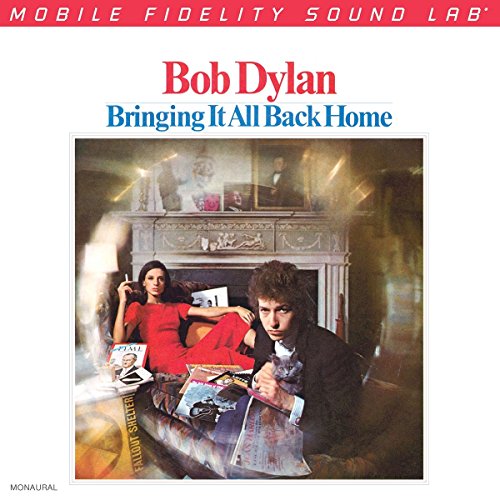
When considering collecting and valuing mono versus stereo albums, it’s important to know the distinct features of each format. Mono pressings, like Bob Dylan’s *Original Mono Recordings*, often carry higher collectibility due to their authenticity and historical significance. Collectors enjoy the unique audio quality, especially in genres like jazz and early rock. Stereo versions, while they offer a broader soundstage, may not be available for every album, making unique pressings more valuable. Condition, rarity, and scarcity play a significant role in determining an album’s worth. Recent reissues can add to this dynamic, often improving listening experience with better audio quality. Always research and compare before buying; this knowledge enhances collection enjoyment without risking buyer’s remorse.
Recommended Products
![In Mono [14 LP Box Set]](https://m.media-amazon.com/images/I/41IzH6IEY1L._SL500_.jpg)

ANNIVERSARY EDITION: Celebrate 45 years of KISS's iconic 'Destroyer' album with this Super Deluxe Edition featuring 6 premium 180-gram black vinyl LPs

Frequently Asked Questions
What Is the Difference Between Mono and Stereo Pressing?
Mono pressings deliver a unified vinyl sound, emphasizing clarity, while stereo enhances audio quality through spatial separation. Diverse mixing techniques shaped their recording history, impacting listener perception across music genres and requiring compatible playback equipment based on pressing methods.
Did the Beatles Prefer Mono or Stereo?
The Beatles preferred mono for their early recordings, valuing its mixing advantages and focused sound. While they later explored stereo soundscapes, their album preferences and historical audio formats continue to fuel fan debates on sound.
Is It Better to Use Mono or Stereo?
Choosing between mono and stereo depends on individual hearing preferences and personal taste. While vintage records often excel in audio clarity, modern listeners typically favor stereo for its richer sound quality across diverse music genres.
What Is the Best Audio Format for Vinyl?
The best audio format for vinyl largely hinges on personal preference, with vinyl audio quality and pressing techniques influencing sound quality. Mono excels in clarity, while stereo enhances soundstage perception, enriching the overall listening experience within a record collection.