As an Amazon Associate, we earn from qualifying purchases. Some links on this site are affiliate links at no extra cost to you. Our recommendations are based on thorough research and editorial judgment.


The Science of Stereo Sound on Vinyl

The science of stereo sound on vinyl revolves around how grooves capture audio. Each groove, measuring about 0.04 to 0.08 mm, holds audio information. The stylus, often made from diamond, converts these grooves into sound. It’s vital to understand various components like cartridges and their role in sound clarity. Additionally, mastering techniques adjust audio for vinyl playback. There’s more to explore about the differences in sound quality and how to build a vinyl collection.
Key Takeaways
- Stereo sound on vinyl is achieved by recording right-channel audio on the outer side of the groove, enhancing spatial audio quality.
- Groove geometry influences how sound waves are captured, impacting overall fidelity during playback.
- Mastering techniques adjust frequency responses to ensure a balanced stereo field without distortion, crucial for vinyl sound reproduction.
- High-quality cartridges, including those from Ortofon, enhance sound clarity by effectively converting mechanical vibrations into electrical signals.
- Advanced turntable designs minimize vibrations and optimize audio fidelity, providing a clear stereo listening experience.
The Groove: Anatomy of Sound Capture
You may be interested


When exploring the groove of a vinyl record, it is important to understand how it captures sound. The grooves measure approximately 0.04 to 0.08 mm in width. This variation directly correlates to the levels of the audio signal recorded. If you could unravel it, a 12-inch LP’s groove would span about 500 meters. Each groove is intricately designed, with the right-channel audio on the outer side. Both sides of the groove are perpendicular, allowing for precise sound wave capture. As the stylus moves through these grooves, it creates vibrations that carry the audio signal. This groove geometry is essential, as it directly impacts audio quality, reflecting the fidelity of the original sound waves during playback. Advanced stylus shapes improve detail extraction, enhancing the precision and quality of the sound captured from these grooves.
The Role of the Stylus and Cartridge

The stylus and cartridge are essential components in the vinyl playback process. The stylus tip, often made from hard materials like industrial diamond, navigates the grooves of the record. It translates mechanical vibrations into audio frequencies that we hear. Different stylus shapes can greatly influence sound reproduction quality, so choosing the right one matters. The cartridge, which houses the stylus, transforms these mechanical movements into electrical signals using either moving magnet (MM) or moving coil (MC) technology. MM cartridges are common and easy to replace, while MC cartridges provide superior sound quality but can be pricier and more delicate. Both the stylus and cartridge’s effectiveness highly impacts clarity and detail in your listening experience. Ortofon cartridges, known for their high-quality stylus options, further enhance audio clarity and detail, making them a top choice for both beginners and audiophiles.
Recommended Products

Retro-Inspired Full-Size Jukebox with Modern Features: Bring timeless charm to your space with the ARKROCKET Saturn V Jukebox, a full-size jukebox standing 62 inches tall. Featuring a stunning retro design with a vintage oak wood finish, it's a show-stopping centerpiece perfect for music lovers.

Top-notch turntable: The 3-speed turntable on this jukebox is equipped with a rocket dynamic magnetic needle and automatic return arm, ensuring that your vinyl records sound clear and crisp. You can play all your favorite records with ease and enjoy a true vintage listening experience.
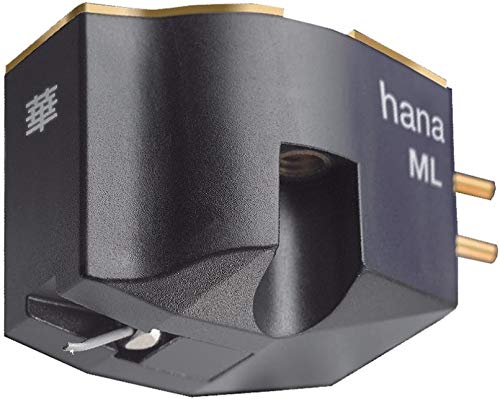
ML: LOW-OUTPUT VERSION. Hand-Made Hana MH and ML Moving-Coil Cartridges Offer Outrageously Good Performance: Precisely Fit into Vinyl Grooves, Extract Rich Detail, Provide Stellar Damping, Play with Lush Linearity Higher-specifications parts, extra-pure copper wiring, Delrin cartridge bodies, cryogenically processed materials, and threaded headshell fittings all equate to deluxe performance from Hana M Series MH and ML moving-coil cartridges.
Audio Mastering Techniques for Vinyl

Mastering audio for vinyl is a careful process that transforms recordings into grooves. Mastering engineers adjust equalization (EQ) to counter the medium’s limitations. They focus on balancing bass and treble to avoid distortion, ensuring that the stylus navigates the grooves smoothly. To maintain a broad dynamic range, engineers typically use analog master tapes, avoiding excessive compression for clarity. The frequency response for vinyl records usually captures audio from 20 Hz to 20 kHz. Higher frequencies might need tighter groove spacing, while lower ones benefit from wider grooves. Each groove measures approximately 0.04-0.08mm wide, and its depth depends on the sound’s frequency and amplitude. Vinyl record frames are essential for showcasing music collections stylishly, contributing to the overall presentation and preservation of vinyl records. This meticulous process guarantees that the final product closely resembles the original recording.
Differences Between Analog and Digital Sound

While many audiophiles passionately debate the merits of sound quality, it’s important to understand the key differences between analog and digital sound. Analog sound captures continuous sound waves, creating a seamless representation of the original waveforms. This is particularly seen in vinyl records, where physical grooves represent detailed frequency and amplitude variations. In contrast, digital formats record audio at discrete intervals, which can lead to a loss of depth and nuance. While vinyl typically captures a frequency range from 20 Hz to 20 kHz, some digital formats might not utilize this range fully. Furthermore, vinyl’s dynamic range generally falls between 55-70 dB, whereas high-quality digital formats can achieve over 96 dB, showcasing significant differences in audio fidelity. Regular maintenance, such as ensuring optimal sound quality, is vital for preserving the longevity and value of vinyl records.
Factors Influencing Vinyl Sound Quality

Understanding the factors influencing vinyl sound quality can greatly enhance the listening experience for enthusiasts and newcomers alike. The grooves on a vinyl record, approximately 0.04-0.08mm wide, play an important role in capturing sound accurately. A record’s dynamic range, usually between 55-70 dB, is lower than that of CDs and can affect sound clarity. Mastering techniques are essential; balancing bass and avoiding excessive compression prevent distortion during playback. Additionally, the fidelity of the original recording impacts the final product. Finally, pressing quality is significant; modern methods like Direct Metal Mastering improve groove precision. By considering these elements, listeners can appreciate the rich world of vinyl sound much more thoroughly. Acrylic turntable mats can further enhance sound quality by providing tighter bass and clearer audio, making them a valuable accessory for vinyl enthusiasts.
Recommended Products

VINYL MAKES A MAGNIFICENT COMEBACK – The warmth of analog music supersedes all digital forms. Marantz brings alive the old school charm with its Reference Series TT-15S1 Turntable (33 1/3 & 45 rpm) – an absolute stunner for your treasured albums
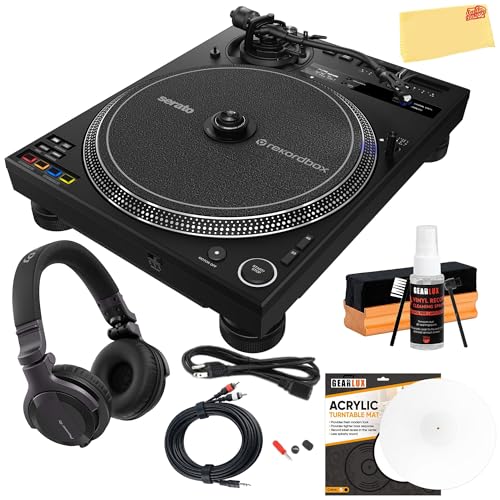
SKIP-FREE DVS PLAYBACK: The Pioneer DJ turntable uses a special DVS control system without a tone arm, along with the Magvel Clamp, ensuring smooth, skip-free performance during digital vinyl mode, even when scratching heavily

EXCEPTIONAL SOUND PERFORMANCE - Savor the ultimate listening experience by pairing a fully loaded high fidelity turntable with endlessly versatile, room-filling 120-watt powered bookshelf speakers
Notable Vinyl Pressing Techniques
Vinyl pressing techniques play a crucial role in producing high-quality audio recordings. Notable vinyl pressing techniques include Direct Metal Mastering (DMM), which cuts grooves into a metal plate. This method offers precise and durable sound, improving overall audio fidelity. The process also utilizes high-precision hydraulic presses, ensuring consistent pressure and temperature during vinyl molding. Additionally, innovative materials like UV-cured lacquers enhance clarity compared to traditional options. Computer-controlled lathes allow for intricate groove designs, further elevating playback quality. Finally, strong quality control measures, including visual inspections and sample testing, help catch defects before the final product reaches listeners. These steps guarantee that each record provides an ideal listening experience, so every note is crisp and clear. To achieve pristine sound quality, vinyl record vacuum cleaners are essential for removing dust and grime effectively from the surface of the records.
Recommended Products

【Intelligent Path Optimization Algorithm】A powerful blend of a quad-core 1.8GHz CPU, 15 sensors, and AI algorithms. This robotic pool cleaner maps your above-ground or in-ground pool with precision, optimizes every cleaning path, and navigates even the most complex environments effortlessly - all thanks to SonicSense obstacle avoidance.
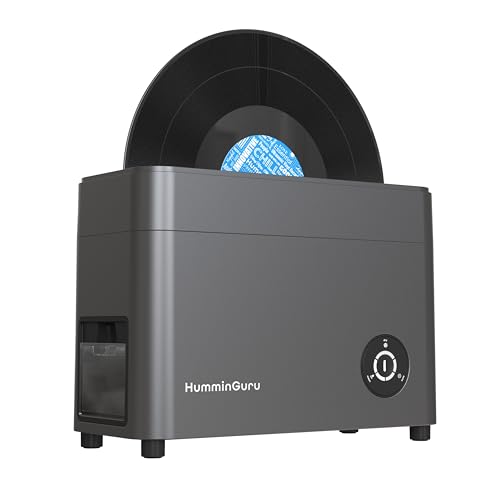
Audiophile-Safe 40kHz Ultrasonic Vinyl Record Cleaner: Engineered with dual transducers and a single-unit closed-loop stainless steel basin for maximum energy efficiency. With a precisely calibrated ratio of power, frequency, and 10mm proximity distance, it ensures maximum deep-groove dirt removal with zero risk of record damage. Acclaimed by leading audio publications and trusted by thousands of vinyl collectors worldwide, it delivers safe, contactless lp cleaning for long-term record preservation.

Quiet, powerful suction cleaner; works with low-speed pumps for maximum efficiency.
Building a Quality Vinyl Collection
Building a quality vinyl collection starts with knowing what to look for. Focus on acquiring iconic records known for superior audio quality, like Pink Floyd’s *The Dark Side of the Moon*. Limited edition pressings and colored vinyl often have extra aesthetic appeal. Don’t forget to maintain your vinyl; use anti-static brushes and store records vertically in a cool, dry place to prevent damage. Check local record stores, estate sales, and online marketplaces for rare finds; dedicated collectors often trade high-quality vinyl. Additionally, pay attention to the pressing plant’s reputation, as it directly affects sound fidelity. A well-curated collection not only enhances audio quality but also provides enjoyment for years to come. Remember to protect against dust and spills using a quality dust cover to preserve your collection in pristine condition.
Recommended Products


SUPERIOR SOUND QUALITY - Experience crystal-clear audio with Yamaha's advanced amplifier technology, delivering exceptional fidelity and immersive sound for all your audio sources.

The Etymology and Evolution of Stereophonic Sound
A fascinating aspect of audio technology is the evolution of stereophonic sound. The term “stereophonic” derives from Greek words meaning “solid sound,” reflecting how audio systems create a multi-directional listening experience. Clément Ader first demonstrated a two-channel audio system in 1881, but major developments came from Alan Blumlein in the 1930s. Early stereo recordings, like those from the Philadelphia Orchestra in 1932, offered enhanced sound compared to mono. The evolution continued with innovations in film, such as Fantasound in 1940, which improved cinematic audio. In 1977, Dolby Stereo transformed films by making stereo sound more accessible. Today, when enjoying vinyl, listeners can appreciate the rich layers of recorded sound thanks to these advancements in stereophonic technology. Over recent years, high-fidelity sound has become a key focus for audiophiles, with the market offering advanced turntables that cater to this preference.
The Impact of Vinyl on Modern Audio Experiences
While exploring modern audio experiences, one might notice the substantial impact of vinyl records. Vinyl enthusiasts appreciate the warmth and depth of the sound that vinyl provides. This unique auditory experience comes from the mechanical energy in the grooves, translating into rich musical tones. Record players play an essential role in this process, converting the physical grooves into electrical signals. Each player’s quality can vary based on stylus shape and cartridge type, appealing to different preferences. Advanced vinyl pressing techniques like Direct Metal Mastering (DMM) enhance audio fidelity, making new releases crisp and engaging. Additionally, handling vinyl discs and enjoying their artwork creates a tactile connection that digital formats simply cannot match, resulting in a more immersive listening ritual. A CNC-machined plinth is often used in turntables to reduce vibrations and enhance audio fidelity, further intensifying the listener’s experience.
Frequently Asked Questions
How Does Vinyl Have Stereo Sound?
Vinyl achieves stereo sound through grooves that encode separate audio information for each channel. Needle tracking detects these variations, producing sound waves that enhance audio fidelity and create immersive stereo imaging, enriching the listening experience.
Does Music Actually Sound Better on Vinyl?
Vinyl envelops listeners in a nostalgic embrace, offering analog warmth that enhances the listening experience. Its sound fidelity, influenced by careful needle tracking and record longevity, often captivates enthusiasts seeking unparalleled emotional depth in music.
Is Stereo or Mono Better for Vinyl?
Determining whether stereo or mono is better for vinyl often hinges on personal preferences. Stereo typically enhances sound quality and listening experience, while mono offers advantages in certain genres, providing a distinct music format worth considering.
What Is the Science Behind Vinyl Records?
The science behind vinyl records involves an analog signal produced through a meticulously designed groove structure, affecting frequency response, enabling sound reproduction, with needle tracking essential for accurate playback and preserving the audio’s integrity.