As an Amazon Associate, we earn from qualifying purchases. Some links on this site are affiliate links at no extra cost to you. Our recommendations are based on thorough research and editorial judgment.


Understanding Tracking Force and VTF

Vertical Tracking Force (VTF) indicates how much weight the stylus puts on a vinyl record. Proper VTF settings usually range from 1.5 to 2.5 grams. This helps avoid skipping and prevents wear on both the record and stylus. To measure VTF precisely, use a stylus force gauge. Always level the turntable and apply weight gently. Making small adjustments can enhance sound clarity. Understanding VTF can greatly improve your listening experience, so there’s more to discover about fine-tuning it.
Key Takeaways
- Vertical Tracking Force (VTF) is the pressure exerted by the stylus on vinyl records, crucial for preventing skipping and ensuring sound quality.
- The ideal VTF range is typically between 1.5 and 2.5 grams, but can vary based on cartridge type and compliance.
- Proper VTF aids in reducing record wear and enhances audio fidelity, contributing to an improved listening experience.
- Accurate VTF measurement requires tools like stylus force gauges and adjustments in 0.1g increments for optimal calibration.
- Regularly check and adjust VTF according to manufacturer guidelines to avoid distortion and protect both records and the stylus.
What Is Vertical Tracking Force (VTF)?
You may be interested



Vertical Tracking Force (VTF) is an important concept for anyone using a turntable. It refers to the downward pressure that the stylus exerts on the vinyl record. For ideal performance, VTF is generally recommended to be between 1.5 and 2.5 grams. Getting this right is vital. If the VTF is too low, the stylus may skip, ruining your listening experience. Conversely, too high of a VTF can damage both the record and the stylus. Manufacturers usually provide specific ranges for their cartridges, so always check those. To accurately measure VTF, use a digital scale. This simple tool guarantees precise adjustments and helps preserve the lifespan of your records and stylus, along with improving audio fidelity. Turntable weight stabilizers can further enhance sound quality and minimize vibrations, making them a valuable addition for serious vinyl enthusiasts.
The Importance of Proper VTF Settings

Guaranteeing proper VTF settings is essential for maintaining the quality of your vinyl playback. The vertical tracking force, typically recommended between 1.5 to 2.5 grams, helps prevent record skipping. When VTF is too low, the stylus may not sit correctly, causing increased wear on both the vinyl and the stylus. On the other hand, excessive VTF can overload the cartridge, leading to distortion and further damage. To avoid these issues, it’s advisable to use a digital scale for precise measurement. This eliminates guesswork and guarantees accurate adjustments. Regularly checking and adjusting VTF according to manufacturer guidelines preserves the lifespan of your records and stylus. Cartridges with replaceable styli offer longevity and upgrade potential, ensuring that both the cartridge and records are well-maintained over time. A little attention to VTF can go a long way in enjoying your favorite albums.
Factors Influencing VTF Adjustments

Maintaining the right VTF settings is important, but various factors can influence how those adjustments are made. The recommended vertical tracking force (VTF) for cartridges typically ranges from 1.5 to 2.5 grams. Higher compliance cartridges may require different settings compared to standard models. Before fine-tuning the VTF, be sure to adjust the anti-skating settings first. An unbalanced setup can lead to distortion, negatively impacting sound quality. Using a digital scale can help you achieve precise VTF measurements, making it easier to avoid guesswork. Additionally, test records with high-velocity tracks can show if the VTF is ideal. If you hear distortion, it may be time for further adjustments. It’s also essential to keep the turntable receiver dust-free with regular cleaning using a microfiber cloth to ensure optimal performance.
Recommended Products
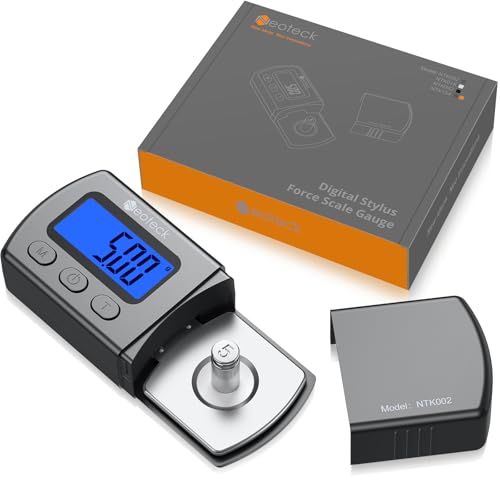
Essential Tool for Vinyl Enthusiasts: For those dedicated to the art of vinyl playback, this cartridge tracking force scale is indispensable.It ensures optimal sound quality and protects your valuable records and turntable investment.Neoteck tracking force gauge accurately measures the tracking force or downward pressure, ensuring the protection of your vinyl collection, precise sound reproduction and prolonged turntable lifespan

Essential Tool for Vinyl Enthusiasts:For those dedicated to the art of vinyl playback, this cartridge tracking force scale is indispensable.It ensures optimal sound quality and protects your valuable records and turntable investment.Neoteck upgraded tracking force gauge accurately measures the tracking force or downward pressure, ensuring the protection of your vinyl collection, precise sound reproduction and prolonged turntable lifespan

A Professional digital stylus tracking force scale designed for vinyl record purist's interested in precise measurement of vertical tracking force (VTF) at the correct vertical tracking angle (VTA). When used with the detachable cantilevered extension arm, the scale closely approximates the vertical position of the stylus on the surface of a vinyl record when it is playing on a turntable - providing accurate “record-level” measurements.
How to Measure VTF Accurately

How can one accurately measure the vertical tracking force (VTF) of a turntable cartridge? Start by using a stylus force gauge specially designed for turntable calibration. This digital scale reduces guesswork and gives precise readings. First, level your turntable with a bubble level. An unbalanced surface can cause measurement errors. Next, zero the scale to guarantee it reads zero grams with no weight applied. Carefully lower the stylus onto the scale’s measuring area, avoiding any extra pressure that could skew the reading. Once you have the VTF measurement, adjust the tonearm’s counterweight or tracking force mechanism if needed. Aim to match your setup to the recommended VTF for maximum performance. Consider investing in diamond-tipped styluses for improved sound quality and durability, which can extend the performance longevity of your setup.
The Relationship Between VTF and Sound Quality

While many music lovers might assume that any tracking force will do, the relationship between Vertical Tracking Force (VTF) and sound quality is vital. Using a digital scale, you can achieve accurate VTF by following a step-by-step guide from your cartridge manufacturer. The recommended range is typically between 1.5 to 2.5 grams. Please include this vital detail when setting up your stylus. Even though increasing VTF might initially reduce distortion in low frequencies, overdoing it can negatively affect all frequencies. It’s important to test with specialized test records, as improper VTF can increase Total Harmonic Distortion (THD). Tonearm design also plays a role; misaligned parts can worsen sound quality, especially if VTF is incorrect. To maintain the best audio quality, consider using an ultrasonic record cleaner to keep your vinyl records in pristine condition.
Adjusting VTF for Different Cartridge Types
Understanding how to adjust Vertical Tracking Force (VTF) is important when using different types of cartridges. Each cartridge type has specific VTF settings. For Moving Magnet (MM) cartridges, aim for a range of 1.75g to 2.0g. In contrast, Moving Coil (MC) cartridges work best at 1.5g to 2.0g. Higher compliance cartridges may need higher VTF to prevent skipping, while lower compliance models can use lower VTF to reduce wear. Using a digital scale made for turntables accurately measures VTF. This allows you to adhere to manufacturers’ recommendations. Remember, always pair VTF adjustments with anti-skating calibration for the best sound. It’s important to use user-friendly protractors to ensure precise cartridge alignment, which enhances sound quality and protects your records. Following these steps guarantees better performance and longevity of both your records and stylus.
Recommended Products

Mirrored cartridge alignment protractor provides improved visibility for cartridge alignment

Precision Calibration for Turntables: The Turntable Phono Cartridge Stylus Alignment Protractor Tool ensures impeccable sound experiences by offering precise calibration for your vinyl record player

All-Inclusive Kit: Each kit comes with a turntable stylus digital scale and Premium PE Case. With our alignment protractor, digital scale VTF gauge block, and protective EVA case, you have all the record player accessories you need to align your cartridge.
The Role of Anti-Skate in VTF Calibration
Anti-skate plays an essential role in achieving peak sound quality when setting up a turntable. This mechanism counteracts the inward force on the cartridge, helping to maintain proper alignment. To perform an effective anti-skate adjustment, it is common practice to set the anti-skate force equal to the vertical tracking force (VTF). For example, if the VTF is 2 grams, set the anti-skate to the same value. Insufficient anti-skate can cause the stylus to skate toward the inner groove, leading to distortion. Conversely, too much anti-skate can create wear on the outer groove. Observing the cartridge movement as you lower the stylus can help tune the anti-skate for ideal performance without distortion. Fine-tuning is key! Regular replacement of the stylus, especially with an elliptical stylus type, can significantly enhance audio quality by providing improved tracking and sound clarity.
Common Mistakes in VTF Setup
Proper vertical tracking force (VTF) setup is essential for enjoying quality sound during vinyl playback. Many beginners overlook the cartridge manufacturer’s recommended VTF range. Ignoring these guidelines can damage both the stylus and records, affecting the stylus lifespan. Before fine-tuning VTF, verify the anti-skating force is also adjusted. Failing to do so may cause distortion, especially on fast tracks. Relying on ear-based adjustments is unreliable; instead, use proper tools for accurate results. Always align the tonearm correctly and level the turntable before making adjustments. Finally, understand that cartridge compliance can affect VTF settings, leading to improper tracking. Proper attention to these details can help maintain your equipment and enhance your listening experience. Using a durable ruby stylus can also extend the lifespan of your turntable setup by providing professional sound quality and improved tracking capabilities.
Using Test Records for VTF Optimization
While it may seem challenging, using test records for Vertical Tracking Force (VTF) optimization is a straightforward way to enhance vinyl playback. Start by selecting a test record that features tones measured at 12dB over 0 dB modulation. As you adjust the VTF, listen for distortion on high-velocity tracks. This can help guide you in finding the proper tracking force. If one channel distorts, it may indicate incorrect settings. Also, remember that distortion on high-frequency tracks could mean anti-skating isn’t adjusted right. By comparing tracks, you can measure Total Harmonic Distortion (THD) across different tracking forces. This process aids in identifying the VTF that minimizes distortion, ensuring a clearer, more enjoyable listening experience. Regular maintenance and deep cleaning at specified intervals enhance audio clarity and record lifespan.
Recommended Products

includes test disc + instructions

Safely clean and preserve your record collection — Our record cleaning fluid is safe to use on all types of vinyl (including shellac records). Contains modern anti-static agents and leaves no residue.

Protect and Enjoy Your Valuable Records
Advanced Techniques for Fine-Tuning VTF
Fine-tuning Vertical Tracking Force (VTF) can greatly improve the quality of vinyl playback. To begin, use a test record featuring a tone at 12dB over 0 dB modulation. This helps make precise VTF calibration adjustments, enhancing sound clarity. Next, adjust the anti-skating mechanism. Fine-tune your VTF to balance Total Harmonic Distortion (THD) across all frequencies. Employ a digital stylus force gauge for accurate measurements; this tool offers essential precision for peak cartridge performance. Make small adjustments, ideally in 0.1g increments, as even minor changes can impact sound quality. While playing, monitor distortion levels. If you hear distortion, refer back to your adjustments. Remember, perfecting VTF can take time, but your patience will pay off in richer sound. Elliptical diamond tips significantly improve sound fidelity while minimizing record wear, providing a more enjoyable listening experience.
Recommended Products

High Precision Stylus Gauge Accurate to 0.01g for Perfect Stylus Force Adjustment

Essential Tool for Vinyl Enthusiasts: For those dedicated to the art of vinyl playback, this cartridge tracking force scale is indispensable.It ensures optimal sound quality and protects your valuable records and turntable investment.Neoteck tracking force gauge accurately measures the tracking force or downward pressure, ensuring the protection of your vinyl collection, precise sound reproduction and prolonged turntable lifespan
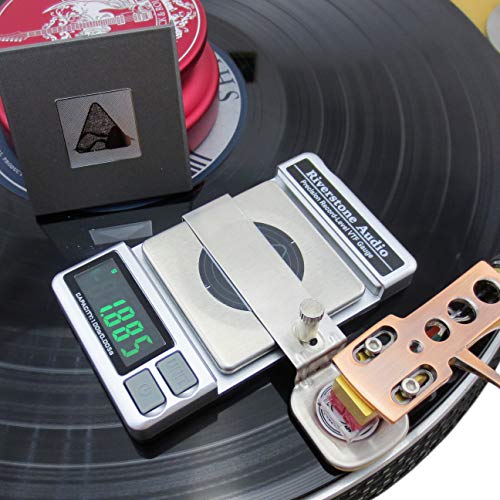
A Professional digital tracking force scale designed for vinyl record purist's interested in precise measurement of vertical tracking force (VTF) at the correct vertical tracking angle (VTA). When used with the detachable cantilevered extension arm, the scale closely approximates the vertical position of the stylus on the surface of a vinyl record when it is playing on a turntable - providing accurate “record-level” measurements.
Resources for Further Learning on VTF and Cartridge Setup
Many resources are available to help individuals understand Vertical Tracking Force (VTF) and cartridge setup. Educational materials like downloadable guides provide step-by-step instructions on how to measure and adjust VTF accurately. A digital scale is essential for precise measurements, ensuring your turntable is set correctly. Before measuring, make sure the turntable is level. Familiarize yourself with your scale’s tare function, as this can affect readings. Remember, the anti-skating mechanism should match the tracking force for ideal playback quality. Additionally, various professional services can offer personalized assistance if you need extra help. By exploring these resources, users will enhance their knowledge and skills, leading to better sound quality and improved record care.
Frequently Asked Questions
What Is a Good Tracking Force for a Turntable?
The ideal range for turntable tracking force is typically between 1.5 to 2.5 grams, a domain where sound quality dazzles and records thrive. Deviating from this could lead to disastrous consequences, like skipping and excessive wear.
How Does VTF Affect Sound?
VTF directly influences sound quality; appropriate stylus pressure can minimize distortion in playback. Incorrect settings may enhance low frequencies while compromising highs, highlighting the importance of calibration for achieving an ideal balance in audio performance.
What Happens if the Tracking Force Is Too Low?
When tracking force is too low, the stylus may hover precariously above the groove, causing potential groove damage. This instability leads to skips and distortion, undermining audio quality and increasing wear on both stylus and records.
What Is the Correct VTA for a Turntable?
The correct VTA for a turntable is typically around 20 degrees. VTA adjustment is essential for ideal stylus alignment, improving sound quality and reducing record wear through careful calibration based on various influencing factors.