As an Amazon Associate, we earn from qualifying purchases. Some links on this site are affiliate links at no extra cost to you. Our recommendations are based on thorough research and editorial judgment.


The Environmental Impact of Vinyl Production

Vinyl production has significant environmental impacts. Each record releases about 1.15 kg of CO2 during its creation. This adds up, as vinyl, cassettes, and CDs historically produced over 140 million kilos of greenhouse gases annually. Remarkably, only about 7% of PVC used in the U.S. gets recycled, worsening plastic waste. However, after around 20 listens, vinyl can become eco-friendlier than streaming. Interested in sustainable alternatives or solutions? There are exciting developments in eco-friendly materials.
Key Takeaways
- Vinyl production generates approximately 1.15 kg of CO2 emissions per record, contributing to greenhouse gas pollution.
- Only about 7% of PVC is recycled annually in the U.S., complicating waste disposal and increasing environmental impact.
- Vinyl records require non-biodegradable packaging, adding to environmental waste and pollution problems.
- Alternative materials like Green Vinyl and biovinyl are being developed to reduce the carbon footprint of record production.
- Listening to vinyl becomes more eco-friendly after about 20 plays, making it a sustainable choice compared to streaming services.
Understanding Vinyl Records
You may be interested



Vinyl records, often cherished for their rich sound quality, are made from a type of plastic called polyvinyl chloride (PVC). This material comes from fossil fuels, raising concerns about carbon emissions during production. In fact, creating one vinyl record generates about 1.15 kg of CO2, similar to a pint of cow’s milk. Vinyl is a durable physical media that can last for decades if properly cared for. However, it typically uses non-biodegradable packaging, adding to environmental waste compared to other music formats like CDs. Unfortunately, only about 7% of PVC in the U.S. is recycled each year. This low recycling rate makes proper disposal and recycling of vinyl records challenging, contributing to their overall environmental impact. Additionally, the art of album covers plays a significant role in the cultural and historical value of vinyl records, yet often adds to the environmental footprint due to additional materials used in packaging.
Recommended Products

Maximum Transparency: Big Fudge offers the best way to exhibit your precious vinyl record collection with our crystal clear vinyl record sleeves. Made from high-density polypropylene, our sleeves are transparent and don’t cloud easily unlike industry standard sleeves that are made from polyethylene.

✅【 SUPERIOR QUALLITY RECORD PROTECTION】: Vinyl Record Sleeves to Get the Ultimate Protection for Your Precious Vinyl Albums: Collecting priceless vinyl records require not just your investment but your commitment. That's why you need the EVEO Vinyl Record Sleeves Outer. These superior quality plastic record sleeves help preserve each one of your vinyl record albums and protects them from the outside against dirt, dust, scratches, liquid stains & other elements that may ruin their condition
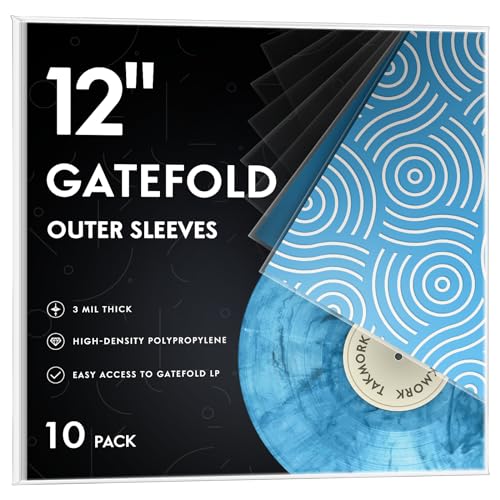
Vinyl Sleeves for Gatefold Records: The record outer sleeves feature openings at both ends for easy insertion of folded albums, allowing you to retrieve records directly, and easily for storing and displaying your precious albums;
The Environmental Concerns of Vinyl Production
The production of vinyl records raises significant environmental concerns that deserve attention. Vinyl records are primarily made from polyvinyl chloride (PVC), which involves damaging production processes. This contributes to greenhouse gas emissions, a contributing factor to climate change. Many PVC sources have histories of environmental abuse, impacting local waterways through toxic wastewater. Did you know that, historically, vinyl, cassettes, and CDs produced over 140 million kilos of greenhouse gases annually? Today’s rates exceed that figure. Unfortunately, effective management of vinyl waste is challenged by low recycling rates, with only about 27% of PVC waste being recycled. Record weights enhance sound quality by reducing skipping, vibrations, and unwanted noise, which contributes to an improved listening experience without exacerbating the environmental impact. These alarming facts highlight the urgent need for awareness and action regarding the environmental impact of vinyl production and its associated concerns.
Recommended Products

COLLECTION STARTER lots can be used for vintage decoration, as party items or unique gifts

✔ THE ORIGINAL - Original design, simple and practical

❤ POLISH WITH KARMA – Made in the USA, our polishes use a natural formula that is fast drying, non-yellowing, and gentle on your nails.
Pros and Cons of Vinyl Records

While exploring the pros and cons of vinyl records, one might discover that these classic music formats come with both notable benefits and significant drawbacks. Vinyl records offer improved sound quality, enhancing the listening experience compared to streaming music. However, their production relies on PVC, which generates about 1.15 kg of CO2 emissions per record. This contributes to the carbon footprint and environmental impact of music consumption. Additionally, vinyl requires dedicated storage and maintenance, unlike more convenient digital formats. While only about 27% of PVC waste is recycled, the environmental impact decreases after around 20 listens, making vinyl more eco-friendly than streaming. Eco-friendly cleaning solutions are available to help preserve the longevity and sound quality of vinyl records, reducing the need for frequent replacements. Weighing these factors helps those in the recording industry and casual listeners make informed choices.
Recommended Products

【Remove Static & Dust】-- Vinyl record cleaning solution remove dust, debris, fingerprint, deep cleaning the record, and save you from the annoying pop and clicks. Anti-static formula can also remove static and reduce charge accumulation.

OFFICIAL REFILL FOR BIG FUDGE 4-in-1 RECORD CLEANING KIT - Don't settle for less. If you've purchased our Cleaning Products in the past, you know this stuff works wonders.

Vinyl Cleaning Kit: Eliminate dust, dirt, and fingerprints with our ultra-soft velvet brush and XL cleaning solution in this vinyl cleaner, ensuring your favorite vinyl records play smoothly and maintain optimal sound
Sustainable Alternatives and Solutions

Exploring sustainable alternatives to traditional vinyl production can spark hope for music lovers and environmental advocates alike. Record manufacturers are developing options like Green Vinyl and biovinyl, made from recycled materials. For example, Deepgrooves specializes in biovinyl that reduces production emissions while delivering high sound quality. Billie Eilish’s commitment to pressing her album on 100% recycled LPs highlights a shift toward sustainable practices in the industry. Additionally, encouraging recycling programs for vinyl records helps minimize waste and promotes sustainability. As consumer demand for environmentally friendly options grows, costs for these sustainable alternatives may decrease. Embracing these innovations not only benefits personal collections but also supports a healthier planet. Consider supporting artists who prioritize eco-friendly practices in their production process.
Recommended Products

COLLECTION STARTER lots can be used for vintage decoration, as party items or unique gifts

Pack & Size: You will receive 10 pieces of blank vinyl records without stickers, and each vinyl record wall decor measures about 12 inches/ 30 cm in diameter, which is the right size for wall and party decoration to catch the attention of friends and guests. The quantity enough your daily use or arts, crafts and DIY projects, and you can share them with your family and friends.

Comparing Vinyl and Digital Music Consumption
When comparing vinyl and digital music consumption, it’s important to first understand the differences in their environmental impacts. Vinyl records produce about 1.15 kg of carbon dioxide per unit during their energy-intensive production process. This is comparable to the carbon footprint of a pint of cow’s milk. In contrast, streaming services generate around 55 grams of CO2 per hour. Although frequent streaming leads to greater annual emissions, listening to a physical album on vinyl can become more eco-friendly after about 20 listens. New options like eco vinyl, made from recycled materials, are emerging to mitigate some environmental impact. Shifting to renewable energy in production could further reduce greenhouse gas emissions, benefiting both music consumption and the planet. Additionally, using vinyl stabilizers can enhance the longevity of records and turntables, contributing to sustainable music consumption.
Recommended Products

music

Liam and John have been friends for years but when Liam invited John to join him on stage at Knebworth in 2022 it reignited a long-running ambition of writing and recording an album together. The demos were written at John’s home studio in Macclesfield and then recorded with legendary producer, Greg Kurstin and mixed by Spike Stent. Joey Waronker (Atoms for Peace, Beck, R.E.M.) plays drums on the album.

𝗣𝗿𝗲𝗺𝗶𝘂𝗺 𝗤𝘂𝗮𝗹𝗶𝘁𝘆 - Our Vinyl Record Jackets are made from 350gsm white cardboard, providing a sturdy and durable protection for your valuable LP vinyl records.
Frequently Asked Questions
Is Vinyl Material Bad for the Environment?
Vinyl material poses environmental challenges due to production emissions, toxic additives, and recycling difficulties. Sustainable alternatives exist, but consumer awareness remains essential; addressing these issues may improve vinyl’s ecological footprint and promote biodegradable options within regulations.
Is Vinyl Printing Eco-Friendly?
Vinyl printing is not inherently eco-friendly. While using eco-friendly inks and recyclable materials can mitigate impacts, concerns about production waste, carbon emissions, and limited biodegradable options highlight the need for sustainable alternatives and improved vinyl disposal methods.
What Is the Carbon Footprint of a Vinyl Record?
What factors truly determine a vinyl record’s carbon footprint? Carbon emissions fluctuate due to production methods, energy consumption, material sourcing, and transportation impact, alongside recycling possibilities and lifespan durability, ultimately reflecting consumer behavior’s role in climate change.
Is Vinyl Greener Than Music Streaming?
Vinyl offers nostalgic sound quality, potentially outperforming streaming in sustainability after multiple listens. However, digital convenience raises concerns over resource depletion and transportation emissions, necessitating improved waste management and consumer behavior shifting towards sustainable practices amidst evolving market trends.