As an Amazon Associate, we earn from qualifying purchases. Some links on this site are affiliate links at no extra cost to you. Our recommendations are based on thorough research and editorial judgment.


How Cartridge Alignment Affects Sound

Cartridge alignment is essential for good sound quality. Proper alignment minimizes distortion and guarantees a clear audio signal. Keeping the Vertical Tracking Angle (VTA) around 20 degrees helps maintain clarity. Make sure the tracking force falls between 1.75g and 2.0g to avoid damaging your records. Adjusting the anti-skate to match the tracking force can reduce wear on the stylus. Small mistakes can impact sound considerably, but learning how to avoid them can greatly improve your experience.
Key Takeaways
- Proper cartridge alignment minimizes tracking errors and distortion, resulting in clearer audio performance and better signal transmission.
- Misalignment increases intermodulation distortion (IMD), adversely affecting sound quality and damaging both stylus and vinyl records.
- Correctly adjusting the Vertical Tracking Angle (VTA) and Stylus Rake Angle (SRA) enhances clarity and frequency response, ideally around 20 degrees.
- Accurate stylus overhang and zenith alignment reduce tracking errors, enhancing audio fidelity and preserving vinyl records over time.
- Regular checks and adjustments of tracking force and anti-skate settings are essential for optimal sound quality and minimizing wear on records.
The Importance of Proper Cartridge Alignment
You may be interested



Proper cartridge alignment is vital for anyone who enjoys vinyl records. When the cartridge is misaligned, it can cause tracking errors that lead to distortion and poor sound quality. This happens because the stylus may not contact the groove correctly, which can create excessive wear on both the stylus and the record. To achieve proper alignment, audiophiles should utilize alignment tools like protractors. It’s important to set the Vertical Tracking Angle (VTA) and Stylus Rake Angle (SRA) correctly, ideally around 20 degrees. Misalignment can also increase intermodulation distortion (IMD), degrading the listening experience. By taking the time to guarantee accurate cartridge alignment, enthusiasts can greatly enhance sound clarity and prolong the life of their vinyl collection. Additionally, using cartridges with replaceable styli offers longevity and upgrade potential, allowing audiophiles to maintain optimal sound quality over time.
Understanding Tracking Force and Its Impact

Following proper cartridge alignment, understanding tracking force is another key aspect of achieving great sound from vinyl records. Vertical Tracking Force (VTF) is typically recommended between 1.75g to 2.0g. This range guarantees ideal stylus performance and protects your records. Insufficient tracking force can lead to distortion and damage by poorly seating the stylus in the groove. On the flip side, too much tracking force can harm the cartridge’s suspension, also causing sound issues and excess wear. A light pressure of 1.5 grams translates to approximately 340 pounds per square inch on the stylus’s contact area. To attain the right settings, use a digital stylus force gauge for accurate calibration, promoting better sound during playback. Using turntable weight stabilizers can further enhance sound quality by minimizing vibrations and resonance, thus optimizing playback.
The Role of Anti-Skate in Sound Quality

When setting up a turntable, understanding the role of anti-skate is crucial for achieving ideal sound quality. Anti-skate bias helps counteract the inward pull that moves the cartridge toward the center of the record. It is common practice to set anti-skating equal to the tracking force; for instance, if your tracking force is 2g, set anti-skate to 2g as well. Insufficient anti-skate can lead to uneven stylus pressure, especially in inner grooves, causing distortion. Proper adjustment keeps the stylus in constant contact with the groove, aiding tracking and reducing wear. Remember, higher compliance cartridges may need different settings. Observing the cartridge while lowering the stylus allows for fine-tuning and guarantees smooth playback across the record. Neutrik connectors, known for their rugged construction, ensure reliable audio connections that contribute to an optimal setup.
Achieving Optimal Overhang and Zenith

Achieving ideal overhang and zenith alignment is essential for getting the best sound from a turntable. First, check your tonearm design to determine the recommended stylus overhang, typically between 15mm and 20mm. Use an alignment gauge to measure how far the stylus should extend beyond the cartridge body. This precise overhang guarantees the stylus maintains tangential contact, reducing tracking errors. It’s important to note that regular calibration of your turntable is crucial for maintaining high-fidelity sound reproduction and prolonging the lifespan of your vinyl records. Next, focus on zenith alignment. Rotate the cartridge slightly to keep the stylus contact at a perfect horizontal angle. This step reduces intermodulation distortion and enhances audio fidelity. Remember, even slight misalignments can affect sound quality. By paying attention to these adjustments, listeners can enjoy clearer and more accurate playback from their turntables.
The Significance of Azimuth Alignment

How important is azimuth alignment for turntable performance? Azimuth alignment affects how well the stylus contacts the groove walls during playback. Proper azimuth guarantees that audio signals travel equally to both channels, minimizing distortion and achieving balanced sound. When the alignment is off, you risk uneven stylus wear and degraded sound quality. This can lead to increased intermodulation distortion (IMD) and a less enjoyable listening experience. Using tools like the Fosgate Fozgometer, you can adjust the azimuth for ideal alignment. Remember, small adjustments can make a big difference. Pay close attention to channel separation and frequency response; these elements are essential for achieving that perfect sound. So, take your time to get it right! Additionally, advanced features such as anti-vibration systems and adjustable pitch control can further enhance the listening experience, ensuring that your turntable performs at its best.
Vertical Tracking Angle (VTA) Explained
Vertical Tracking Angle (VTA) plays an important role in turntable performance. It refers to the angle of the stylus in relation to the record groove. Ideally, this angle should be around 20 degrees for peak sound quality. To achieve correct VTA, you can adjust the tonearm by raising or lowering it. This guarantees that the playback stylus matches the cutting stylus used when the record was made. Factors like record thickness and stylus shape impact the VTA, making precise cartridge set-up essential. To fine-tune VTA, you can visually check against the record surface or use a digital microscope for accurate assessment. Proper alignment greatly improves sound clarity and frequency response. Happy listening!
Stylus Rake Angle (SRA) and Its Influence
Stylus Rake Angle (SRA) greatly affects how records sound. This angle, ideally around 20 degrees, impacts how the stylus interacts with the record groove. If the SRA deviates, distortion increases and tracking performance falters. Factors like stylus shape, record thickness, and tonearm design influence the SRA. To guarantee peak sound quality, adjust the angle correctly. Use an alignment gauge for visual inspection, helping you determine the angle. If you lack tools, a digital microscope works well to verify the SRA. Remember, proper adjustment minimizes tracking error, enhancing frequency response and reducing unwanted sound coloration. By taking these steps, you’ll improve your listening experience, making those vinyl records shine. Consider using cartridge alignment tools to ensure precise setup, as they are designed to enhance sound quality by reducing tracking errors. So get started; your ears will thank you!
Tools for Accurate Cartridge Alignment
Utilizing accurate cartridge alignment tools is vital for enhancing sound quality in vinyl playback. The Align It DS2 alignment gauge helps guarantee your stylus is perfectly aligned, minimizing distortion. Overhang adjustment tools, like those from Dr. Feickert, maintain proper tangential contact, improving sound clarity. A digital stylus force gauge is essential for setting vertical tracking force (VTF), generally between 1.4 to 2.2 grams. This measurement guarantees suitable stylus seating and reduces wear on both the stylus and records. High-quality RCA phono cables with features such as gold-plated connectors and double shielding can further enhance audio performance by providing clear signal transmission with minimal interference. For precise azimuth alignment, a dedicated cartridge analyzer, such as the Fosgate Fozgometer, is invaluable. Regularly using high-quality tools and adjusting anti-skate to match tracking force will help maintain sound fidelity and prolong the life of your vinyl collection.
Recommended Products

Precision Calibration for Turntables: The Turntable Phono Cartridge Stylus Alignment Protractor Tool ensures impeccable sound experiences by offering precise calibration for your vinyl record player

All-Inclusive Kit: Each kit comes with a turntable stylus digital scale and Premium PE Case. With our alignment protractor, digital scale VTF gauge block, and protective EVA case, you have all the record player accessories you need to align your cartridge.

What it is + primary use + fit scope: Acrylic turntable mat for 12 inch vinyl record players, fits setups that use a rigid 11.6 in platter mat and a printed visual reference for cartridge alignment
Common Mistakes in Cartridge Setup
Setting up a cartridge is akin to tuning an instrument; even small mistakes can hamper sound quality. One common error is improper tracking force. If it’s too high, it risks damaging both the stylus and the record. Conversely, too low a force may cause mistracking and excessive wear. Another pitfall involves the overhang, which should be calculated accurately. Miscalculations can lead to considerable tracking errors, contributing to distortion. Additionally, neglecting the anti-skate bias can create uneven stylus wear as the cartridge pulls toward the record’s center. Finally, verify that the Vertical Tracking Angle (VTA) is set correctly, as misalignments here can distort sound clarity. Regular use of stylus force gauges ensures precision in tracking force, protecting both stylus and vinyl integrity. Attention to these details will enhance listening experience remarkably.
Recommended Products

Mirrored cartridge alignment protractor provides improved visibility for cartridge alignment

【PURATEN Acrylic LP Vinyl Pickup Calibration】- LP Vinyl Pickup Calibration is a useful calibration distance gauge tool to adjust the vinyl records. Made of high-quality acrylic material, durable, firm and nonslip. Light and accurate, it can bring a good and wonderful calibration effect.

【Turntables Phono-cartridge Calibrate Mat】- 1. Phono Cartridge Alignment Turntable Protractor Mat is a useful calibration distance gauge tool to adjust the vinyl records;2. There's a blank side A of this disc with no grooves, and it's used to test the skidding force of stylus. And adjust the antiskating until the tonearm remains centered; 3. Side B is used to calibrate the head.
The Benefits of Professional Alignment Services
When it comes to maximizing the potential of a vinyl setup, professional alignment services can make a significant difference. These experts use specialized tools to adjust crucial factors like Vertical Tracking Angle (VTA) and azimuth, ensuring peak performance. By accurately measuring tracking force and anti-skate settings, they maintain stylus contact and help prevent record wear. Professionals utilize alignment templates to achieve proper overhang and alignment at null points, which reduces distortion and improves sound quality. Additionally, they may employ advanced test records to reveal subtle differences in playback. Engaging a professional for cartridge alignment not only saves time but also helps avert common mistakes that could damage both the stylus and vinyl records in the long run. Regular replacements can significantly enhance the sound quality of vinyl playback.
Recommended Products

【Turnset Calibration Kit】4PCS turntable setup kit includes a turntable stylus digital scale, a VTA azimuth ruler, a calibration protractor and a circular level. Note: Accurate settings and adjustments are only possible with precise turntable positioning.

- Makes cartridge setup easy
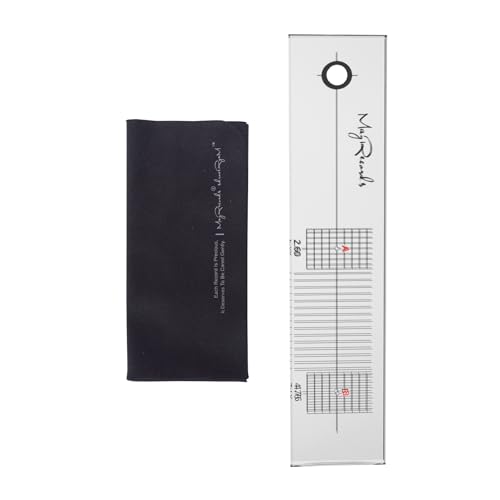
Quality Material: Made from sturdy acrylic material, clear printing, precise craftsmanship, easy to use and operate
Enhancing Your Listening Experience Through Alignment
Professional alignment services can set the stage for a superior audio experience, but individuals can also enhance their listening enjoyment with careful adjustments at home. Start by ensuring your cartridge body is aligned correctly. Use an alignment protractor to position the stylus in the groove accurately. Aim for a vertical tracking angle (VTA) of around twenty degrees to optimize sound clarity. Keep the stylus perpendicular to the groove to minimize zenith errors. Adjust the tracking force between 1.4 and 2.2 grams for the best sound performance while preserving the stylus. These simple steps help reduce distortion and wear, boosting the longevity of both records and equipment. For those dealing with audio equipment in damp environments, effective mold stain removers can help maintain a clean setup by preventing mold growth. Enjoy deeper, clearer music with each spin!
Frequently Asked Questions
How to Know if a Cartridge Is Aligned?
To determine if a cartridge is aligned, one should utilize alignment tools such as a protractor and tracking force gauge. Observing stylus movement and listening for distortion can also indicate necessary adjustments in cartridge setup.
How Important Is Cartridge Alignment?
Cartridge alignment is crucial for ideal playback. Proper cartridge setup utilizes alignment tools to guarantee accurate positioning, greatly reducing distortion and protecting vinyl records, ultimately preserving sound quality and prolonging the lifespan of both stylus and records.
What Does a Bad Cartridge Sound Like?
A bad cartridge may sound like a cacophony of chaos, with persistent skipping distortion and muffled audio enveloping the listener. The essence of music dissipates, leaving behind a frustrating auditory experience devoid of clarity and joy.
What Affects Sound Quality the Most?
Sound quality is primarily affected by sound distortion and tracking error. Factors such as cartridge alignment, vertical tracking force, and anti-skate settings greatly contribute to overall fidelity and clarity during audio playback, influencing the listening experience.


