As an Amazon Associate, we earn from qualifying purchases. Some links on this site are affiliate links at no extra cost to you. Our recommendations are based on thorough research and editorial judgment.


What Makes 180 Gram Vinyl Different

180 gram vinyl records differ from standard records mainly in weight. At 180 grams, they offer better durability and resistance to warping, which helps maintain sound quality. This heavier weight also minimizes skipping and vibrations during playback. While sound quality depends on mastering, heavier records can reduce background noise. They often use high-quality virgin vinyl, enhancing performance. As you explore vinyl options, understanding these details can guide your choices and improve your listening experience.
Key Takeaways
- 180 gram vinyl is heavier than standard records, providing greater durability and less likelihood of warping.
- The increased weight of 180 gram records reduces playback issues, such as skipping, enhancing listening stability.
- While sound quality varies based on source material, heavier records often minimize background noise and vibrations.
- Craftsmanship in the manufacturing process, including the use of virgin vinyl, significantly impacts the overall sound quality and durability.
- 180 gram vinyl may be priced higher due to superior materials and quality control in pressings, appealing to collectors.
Understanding 180 Gram Vinyl
You may be interested


When exploring the world of vinyl records, understanding 180 gram vinyl is essential. This type of record is heavier than standard options that weigh between 120-140 grams. The increased weight provides greater durability and strength, making these heavier records less likely to warp over time. Additionally, their added stability helps reduce playback issues, like skipping, on turntables. Durable materials like MDF board and honeycomb wood laminate are often used in modular storage solutions to ensure long-lasting protection for these records. The weight of 180 gram vinyl stems from using more polyvinyl chloride (PVC) during manufacturing. While many consider these records audiophile grade, superior sound quality isn’t guaranteed by weight alone. The overall pressing quality plays a vital role in the listening experience. Buyers should focus on both weight and pressing quality for enjoyable sound when choosing vinyl records.
Comparison to Standard Vinyl

The key distinction between 180 gram vinyl and standard vinyl records lies in their weight and construction. Standard vinyl typically averages around 140 grams, while 180 gram vinyl is markedly heavier. This extra mass offers better durability and resistance to warping, making 180 gram records preferable for many collectors. However, it’s essential to note that the overall sound quality does not solely depend on weight. Both types can have the same groove depths, indicating potential for similar sound fidelity. While 180 gram vinyl may improve playback stability and reduce noise on high-end systems, it does not automatically guarantee better sound. Thus, consider mastering and manufacturing quality as vital factors in sound degradation, regardless of the record’s weight. For audiophiles, choosing a record cleaning machine with effective technology can enhance the listening experience by maintaining the quality of both standard and 180 gram vinyl records.
Recommended Products

A professional ultrasonic record cleaning machine, not only brings your dirty records back to life but also designed in ways that bring you a pleasant cleaning experience. Our Record Cleaner is intuitive, compact, lightweight, smart, and quiet.

High-Precision 40kHz Ultrasonic Restoration: Engineered with dual transducers and a single-unit closed-loop stainless steel basin for maximum energy efficiency. By maintaining a strict 10mm proximity between the record surface and the basin wall, the 40kHz ultrasonic waves target deep-groove dirt, microscopic dust, and manufacturing release agents with surgical efficiency—all without physical contact.

Cleaner records sound better than dirty records.
Sound Quality Considerations

Sound quality in vinyl records often sparks lively debates among audio enthusiasts. While many believe that 180 gram vinyl records provide superior sound, this isn’t strictly the case. The true influence on sound quality lies in the source material and the technology used in mastering. Audiophiles recognize that both groove depth and quality remain consistent between heavier and standard records. Though 180 gram vinyl can minimize background noise and reduce vibrations during playback, these advantages aren’t solely about weight. For the best experience, use quality phono cartridges and high-end audio systems to fully appreciate the nuances. Remember, while heavier records can enhance listening, the overall sound is primarily shaped by the audio source and equipment quality. To achieve optimal audio performance, advanced stylus shapes can further improve detail extraction and enhance the listening experience.
Recommended Products

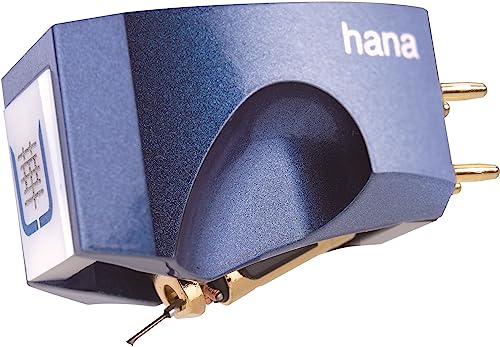
VINYL MAKES A MAGNIFICENT COMEBACK – The warmth of analog music supersedes all digital forms. Marantz brings alive the old school charm with its Reference Series TT-15S1 Turntable (33 1/3 & 45 rpm) – an absolute stunner for your treasured albums

REDISCOVER YOUR PASSION FOR VINYL - Listen to your analog music in a brand new way with this rigid diecast aluminum vinyl turntable that comes with standard mount headshell, S-shaped tonearm, direct drive motor, and has rotation speeds of 33 1/3, 45, or 78 rpm
Benefits of Heavier Records

Many people wonder about the true benefits of 180 gram vinyl records. One significant advantage is their durability. They are less likely to crack or scratch compared to standard weight records, which helps collectors enjoy longer-lasting albums. The added weight also provides better resistance to warping, keeping sound quality intact even in poor storage conditions. Moreover, heavier vinyl creates a more stable platform on your record player, reducing vibrations and minimizing needle skipping. Better manufacturing practices usually accompany 180 gram records, often using high-quality virgin vinyl. This leads to a reduction in playback noise, enhancing your listening experience. While weight does contribute to these benefits, it’s mainly the superior craftsmanship that makes 180 gram vinyl a worthwhile investment. Additionally, vinyl record weights can further enhance the sound experience by stabilizing playback and reducing unwanted vibrations.
Recommended Products


Vinyl Weight and Playback Performance

When evaluating how vinyl weight affects playback performance, it is important to take into account the relationship between record mass and sound quality. Heavier records, like 180 gram vinyl, are denser than standard records, which typically weigh around 120-140 grams. This extra mass increases durability, making them less prone to warping. The weight also helps dampen micro-movements, leading to improved playback quality. On high-end audio systems, this can mean less noise and distortion. However, it’s essential to remember that sound quality depends on more than just weight; mastering plays a big role too. Whether using heavier or lighter vinyl, proper storage and maintenance are key to enjoying the best sound. Additionally, using a turntable record weight can further stabilize the record and enhance sound quality by reducing vibrations and unwanted noise.
Recommended Products

Hybrid chassis with multi-material makeup suppresses unwanted vibrations

True Voltage & Frequency Conversion (50Hz → 60Hz) | Converts 200–240V 50Hz to 120V 60Hz with selectable 100V / 110V / 115V / 120V output. Provides clean, regulated U.S.-standard power for appliances, electronics, instruments, and motor-driven equipment in 50Hz regions.
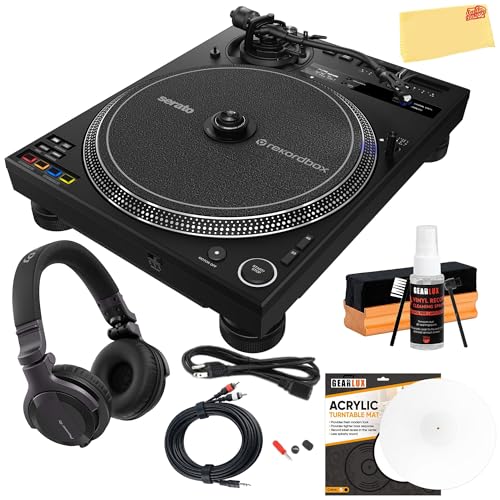
SKIP-FREE DVS PLAYBACK: The Pioneer DJ turntable uses a special DVS control system without a tone arm, along with the Magvel Clamp, ensuring smooth, skip-free performance during digital vinyl mode, even when scratching heavily
The Role of Craftsmanship in Pressings
In the world of vinyl records, craftsmanship plays a pivotal role in determining the quality of each pressing. For audiophiles, attention to detail is essential. Heavyweight pressings, such as 180 gram vinyl, often use virgin vinyl, ensuring a cleaner sound and reduced playback noise. Quality control is a key step; without it, the durability and sound performance can suffer. Techniques like UHQR (Ultra High-Quality Record) enhance the process, producing flatter records with better sonic quality. These advanced methods not only improve sound stability but also increase warp resistance. As a result, collectors place a higher value on these meticulously crafted pressings. Understanding this craftsmanship helps readers appreciate the fine details behind their favorite records. Audiophile turntables in 2026, like the Fluance RT82, exemplify how isolated motor designs further reduce vibrations, contributing to precise playback and enhanced listening experiences.
Collecting 180 Gram Vinyl
Collecting 180 gram vinyl can be a rewarding experience, especially for those who enjoy the tactile and auditory aspects of music. These heavier records are often favored for their durability and resistance to warping, which helps preserve sound quality over time. Collectors should remember, though, that pressing quality is vital. Not all 180 gram vinyl pressings guarantee superior sound; evaluating craftsmanship is fundamental. Many modern reissues of classic albums come in this format, appealing to both collectors and audiophiles. To enhance your enjoyment, take the time to inspect records before purchase. Look for well-made pressings to secure the best possible records sound. Enjoy handling your collection, but remember: weight isn’t everything; quality matters. Utilizing high-quality materials in test records can also reduce surface noise, further enhancing the listening experience.
Recommended Products

ANNIVERSARY EDITION: Celebrate 45 years of KISS's iconic 'Destroyer' album with this Super Deluxe Edition featuring 6 premium 180-gram black vinyl LPs
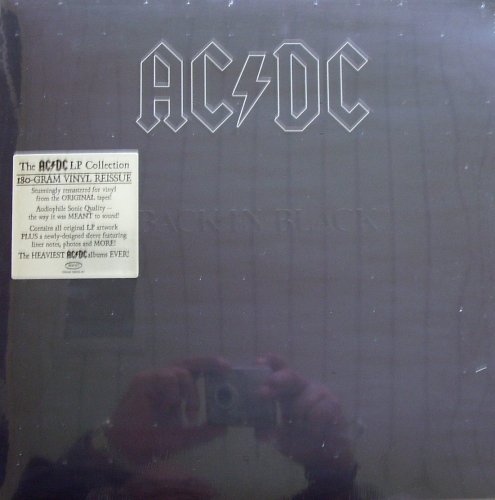

December Release from Giant Electric Pea
Frequently Asked Questions
What Is Special About 180G Vinyl?
180g vinyl records, weighing considerably more than standard types, impact sound experience positively with enhanced durability factors. Collecting trends favor these heavier options, often linked to perceptions of improved audio quality despite weight not guaranteeing superiority.
What Is the Difference Between 140G and 180G Vinyl?
The difference between 140g and 180g vinyl lies in record durability and weight. While pressing techniques may remain consistent, audience preferences often favor 180g for vinyl quality and perceived sound clarity, though not inherently superior.
What Is the Difference Between 120G and 180G Vinyl?
The difference between 120g and 180g vinyl lies in weight, durability factors, and collector appeal. While 180g offers superior durability and potential stability, sound quality ultimately depends on pressing details rather than weight alone.
How to Tell if Vinyl Is 180 Gram?
One can determine if vinyl is 180 gram by checking its weight, inspecting groove spacing, and considering quality comparisons. Such records often enhance sound clarity and possess greater collector value, potentially intriguing every audiophile’s curiosity.


