As an Amazon Associate, we earn from qualifying purchases. Some links on this site are affiliate links at no extra cost to you. Our recommendations are based on thorough research and editorial judgment.


The Importance of Turntable Leveling

Leveling a turntable is crucial for clear sound and longer record life. An unlevel turntable can cause distortion and skipping during playback. Begin by placing the turntable on a solid, stable surface. Use a small spirit level or a smartphone app to check for flatness. Adjust the turntable’s feet to achieve balance and verify measurements in multiple spots. Regular checks are important, especially after moving. Want to know more about maintaining your turntable’s performance?
Key Takeaways
- Leveling a turntable ensures consistent stylus contact, reducing distortion and enhancing overall sound fidelity during playback.
- An unlevel turntable can cause skipping, increased tonearm friction, and uneven record wear over time.
- Proper leveling minimizes unwanted vibrations, allowing for clearer sound and a better appreciation of musical nuances.
- Regular checks and adjustments prevent performance issues and prolong both the turntable’s and records’ lifespans.
- Using quality tools and techniques is essential for precise leveling to avoid common mistakes and enhance audio quality.
Understanding Turntable Mechanics
You may be interested
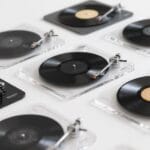

Understanding how a turntable works is vital for anyone wanting to enjoy vinyl records. A turntable needs a stylus to trace the grooves of a record, which converts the physical vibrations into sound. Proper alignment is critical; otherwise, distortion may occur. Leveling the turntable guarantees the stylus maintains consistent contact with the record. Uneven surfaces can cause skipping and increase wear on the records. Most turntables feature adjustable feet to help with this. Users can fine-tune these feet until the turntable is balanced. This process minimizes unwanted vibrations, enhancing sound quality. The setup may seem tricky initially, but taking a few moments to level the turntable can lead to a much more enjoyable listening experience. For vinyl enthusiasts, investing in a record player stand with adjustable features can further enhance the stability and functionality of their setup.
Impact of Leveling on Sound Quality

Leveling a turntable plays a significant role in enhancing sound quality. A properly leveled turntable guarantees that the stylus tracks consistently within the grooves of records. This minimizes distortion and improves overall sound fidelity. When the turntable is unlevel, it creates excessive horizontal force. This can increase tonearm friction, causing skipping or uneven wear on records. To achieve ideal leveling, use an adjustable level or a smartphone app to check flatness at multiple points. Additionally, a stable surface that absorbs speaker vibrations is essential. Avoid light or rigid surfaces, as they can resonate and degrade sound quality. With a well-leveled setup, listeners enjoy clearer sound and a better appreciation of their music’s nuances. Consider using cables with oxygen-free pure copper for superior sound clarity, as they reduce resistance and enhance signal transmission, contributing to an overall improved audio experience.
Tools Needed for Leveling Your Turntable

A few essential tools can make leveling a turntable an easier process. First, a small bullseye spirit level is vital for measuring flatness. Alternatively, a smartphone level app works just as well. Many turntables have adjustable feet that allow for precise leveling adjustments; these can help compensate for uneven surfaces. It’s important to check multiple points on the turntable on top to verify evenness across both axes. A stable, heavy piece of furniture is ideal, as it absorbs vibrations and improves sound quality. Proper storage is essential for preserving their condition and longevity in a collection. Finally, regular checks on the leveling of your turntable are key to preventing distortion and maintaining peak vinyl playback performance. With the right tools, effective leveling becomes a straightforward task.
Recommended Products

High-precision bubble level

Product: Circular Bullseye Degree Marked Surface Round Bubble Spirit Levels Measuring Tool.

Step-by-Step Guide to Leveling

Before starting the leveling process, it’s helpful to gather your tools and assure a suitable setup. First, place your turntable on solid, heavy furniture to ensure turntable isolation from vibrations. Then, use a small bullseye-level tool or a smartphone level app to check the turntable’s position on both the width and depth axes. Adjust the feet of the turntable, if applicable, for fine-tuning. Measure the level at multiple points across the surface to catch any discrepancies. After making adjustments, double-check the level again. A properly leveled turntable not only prevents distortion but also enhances sound quality and prolongs record life. Proper sleeve choice aids in minimizing dust and damage, which is essential for maintaining the quality of your records. Enjoy improved playback with these simple steps. Transparency is key to a great listening experience.
Recommended Products
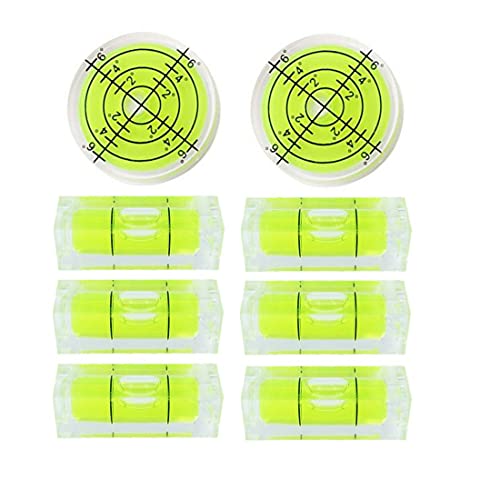
Product: Bubble Spirit Level Degree Marked Surface Measuring Tool.

Small Bubble Spirit Level Set: our product set includes 6 mini magnetic square drill bubble levels and 3 circular bubble levels, designed to assist in precise leveling tasks in various applications; These tools are especially useful for projects that require accuracy, such as leveling phonographs, cameras, turntables, tripods, frames, drills, and more

The Ortofon dragonfly allows perfect alignment of the turntable.
Common Leveling Mistakes to Avoid

Many first-time users make common mistakes when leveling their turntable, which can hinder sound quality and record life. One widespread error is failing to check the level in multiple spots; this leads to improper adjustments. To achieve peak sound, place the turntable on solid, heavy furniture, as lightweight surfaces worsen vibration issues. Ignoring adjustable feet on the turntable can prevent precise leveling, which affects tracking accuracy. Additionally, users often neglect tools like a bullseye level or smartphone leveling app, resulting in misalignment. This misalignment can cause skipping records and increased tonearm friction. By avoiding these pitfalls, users can enhance sound and prolong record lifespan, and improve overall speaker isolation for a better listening experience. Considering sturdy construction with stability features in your record stand is essential to prevent tipping and maintain optimal leveling for your turntable.
How to Check for Level With a Bubble Level
Securing turntable perfection requires accurate leveling, often assessed with a bubble level. Begin by placing the bubble level across the width of the turntable. Check if the bubble centers between the lines. Next, move the level to measure the depth. Again, the bubble should sit perfectly in the center. This two-axis assessment secures the turntable is balanced. A slight tilt can lead to tracking issues, affecting sound quality. For accuracy, take measurements at various points on the turntable’s surface. Most turntables feature adjustable feet, which allow for precise leveling based on your findings. Remember, a level turntable prevents distortion and uneven record wear during playback, enhancing your listening experience. Using calibration tools can further ensure your turntable maintains optimal performance and speed accuracy. Happy leveling!
Recommended Products

Size:12x6mm. mini bubble level round measurement instrument,

【All-in-one Turntable Tool】- The Viborg LP628B Record Weight Stabilizer not only removes additional noise introduced by dampening surface and bubble level, but also helps keep the record flush. Quality machining of aluminum and an attractive black finish make it a sleek addition to any turntable setup.

【Vinyl panel player protect】Effectively eliminate shaking, stabilize the rotation speed and keep the level of the LP turntable.
Adjustable Feet: Benefits and Usage
While leveling a turntable may seem challenging, adjustable feet can simplify the process. These feet enable users to achieve the precise height needed for a perfect setup. This is essential for preventing record distortion and uneven wear. Many turntables come with adjustable feet designed to provide stability on various surfaces. To fine-tune the balance, a small bullseye-style level or a smartphone app can help verify that the turntable is level across both axes. Properly using adjustable feet minimizes external vibrations, improving the overall sound quality during playback. Additionally, adjusting the feet correctly enhances the turntable’s performance and contributes to the longevity of vinyl records by ensuring they play evenly. A little adjustment goes a long way! For those with extensive collections, having a secure and stable setup is crucial to maintaining the integrity of the records and the quality of the listening experience.
Recommended Products

Engineered for Purity in Sound and Stability: These premium speaker isolation feet are designed to decouple your audio equipment from surfaces. By absorbing and reducing unwanted vibrations, these speaker isolation pads help minimize sound distortion and deliver tighter bass, clearer mids, and more detailed highs for your turntable, subwoofer, or speakers. No more annoying buzzing or rattling that muddies your music or movie experience. A reliable subwoofer isolation solution for any audio setup.

❖ Material: Aluminum; Size: OD44.5mm(1.75") x Height 33mm(1.3"); Heat Treatment Hardness: HRC50-55; Weight: 65g * 4 / Set; Weight Bearing Capability: (220Lbs / 100Kg) / Set.

Engineered for Purity in Sound and Stability: These premium speaker isolation feet are designed to decouple your audio equipment from surfaces. By absorbing and reducing unwanted vibrations, these speaker isolation pads help minimize sound distortion and deliver tighter bass, clearer mids, and more detailed highs for your turntable, subwoofer, or speakers. No more annoying buzzing or rattling that muddies your music or movie experience. A reliable subwoofer isolation solution for any audio setup.
The Importance of a Solid Foundation
A solid foundation is essential for any turntable to function properly. It helps absorb vibrations and prevents interference that can ruin audio quality. When setting up a turntable, make certain it rests on a sturdy surface—like dedicated speaker stands—designed to handle weight and stability. Using adjustable feet on many models is helpful. They let you customize height and level for ideal alignment. To check your setup, use a bubble level or a smartphone app. This simple step makes certain the turntable is perfectly level, reducing tracking issues and distortion. Maintaining this stable setup not only enhances your listening experience but also prolongs the life of your records. A strong foundation is key to enjoying music the way the artist intended. Adding an acrylic mat can further enhance sound quality by dampening vibrations and reducing static build-up, which contributes to a clearer and more immersive audio experience.
Effects of an Unlevel Turntable
Precision is key when it comes to turntable setup. An unlevel turntable can lead to several issues. For example, sound quality may suffer, causing distortion and uneven tracking. Increased tonearm friction can also result from improper leveling, affecting playback performance. Additionally, records can wear unevenly, shortening their lifespan and compromising audio fidelity. If you apply any horizontal force on an unlevel turntable, expect skipping and jumping during playback, which disrupts your listening experience. Maintaining a level turntable is essential for peak stylus performance, ensuring it accurately reproduces sound from the grooves. A simple adjustment with a level tool can greatly enhance sound quality, underscoring the significant impact of precise leveling on your turntable setup. Additionally, incorporating turntable isolation feet can significantly reduce unwanted vibrations, further enhancing overall audio performance and sound integrity.
Advanced Leveling Techniques
Achieving a perfectly level turntable is easier than it seems with the right techniques. To start, use a bullseye-style level or a smartphone level app. Check the turntable’s position on both width and depth axes for precision. Many models have adjustable feet; fine-tuning each corner helps achieve an even surface. It’s crucial to measure at multiple points to catch any minor inconsistencies. This adjustment guarantees optimal sound reproduction. Consider using isolation pads under your turntable as they can absorb vibrations, leading to a clearer sound. A well-leveled turntable minimizes tracking issues like distortion and skipping, ultimately prolonging the lifespan of your records and enhancing overall playback quality. For optimal sound quality, ensure that your turntable is equipped with a gold-plated connector to reduce interference and enhance audio clarity.
Recommended Products

Quality Throughout : Aluminium Case is premium superior durability and scratch resistance.

Color: Green; Material: ABS Plastic; Size: 25x5 inch (D x H); Packing List: 10 x Round Bubble Level
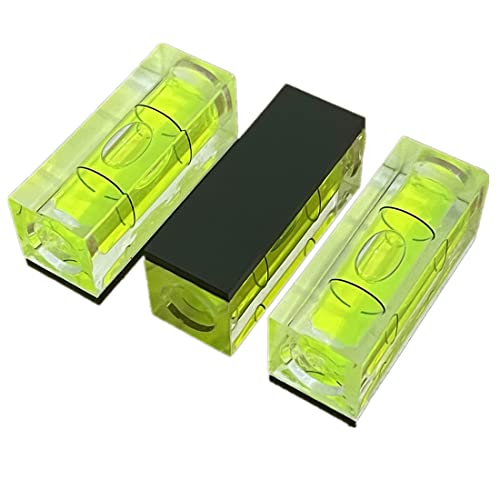
Product: Magnetic Square Bubble Spirit Levels.
Seeking Professional Help for Complex Adjustments
Maneuvering through the complexities of turntable adjustments can be challenging, especially for newcomers. When it comes to intricate settings like tonearm positioning and playback speed correction, seeking professional help is often wise. Certified technicians have specialized tools, such as calibrated stroboscopes, to guarantee accuracy. This is especially important for high-end speakers and turntables, where even minor errors can affect sound quality. A professional will handle vital elements, like anti-skating adjustments and counterweight precision, preventing uneven wear on your favorite records. Plus, they offer ongoing support to keep your turntable performing at its best. Hiring an expert could save you from frustration and enhance your listening experience by maximizing your turntable’s potential.
Maintaining Your Turntable’s Level Over Time
Even after seeking professional help for complex adjustments, maintaining a turntable’s level is an ongoing task. To guarantee the best sound quality, make sure to regularly check the level of your turntable. Changes in humidity or temperature can shift the furniture it rests on, necessitating adjustments. Use a small bullseye level on the turntable’s plinth to confirm it is level in both width and depth. Many turntables feature adjustable feet, making it easier to level the surface as environmental conditions change. Always perform a level check when relocating the turntable or after any major updates in your audio setup. This consistent maintenance not only enhances sound quality but also prolongs the life of your records, preventing uneven wear.
Frequently Asked Questions
Why Should a Turntable Be Level?
A turntable should be level to achieve ideal vibrational control, ensuring consistent tracking of the stylus within the record grooves. This alignment preserves audio clarity and enhances overall sound quality, while reducing wear on both records and equipment.
Why Is Leveling Important?
Leveling is paramount, akin to tuning a fine instrument; it guarantees vibration control and ideal sound delivery. An unlevel turntable distorts the music, disrupting harmony and sacrificing both audio quality and the longevity of cherished records.
What Happens if You Don’t Ground a Turntable?
Failing to ground a turntable leads to grounding issues, resulting in unwanted noise such as hum and buzzing. This interference disrupts sound quality, causing pops and crackles, ultimately diminishing the overall listening experience considerably.
How Important Is Cartridge Alignment?
Cartridge alignment resembles a well-tuned orchestra, where precision in maintenance guarantees harmonious sound. Misalignment, like discord, leads to distortion and wear. Proper alignment enhances fidelity, making it essential for an immersive listening experience.


