As an Amazon Associate, we earn from qualifying purchases. Some links on this site are affiliate links at no extra cost to you. Our recommendations are based on thorough research and editorial judgment.


How to Clean Your Vinyl Records Properly

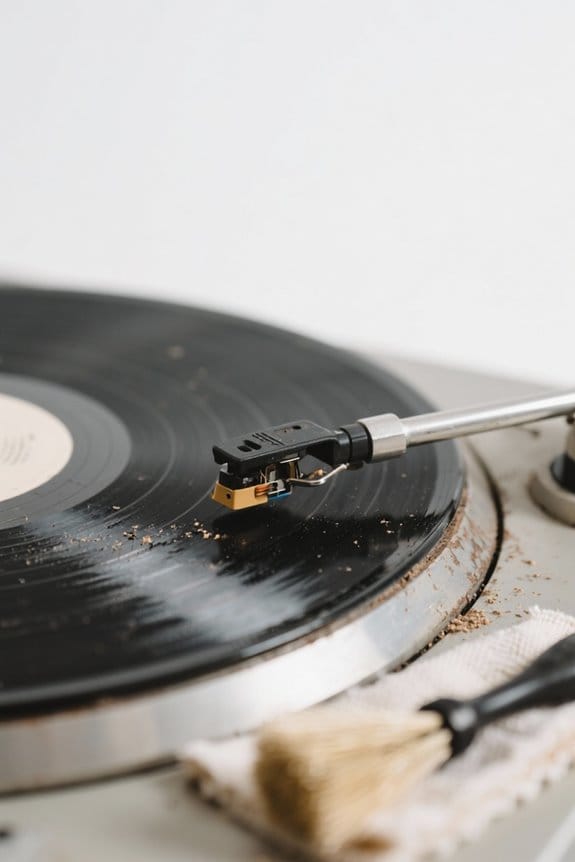
To clean vinyl records properly, start with a dry carbon fiber brush to remove dust and static. Then, dampen a microfiber cloth with a mixture of three parts isopropyl alcohol to two parts deionized water. Gently wipe the record along the groove direction, using light pressure. Avoid scrubbing harshly. Finally, dry the record with another microfiber cloth. Store records upright in protective sleeves to prevent warping. There’s more to keeping your records in top shape, so keep going for extra tips.
Key Takeaways
- Begin by using a dry carbon fiber brush to eliminate surface dust and static without damaging the grooves.
- Dampen a microfiber cloth with diluted cleaning solution and gently wipe the record following the groove direction.
- Avoid vigorous scrubbing; apply light pressure for effective grime removal, focusing on maintaining the record’s integrity.
- Thoroughly dry the record with a microfiber cloth or compressed air before playback to prevent moisture-related sound issues.
- Store records vertically in protective sleeves to minimize dust exposure and prevent warping for long-term preservation.
Understanding the Importance of Cleaning Vinyl Records
You may be interested
Cleaning vinyl records is essential for maintaining their quality and sound. Regular cleaning prevents dirt and grime buildup, which can lead to pesky clicks and hisses during playback. For ideal sound quality, it’s important to use a proper cleaning solution specifically designed for records. This will help enhance the overall listening experience by ensuring cleaner records. Additionally, good maintenance extends the life of both the records and your turntable components, saving you money on replacements. To protect your equipment, avoid using any harsh chemicals or household cleaners, as these can cause damage. Ultimately, investing time in cleaning records also preserves their value, making well-kept items more desirable in the market. Regular maintenance after a few plays and deeper cleanings every 5-10 plays are recommended to ensure the longevity of your vinyl collection. Happy listening!
Essential Cleaning Tools for Vinyl Care

A few essential tools can considerably improve the care of vinyl records. First, a carbon fiber brush is vital; it gently removes dust and reduces static without scratching the record grooves. Next, keep a microfiber cloth handy for safely wiping away fingerprints and dust. Unlike paper towels, microfiber leaves no fibers behind. For deeper cleaning, use a diluted cleaning solution—a mixture of 70% isopropyl alcohol and distilled water works well. This combination effectively eliminates grime without damaging your records. While record cleaning machines deliver great results, many collectors achieve excellent outcomes with these affordable manual tools. Remember, avoid household cleaners that contain harsh chemicals that may harm your vinyl over time. Additionally, using a carbon fiber brush with anti-static properties reduces dust attraction and enhances the overall sound quality of your records.
Recommended Products

Clean and protect your vinyl collection — Our vinyl record brush quickly and easily cleans your records before every spin. Dual-row extra-soft carbon fiber bristles gently lift harmful dust and dirt from the vinyl surface. No vinyl cleaner liquids or gels required.

Removes harmful dust and contaminants from your vinyl records

Anti-Static Record Brush
Step-by-Step Cleaning Process

Vinyl record cleaning starts with a few simple steps to guarantee ideal care. Begin by using a dry brush, like a carbon fiber brush, to remove surface dust and static. This step is important to prevent scratching. For deeper cleaning, dampen a microfiber cloth with a diluted solution of 70% isopropyl alcohol mixed with distilled water. Gently wipe the record, always following the grooves’ direction. Avoid vigorous scrubbing; light pressure works best for grime removal. After cleaning, dry the record thoroughly with a dry microfiber cloth or use compressed air to eliminate moisture. Finally, store the vinyl records vertically in protective sleeves to reduce dust accumulation and prevent warping. These steps will enhance your record player experience. Regular maintenance is crucial to increases lifespan of vinyl records through proper care.
Recommended Products
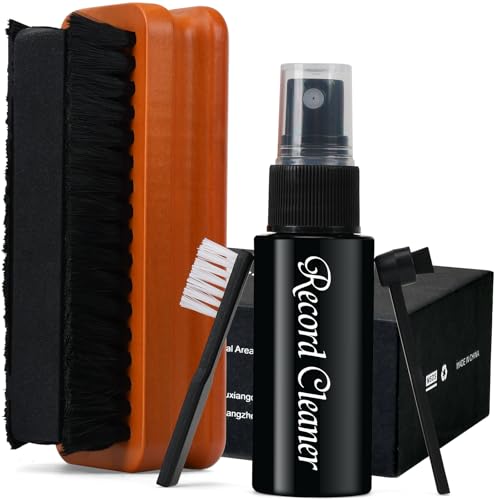
Patented Design - The record cleaning brush is made with a combination of velvet and microfiber that is tailor-made for efficient cleaning of vinyl records, effectively removing dust and minimizing noise.

Made by Professionals for Professionals: There are many products for record collectors today, yet our brand stands out. Recognized globally by new and old vinyl fans alike, we offer a professional vinyl cleaner and care solution for your needs.

【Complete Vinyl Record Cleaning Kit】 - Extreme care & regular maintenance is paramount to every vinyl album collection. This 7-in-1 vinyl record cleaning kit contains everything you need: Vinyl Record Cleaner, Velvet Brush, Microfiber Brush,Stylus Brush,Label Protector, Air Blower,Duster for Velvet Brush, Restore LPs Album.
Recommended Cleaning Solutions

Choosing the right cleaning solution can substantially enhance the care of vinyl records. It’s best to use record cleaning solutions specifically designed for vinyl, as these effectively remove dirt without harming the surface. For a budget-friendly option, a DIY solution of three parts isopropyl alcohol, two parts deionized water, and a drop of dishwashing liquid is safe and effective for cleaning vinyl. When applying any cleaning solution, avoid the label to prevent damage. To achieve great results, employ a carbon fiber brush for deep cleaning; it removes surface dirt without scratching the grooves. Finally, always verify the records are completely dry before playback to maintain peak sound quality and prevent moisture-related damage. Some vinyl record cleaning kits offer comprehensive cleaning solutions, enhancing sound clarity and prolonging the lifespan of your records.
Recommended Products

【Remove Static & Dust】-- Vinyl record cleaning solution remove dust, debris, fingerprint, deep cleaning the record, and save you from the annoying pop and clicks. Anti-static formula can also remove static and reduce charge accumulation.

OFFICIAL REFILL FOR BIG FUDGE 4-in-1 RECORD CLEANING KIT - Don't settle for less. If you've purchased our Cleaning Products in the past, you know this stuff works wonders.

Vinyl Cleaning Kit: Eliminate dust, dirt, and fingerprints with our ultra-soft velvet brush and XL cleaning solution in this vinyl cleaner, ensuring your favorite vinyl records play smoothly and maintain optimal sound
Manual vs. Machine Cleaning Methods

Cleaning vinyl records can be approached in two main ways: manual and machine cleaning. Manual cleaning is often more effective at addressing dirt and grime. Using a carbon fiber brush, collectors can carefully remove surface dust without scratching grooves, making it a key tool in maintaining any vinyl collection. On the other hand, record cleaning machines (RCMs) offer deep cleaning but can cost around $300. Many collectors prefer manual methods to save money. While machines might speed up the process, reports show that simple hand techniques yield comparable results. For those looking for efficiency, vacuum systems and Spin Clean kits can clean thousands of records before requiring maintenance, striking a balance between cost and effectiveness. When considering machine options, ultrasonic vinyl cleaning machines operate at 40KHz frequency for thorough dirt removal, making them an excellent choice for those who want a more hands-off approach to vinyl care.
Recommended Products
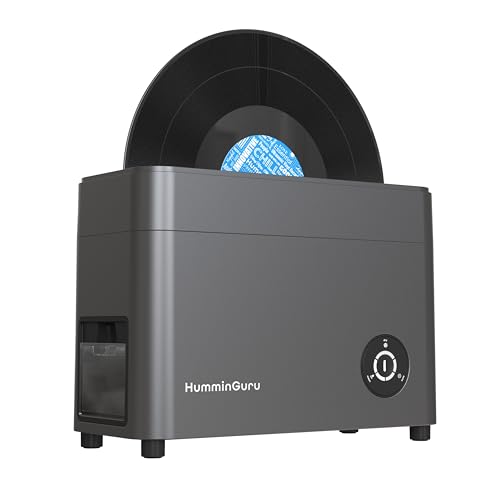
Audiophile-Safe 40kHz Ultrasonic Vinyl Record Cleaner: Engineered with dual transducers and a single-unit closed-loop stainless steel basin for maximum energy efficiency. With a precisely calibrated ratio of power, frequency, and 10mm proximity distance, it ensures maximum deep-groove dirt removal with zero risk of record damage. Acclaimed by leading audio publications and trusted by thousands of vinyl collectors worldwide, it delivers safe, contactless lp cleaning for long-term record preservation.
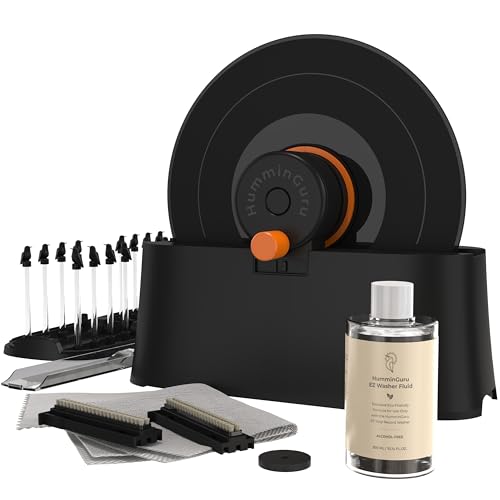
【Watertight Label-Protecting Clamp】: EZ record washer with the record patented clamp secures your vinyl record in seconds with a simple, straight-down press, ensuring zero handling damage. The record clamp interior is lined with a ring of soft, that creates a reliable waterproof seal to keep your record labels perfectly dry during wet cleaning. This innovative design has refined the way you secure your vinyl records from traditional manual washers.
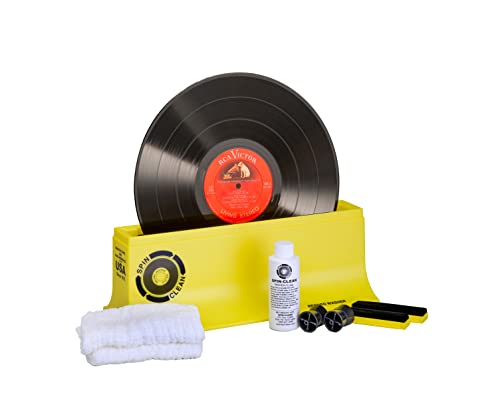
Effortless & Quite Dual-Sided Deep Cleaning: Clean both sides of your vinyl records simultaneously with ease. The vinyl record cleaner operates without power or complex installation, offering a quieter alternative to motorized vacuum systems, perfect for home record cleaning.
Tips for Proper Record Storage
Proper storage of records is just as important as the cleaning process. To store vinyl records properly, make sure to keep them upright and avoid stacking them horizontally. This prevents warping and damage. Use protective sleeves, like poly-lined inner sleeves, to shield the records from dust and scratches. It’s essential to store them in a clean, dry location, ideally with controlled temperature and humidity levels. Avoid placing heavy objects on the records or exposing them to direct sunlight and heat. Regularly inspect the storage area for dust, as this can negatively impact playback quality. Investing in high-density polypropylene sleeves can provide additional protection against moisture and dust. By following these guidelines, collectors can maintain their records like a professional record store would, ensuring they enjoy their favorite albums for years to come.
How to Handle Records Safely
Handling vinyl records safely is crucial to maintaining their quality and longevity. To start, always handle records by their edges or the inner label. This prevents oil transfer from fingers, which can harm sound quality. Clean hands are a must; they minimize dirt and oils that wear down grooves over time. Avoid touching the grooves or playing surface directly, as fingernails can create scratches. When storing records, keep them vertically in an upright position to prevent warping. Stacking records horizontally can create undue pressure. Finally, store records in a clean, dry environment to reduce dust and prevent damage from humidity or temperature changes. Using high-quality materials like hardwood handles in your vinyl cleaning tools can enhance cleaning effectiveness and comfort, ensuring your cherished vinyl remains in excellent condition for years to come.
Preventing Damage During Cleaning
While it might seem simple, preventing damage during the cleaning of vinyl records requires careful attention. When cleaning your records, always handle them by their edges or the inner label to avoid transferring oils from your hands. These oils can attract dust and dirt, complicating your cleaning efforts. Use a soft, lint-free microfiber cloth to prevent scratches on the grooves. When applying any cleaning solution, only use small amounts; excess moisture may seep into the label and cause damage. Clean in the direction of the grooves with light pressure—no vigorous scrubbing! Finally, never play a wet record; doing so can embed dirt particles into the grooves and ruin your treasured collection. Non-toxic cleaning solutions are preferred to protect the vinyl from degradation while maintaining sound quality. Take care to follow these steps for a successful cleaning experience.
Recommended Products

EVERYTHING YOU NEED - Make sure your prized albums stand the test of time with our vinyl record cleaning kit! It includes a 6.75 oz spray, a silicone protector, and an absorbent microfiber cloth.

The Only Vinyl Cleaning Kit You'll Ever Need: extreme care & regular maintenance is paramount to every vinyl album collection, big or small. but when it comes to vinyl cleaning kits, this 4in1 vinyl care set stands out from all the rest as it provides all the efficient tools to clean, preserve, restore & protect your precious collection. our complete vinyl record cleaner kit comes with a velvet brush & cleaning fluid for your albums plus a cleaning gel for the turntable needle. Record cleaner

ANTI-STATIC Record Cleaner Kit, Complete Vinyl Cleaning Solution, Including Stylus Gel,Stylus Brush,Velvet Brush, Small Record Brush, Big Record Brush, Cleaning Fluid(50ml), Travel Pouch
Maintaining Playback Quality
Cleaning vinyl records is a great start, but maintaining playback quality is just as important. Regular cleaning removes dust and grime, improving sound clarity. For effective cleaning, use a non-abrasive solution like diluted isopropyl alcohol. Mix one part isopropyl alcohol with four parts distilled water for a safe cleaner.
Keep the stylus clean, too; this prevents dirt from transferring to the records, optimizing audio fidelity. Avoid household cleaners with harmful chemicals, as they can damage vinyl and diminish playback quality. Anti-static brushes, particularly those crafted from carbon fiber, enhance sound quality and reduce dust attraction. Always make certain records are completely dry before playing. Wet records can trap dirt in the grooves, ruining your listening experience. By following these steps, audiophiles can enjoy rich, clear sound from their prized records for years to come.
Community Insights on Record Care
Many vinyl enthusiasts believe that the key to enjoying a quality listening experience lies in community wisdom about record care. Collectors stress the importance of regular maintenance for record players, even for seemingly clean discs. Hidden residues can impact sound quality. Simple, manual cleaning methods often yield better results than expensive machines. For deep cleaning, a modest investment in tools like carbon fiber brushes and microfiber cloths can greatly improve playback. Many in the community suggest dedicating time to prevent dust accumulation, which prolongs both your records and turntable lifespan. Regular cleaning enhances the overall listening experience, proving that care is essential for lasting enjoyment of vinyl collections. Happy listening!
Frequently Asked Questions
What Is the Best Way to Clean a Vinyl Record?
The best way to clean a vinyl record involves using effective record cleaning techniques, employing safe cleaning solutions, maintaining vinyl quality through regular cleaning, and following frequency recommendations to guarantee ideal audio performance and longevity.
Is Dawn Dish Soap Safe for Vinyl Records?
Dawn dish soap is generally not safe for vinyl records. Collectors suggest dish soap alternatives, like specialized cleaning solutions or homemade record cleaners, emphasizing proper vinyl record maintenance to avoid potential damage and residue issues.
What Not to Do to Your Vinyl Records?
Avoid scratching surfaces, exposing records to excessive heat, and storing them improperly. Additionally, steer clear of abrasive materials that could further damage the delicate grooves, ensuring preservation of both quality and lifespan in each cherished vinyl.
Is Windex Ok for Vinyl Records?
Windex is not suitable for vinyl records due to its harmful effects, which can compromise vinyl longevity and increase record scratching. Alternative cleaners, specifically designed for vinyl, are recommended for safe and effective cleaning.