As an Amazon Associate, we earn from qualifying purchases. Some links on this site are affiliate links at no extra cost to you. Our recommendations are based on thorough research and editorial judgment.


The Cultural Impact of Record Store Day

Record Store Day has transformed music culture since 2008. It connects independent record stores with music lovers through events featuring exclusive vinyl releases. This annual celebration increases foot traffic and boosts sales, benefiting local shops. Vinyl’s tangible nature enhances appreciation for music history, while events create community engagement. However, challenges like commercialization and inflated prices exist. Understanding these dynamics can enhance your appreciation for Record Store Day‘s role in maintaining vinyl culture and music connections in today’s world.
Key Takeaways
- Record Store Day fosters community engagement, drawing music lovers together through live events and exclusive vinyl releases, enhancing appreciation for independent music.
- The event has revived interest in vinyl, appealing to younger generations who value tangible music experiences and aesthetics linked to nostalgia.
- Record Store Day contributes significantly to the economy, evidenced by a 147% increase in record sales since 2008, benefiting independent shops globally.
- Despite commercialization concerns, the event remains a platform for independent artists, though challenges arise from the focus on major-label releases and collector mentalities.
- Engaging multigenerational audiences, Record Store Day bridges gaps between older collectors and younger fans, ensuring the continued relevance of physical music formats.
The Origins of Record Store Day
You may be interested


The origins of Record Store Day showcase the power of community and creativity in the music industry. Launched in 2008, this event was initiated by Chris Brown of Bull Moose Records through a simple email. The first official Record Store Day took place on April 19 of that year, with hundreds of independent record stores joining in the celebration. The goal was to drive traffic to these stores, using live music and special vinyl records as incentives. Early artists like R.E.M. and Vampire Weekend contributed exclusive releases, helping reinforce the cultural impact of this day. Since then, over 10,000 independent record stores worldwide celebrate the love of vinyl records, fostering a strong community of music enthusiasts along the way. Many record stores also offer stylish turntable cabinets as part of their celebration, allowing vinyl collectors to enhance their home decor while organizing their collections efficiently.
Record Store Day’s Evolution Over the Years

While many may think of Record Store Day as just a fun event, its evolution tells a deeper story about the music industry and consumer trends. Launched in 2008, Record Store Day aimed to support independent record stores struggling from digitization. The first event included about 700 stores and featured exclusive releases. Over time, participation soared to over 10,000 worldwide, showcasing hundreds of limited-edition records. This growth emphasized vinyl culture’s revival. However, the increasing presence of mainstream artists, such as Taylor Swift, often shifted focus from independent shops. Critics argue that this commercialization prioritizes rarity over genuine music enjoyment. Nonetheless, Record Store Day greatly impacted community engagement and the appreciation for independent music, making it a remarkable cultural phenomenon. The rise in vinyl popularity also led to a demand for durable vinyl shipping boxes to ensure safe deliveries of these cherished records.
Economic Impact on Independent Music Shops

Understanding the economic impact of Record Store Day (RSD) on independent music shops can help clarify its significance. Since its launch in 2008, RSD has driven a remarkable 147% increase in record sales in the U.S. This event creates a buzz, boosting foot traffic and helping shops compete against digital music. However, it also brings financial implications. Shops must order large quantities of popular limited editions, complicating inventory management. Additionally, independent artists face challenges, as major-label reissues often dominate pressing capacity. This can limit showcase opportunities for smaller labels. Some indie shops may even resort to prioritizing rare items over a diverse inventory, balancing profits and ethics. Overall, RSD remains essential for supporting independent culture while presenting real challenges. Many vinyl enthusiasts rely on vinyl record travel cases to protect their growing collections as they attend Record Store Day events nationwide.
Recommended Products
Holds Up to 200 x 7” Records – Designed to fit approximately 200 x 7-inch vinyl records, depending on record and sleeve thickness, with a fully padded interior to protect your collection during transport.

【STACKABLE!】Strong STACKING ability! The grooves on the top and bottom covers of the box allow multiple boxes to be firmly embedded up and down without shaking! 【NOTE:PACKAGE INCLUDED ONLY 1 CASE】

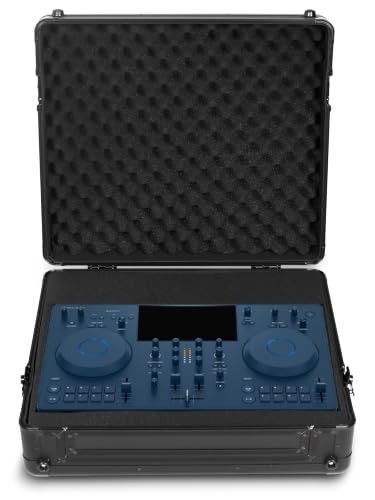
* Engineered to Hold Technics 1200 & All Other Branded Turntables Such As Numark, Stanton, Gemini, Vestax || * Cable Port for Cable Route-Through w/Detachable Protective Plate || * Removable Top Cover & Interior Foam Allows For Versatile Easy Access
The Role of Vinyl in Modern Music Culture

Vinyl records have carved out a unique place in today’s music culture, merging nostalgia with modern trends. Many people find vinyl to be a more authentic and superior sound option compared to digital formats. Listening to records offers a tangible experience—like holding a piece of music history. This experience is enhanced during events like Record Store Day, which celebrates the spirit of community around physical music formats. Social media has also played a key role, as younger generations share their vinyl collections online, highlighting their aesthetic appeal. Engaging with vinyl aligns with trends like slow living and mindfulness, making it not just a hobby but a cultural statement in our fast-paced world. The incorporation of Bluetooth connectivity in modern turntables has further bridged the gap between vintage charm and contemporary convenience, making vinyl more accessible to new audiences.
Community Engagement Through Record Store Day Events

Record Store Day (RSD) events bring together music lovers in a vibrant atmosphere. These gatherings foster community engagement, as music enthusiasts unite to celebrate their shared passion for vinyl. Independent record stores play a critical role during RSD, hosting live performances and DJ sets. Visitors can explore exclusive releases, which helps draw large crowds and boosts foot traffic. These events encourage attendees to connect with local artists and discover diverse music genres. RSD strengthens community ties as collectors and casual fans alike come together. It highlights the importance of independent record stores in today’s digital age. So, if you’re a music lover, participating in RSD could connect you with your local music scene and create lasting memories in your community. Additionally, some record players feature Bluetooth connectivity, allowing for seamless streaming from mobile devices and enhancing the overall user experience.
Celebrating Diversity in Music Genres
As music lovers step into the world of Record Store Day (RSD), they find a celebration that embraces diversity in music genres. Independent record stores come alive with exclusive releases spanning punk, jazz, hip-hop, and electronic. This wide range allows fans to explore new sounds and appreciate different styles. RSD highlights underrepresented artists and labels, amplifying voices that often go unheard in mainstream retail. To enhance community engagement, local shops organize themed events and live shows, inviting everyone to discover and interact with various genres. By celebrating diversity in music genres, RSD fosters the emergence of new fan communities, as collectors gain a deeper understanding of unique and niche musical styles. Many enthusiasts also consider investing in record player stands with storage to further elevate their vinyl experience, blending functionality with aesthetic appreciation in their music spaces.
Collector Mentality: The Good and the Bad
Collector mentality can drive the excitement around Record Store Day (RSD), but it has its ups and downs. Many collectors seek rare and collectible records as status symbols, which can overshadow the joy of music. This trend leads to inflated prices on the resale market, sometimes exceeding five times the original cost. As collectors chase absurdly rare items, like a Boards of Canada record with only six copies, the essence of collecting becomes commercialized. Independent records often struggle for visibility amidst major artist releases. This mentality can create a divide in the community, making it hard for casual listeners to engage. Social media can amplify this exclusivity, further complicating the RSD experience for everyone involved. Limited edition releases often attract serious collectors, adding to the allure and exclusivity of certain records during events like RSD, which can lead to both enthusiasm and frustration among the community.
Recommended Products

Exclusive Limited Edition Crystal Clear And Turquoise Colored 2x Vinyl LP


The Influence of Major Artists on Record Store Day
The presence of major artists like Taylor Swift at Record Store Day has transformed the event in notable ways. Their influence often leads to peaks in sales charts, making exclusive reissues highly sought after. However, this commercialization can overshadow independent artists, raising concerns about the event’s original purpose. While major labels produce releases in large quantities, this diminishes the exclusivity typically associated with indie efforts. Consequently, many independent stores face ethical dilemmas, as they may prioritize popular releases over lesser-known acts. This dynamic creates a perception that indie contributions are marginalized. As a result, balancing the participation of big stars with the spirit of support for independent stores remains a challenge for Record Store Day. Collectors are increasingly aware of the importance of condition as it heavily influences the value and desirability of vinyl records.
Bridging Generational Gaps in Music Appreciation
While exploring the world of vinyl, it becomes clear that Record Store Day (RSD) plays a significant role in connecting music lovers of all ages. RSD events welcome multigenerational crowds, allowing younger fans from Generation Z to appreciate physical music. They often embrace vinyl for its aesthetic appeal, while older collectors treasure their nostalgic experiences. This blending of interests fosters community engagement and breaks stereotypes about record stores being mainly for older men. By promoting diverse music exploration and shared events, RSD effectively bridges generational gaps. Families visit together, passing down the joy of collecting records. Consequently, RSD stands as a valuable platform, encouraging everyone to bond over their mutual love for tangible music formats. Additionally, the rise in portable turntables has made it easier for younger audiences to participate in vinyl culture, further enhancing the connection between generations.
Navigating the Challenges of Commercialization
Steering the commercialization of Record Store Day (RSD) requires a keen understanding of its evolving landscape. Independent record stores now face tough competition. Major artists and exclusive vinyl releases dominate the event, often sidelining small shops. This shift can hurt emerging artists who depend on local support. To adapt, independent stores should focus on creating unique experiences for the community. Hosting live performances or artist meet-and-greets can help foster connections that commercial releases can’t. By emphasizing genuine musical appreciation over collectibles, stores can maintain their essence. Encouraging community involvement and supporting local talent can counteract the prevailing collector mentality. Ultimately, balancing commercialization with the core spirit of RSD is essential to keep the community vibe alive. Some stores are exploring innovative cube storage solutions to enhance customer experience and promote vinyl accessibility.
Recommended Products

Manitowoc Indigo NXT Series Commercial Ice Maker Machine | Half Cube, 490 lb/Day with SFA312 Ice Dispenser – IYT0450A+SPA312 Convenient Ice Supply: Produces up to 490 lbs of ice per day at 70°F/50°F, AHRI certified for 378 lbs at 90°F/70°F, with the SFA312 dispenser for smooth and efficient ice distribution.
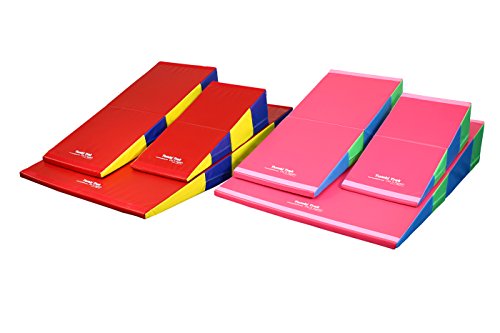
HIGH QUALITY - Each mat is covered in an extremely durable 18oz knife coated vinyl material. The vinyl is stretched tightly over an industry-leading EVA foam (the highest quality cross-linked polyethylene foam on the market)

CLASSROOM AND IN-HOME USE: These rest mats are built for early learning and homeschool settings. Each mat has interior stitching for smooth, reinforced edges and includes a built-in clear name tag holder for classroom organization.
The Significance of Physical Music Formats Today
As interest in music grows, many people are discovering the significance of physical music formats like vinyl records. Vinyl sales in the U.S. have increased, reflecting a desire for tangible music experiences. Record Store Day enhances this trend, inviting fans to explore exclusive vinyl releases. Handling vinyl adds a tactile connection, deepening emotional ties to music. While digital platforms dominate, communities around independent record stores thrive, hosting live events and celebrating physical music’s cultural significance. This resurgence connects to broader values, such as slow living and mindfulness, emphasizing physical interactions and authenticity. To appreciate physical formats, start by visiting local record shops. You might be surprised by the unique finds awaiting you on Record Store Day!
Recommended Products


The Future of Record Store Day in an Evolving Industry
With the music industry constantly changing, Record Store Day (RSD) faces both challenges and opportunities ahead. The appeal of physical music remains strong, especially with increasing demand for exclusive vinyl releases. However, independent record stores must navigate major-label competition that impacts production capacity. As RSD evolves, it’s essential to maintain focus on the original mission: supporting indie shops and fostering a vibrant music culture.
Additionally, the influence of digital music and social media on younger consumers is growing. To stay relevant, RSD can engage these audiences through online promotions and community events. Balancing nostalgic experiences with modern trends will be key. Independent stores should highlight unique offerings while nurturing authentic connections with their customers to secure a thriving future for Record Store Day.
Recommended Products

Exclusive Limited Edition Crystal Clear Colored 2x Vinyl LP #/7000


Frequently Asked Questions
What Is the Cultural Significance of Vinyl Records?
The cultural significance of vinyl records lies in their resurgence, encapsulating music nostalgia and analog appeal. They foster a passionate collector’s community, emphasizing tactile experiences and emotional connections, contrasting the digital music landscape of today.
What Is the Purpose of Record Store Day?
Record Store Day exists to celebrate music, support local shops, and promote artists, all while lovingly reviving nostalgia for bygone eras. It’s a grand gathering where vinyl enthusiasts indulge in their collective sentimental journeys.
How Did the Record Player Impact Society?
The record player impacted society by serving as vintage technology that fostered music nostalgia. Its superior audio quality encouraged social connections, allowing people to share experiences and discover diverse genres, enriching cultural exchange and personal relationships.
Why Is Gen Z Buying Vinyl?
Like a warm embrace from the past, Gen Z is buying vinyl for its audio quality and nostalgic experience. The vinyl resurgence reflects a love for retro aesthetics, enhancing their collections with unique, cherished records.