As an Amazon Associate, we earn from qualifying purchases. Some links on this site are affiliate links at no extra cost to you. Our recommendations are based on thorough research and editorial judgment.


The Evolution of Vinyl Records From Edison to Today

The evolution of vinyl records started with Edison’s phonograph in 1877, which used cylinders to capture sound. In 1887, Berliner introduced flat discs with his gramophone. The Long Play record emerged in 1948, allowing over 20 minutes of sound. The 1950s and 60s marked the Golden Age of Vinyl, but its popularity dropped in the 1980s with CDs. Recently, vinyl’s popularity has surged again, revealing fascinating changes in music culture. Keep exploring to discover more insights.
Key Takeaways
- Thomas Edison invented the phonograph in 1877, using tinfoil cylinders for sound recording, which paved the way for future audio technology.
- Emile Berliner’s gramophone, introduced in 1887, transitioned from cylinders to flat discs, revolutionizing sound playback and mass production.
- The Long Play (LP) record was launched in 1948, enabling over 20 minutes of music per side and marking the Golden Age of Vinyl in the 1950s-1970s.
- Vinyl records saw a decline in the 1980s with the rise of CDs but have since surged, generating $1.2 billion revenue in 2022.
- Contemporary artists release vinyl albums, reviving interest in physical formats and cultivating a vibrant culture among collectors and audiophiles today.
The Birth of Sound Recording
You may be interested

In the late 19th century, the world of sound recording began to evolve dramatically. In 1877, Thomas Edison invented the phonograph, which could capture and replay sound using tinfoil cylinders. This first device required a hand-cranked mechanism and used two needles—one for recording and another for playback. Fast forward to 1887, when Emile Berliner introduced the gramophone, marking a shift to flat disc records. This new design allowed easier mass production and playback. Early records were made from shellac and typically spun at 78 RPM, providing about four minutes of audio per side. With the introduction of high-density polypropylene, today’s vinyl records can be protected with superior sleeves that prevent dust and scratches. Then, in 1948, the LP format emerged, utilizing polyvinyl chloride (PVC) to enhance sound quality and offer longer playtimes across multiple tracks, revolutionizing sound recording.
The Transition From Cylinders to Discs

While sound recording technology advanced quickly, the conversion from cylinders to discs was particularly significant. Thomas Edison invented the phonograph in 1877, using foil-coated cylinders for sound recording and playback. By the 1880s, Emile Berliner introduced the gramophone, which changed to flat discs. These discs could be mass-produced and played back easily, making them a favorite. Early recordings were made from brittle shellac, playing at 78 RPM and allowing about four minutes of sound. In 1948, Columbia Records changed the game again with the Long Play (LP), crafted from durable polyvinyl chloride (PVC) and capable of holding multiple tracks. RCA Victor followed suit with the 45 RPM vinyl single, enhancing music consumption and solidifying the role of flat discs. Test records like the Clearaudio Azimuth Optimizer have become essential tools to ensure optimal sound quality by aligning the stylus perfectly in the groove.
Recommended Products

Precision Calibration for Turntables: The Turntable Phono Cartridge Stylus Alignment Protractor Tool ensures impeccable sound experiences by offering precise calibration for your vinyl record player

Mirrored cartridge alignment protractor provides improved visibility for cartridge alignment

【Turntables Phono-cartridge Calibrate Mat】- 1. Phono Cartridge Alignment Turntable Protractor Mat is a useful calibration distance gauge tool to adjust the vinyl records;2. There's a blank side A of this disc with no grooves, and it's used to test the skidding force of stylus. And adjust the antiskating until the tonearm remains centered; 3. Side B is used to calibrate the head.
The Rise of the Vinyl Record

The introduction of the Long Play (LP) record marked a new chapter in audio history. Released by Columbia Records in 1948, this format allowed over 20 minutes of music per side, a significant improvement over earlier shellac records. The LP’s microgroove design reduced surface noise and enhanced sound quality, appealing to both musicians and music lovers. The 1950s and 1960s are recognized as the Golden Age of Vinyl, where major labels dominated record sales. Concurrently, the 7-inch 45 RPM single became popular for shorter tracks, defining industry standards. Vinyl records transformed into cultural icons, with striking album artwork enhancing their appeal. Today, their resurgence shows a renewed appreciation for physical media and its lasting cultural impact in the history of vinyl records. Limited edition releases continue to attract serious collectors, adding exclusivity and higher market value to certain records.
Recommended Products

✅【 SUPERIOR QUALLITY RECORD PROTECTION】: Vinyl Record Sleeves to Get the Ultimate Protection for Your Precious Vinyl Albums: Collecting priceless vinyl records require not just your investment but your commitment. That's why you need the EVEO Vinyl Record Sleeves Outer. These superior quality plastic record sleeves help preserve each one of your vinyl record albums and protects them from the outside against dirt, dust, scratches, liquid stains & other elements that may ruin their condition
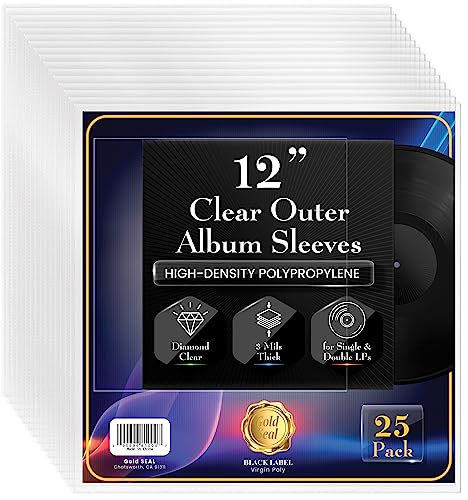
BEST PROTECTION - Gold Seal high-density polypropylene provides superior protection vs. other sleeves made of polyethylene (PE) which is known to take on a dingy appearance over time

Maximum Transparency: Big Fudge offers the best way to exhibit your precious vinyl record collection with our crystal clear vinyl record sleeves. Made from high-density polypropylene, our sleeves are transparent and don’t cloud easily unlike industry standard sleeves that are made from polyethylene.
The Golden Age of Vinyl (1950s-1970s)

Amid a wave of creativity, the 1950s and 1970s became a defining period for vinyl records. This era is known as the Golden Age of Vinyl, where the LP format emerged as the mainstay for music playback. LPs allowed over 20 minutes of music per side, enhancing the listening experience markedly. Iconic albums, such as The Beatles’ “Sgt. Pepper’s Lonely Hearts Club Band,” showcased the artistic potential of vinyl. Album artwork also flourished, with designs like Andy Warhol’s cover for The Velvet Underground & Nico becoming cultural symbols. During this time, major labels dominated, resulting in peak vinyl sales. Vinyl records influenced not just listening habits but also how music was created, solidifying their cultural significance. The resurgence of interest in vintage charm can be linked to this era, as many modern record players incorporate retro aesthetics while integrating contemporary technologies.
Recommended Products

【Vintage Record Player】Bluetooth Input & AUX Audio input & RCA line-out & Headphone jack. 2 Built in stereo speakers,with Bluetooth wireless technology,elegantly listen to the music from your smart phone.Use Aux cable input to directly play the music. Or enjoy your time with headphone. For better or louder sound, connect external speaker via RCA cable.

VINTAGE LOOKING&GREAT IDEA OPTIONS - As a music player combined age and modern sense, A vintage and fashion style record player is a great idea for your loving family and friends at all festivals. No matter to awake a good time in memory, start an elementary musical education, or just prepare a birthday surprise

Exquisite Appearance, Built from wood and metal materials with a unique sense of layering, The streamlined corner design is truly atmospheric and stylish
The Decline of Vinyl Records

Throughout the 1980s, a noticeable shift occurred in the music industry, leading to a decline in vinyl records. The introduction of compact discs and cassette tapes offered greater portability and higher quality, appealing to consumers. By 1991, vinyl sales plummeted to less than 5% of total music sales in the United States. Many record stores shut down during the 1990s as demand dwindled, drastically reducing access to physical records. Vinyl increasingly became a niche market, viewed as collectibles rather than mainstream media. Despite this decline, audiophiles argued that vinyl provided superior sound quality, characterized by warmth and depth versus digital formats. This passionate group helped sustain interest in vinyl, ensuring its continued presence in a changing landscape. Some enthusiasts even preferred using external speakers to enhance the audio quality of their vinyl records, supporting the ongoing appreciation for the format’s distinct sound characteristics.
The Digital Revolution and Its Impact
As music technology advanced, the digital revolution transformed how listeners experienced their favorite tunes. The introduction of compact discs in the 1980s marked this shift, causing vinyl sales to drop dramatically. By 1991, vinyl comprised less than 10% of recorded music market share. The rise of MP3s and online platforms in the late 1990s further changed the music industry, shifting preferences toward digital formats. Despite this trend, audiophiles often argue about sound quality, preferring the warmth of vinyl. Notably, a resurgence in physical music occurred in 2020, when vinyl outsold CDs for the first time since the 1980s. This shift shows that, even in the digital age, there’s a place for tactile experiences in music enjoyment. Proper sleeve choice aids in minimizing dust and damage, ensuring that vinyl records remain a viable and cherished format for audiophiles and collectors alike.
The Vinyl Revival of the 2000s
The mid-2000s sparked a remarkable transformation in the music industry known as the Vinyl Revival. During this time, vinyl sales increased dramatically as music enthusiasts sought tangible music formats. Record Store Day, established in 2008, promoted vinyl culture with exclusive vinyl releases and special events. This helped strengthen community ties among collectors and casual listeners alike. By 2021, vinyl sales surged over 50% from 2020, indicating a strong demand. In 2022, for the first time since 1987, vinyl outsold CDs in the U.S. Many artists now release their albums on vinyl, appealing to younger generations intrigued by the warm sound and unique experience of vinyl records. Record shops have also happily embraced this resurgence, becoming hubs for modern music lovers. Technics turntables have played a significant role in this resurgence, offering models that cater to both audiophiles and casual listeners with features like direct-drive systems and Bluetooth connectivity.
Recommended Products
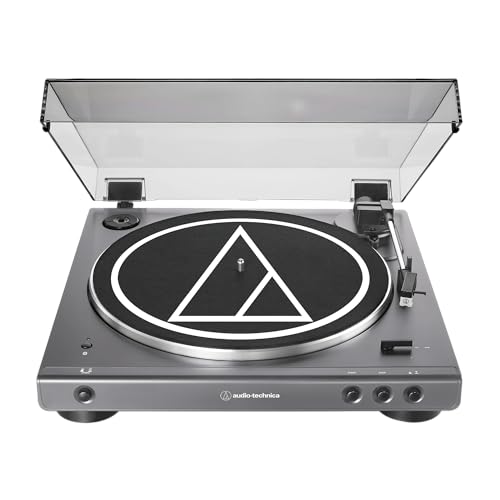
High-fidelity audio with Bluetooth wireless technology Connects wirelessly to speakers and other devices equipped with Bluetooth wireless technology or to wired audio systems and powered speakers via included dual RCA output cable Compatible with aptX codec Fully automatic operation with two speeds: 33-1/3 and 45 RPM Anti-resonance, die-cast aluminum platter Redesigned tonearm base and headshell for improved tracking and reduced resonance Integral Dual Moving Magnet phono cartridge with replaceable diamond stylus (ATN3600LC) AC adapter handles AC/DC conversion outside of the chassis, reducing noise in the signal chain

6-in-1 ENTERTAINMENT CENTER - With traditional farmhouse looks on the outside & modern features inside, listen your way; vinyl records, FM radio, CDs, cassettes or stream music from your smartphone via Bluetooth or 3.5 mm Auxiliary/headphone jack

High-fidelity audio with Bluetooth wireless technology.
The Modern Era of Vinyl
In recent years, there has been a significant resurgence in vinyl records, enchanting both seasoned audiophiles and new listeners alike. The modern era of vinyl began in the mid-2000s, leading to impressive sales figures. In 2022, vinyl sales in the U.S. surpassed $1.2 billion, even outselling CDs for the first time since 1987. Key events like Record Store Day, established in 2008, celebrate vinyl culture and promote exclusive releases that foster community engagement. Popular artists, such as Taylor Swift and Olivia Rodrigo, have embraced this format, boosting sales further. This growing interest in physical media shows that despite the digital age, listeners appreciate the rich history and unique sound that vinyl offers. Many enthusiasts favor vinyl for its warmth and character, which are often highlighted in high-quality audiophile systems.
Recommended Products


Experience the high-fidelity audio of vinyl.

100W Hi-Fi Stereo Sound System: Equipped with dual bookshelf speakers (100w RMS Power, 400w Peak Power), the HiFire X delivers immersive, balanced sound. Each 5.3” woofer produces rich, punchy bass, while 1.5” silk dome tweeters deliver smooth, detailed highs—perfect for vinyl or wireless streaming.
The Future of Vinyl Records
How will vinyl records continue to thrive in the coming years? The future looks promising for vinyl records, as sales have surpassed CD sales for the first time since the late 1980s. In 2022, vinyl records generated $1.2 billion, making up 71% of all physical music sales in the U.S. Audiophiles and collectors remain dedicated to this format, seeking oversized releases and special editions. Contemporary artists are increasingly releasing their albums on vinyl, ensuring its relevance in today’s music scene. As the market expands, these special releases will attract more music enthusiasts. For those starting a collection, exploring local record stores could reveal hidden gems. Embrace this legacy, and enjoy the rich experience of vinyl records. To further enhance the listening experience, consider using turntable isolation platforms to reduce vibrations and improve sound quality.
Frequently Asked Questions
What Materials Are Used to Make Modern Vinyl Records?
Modern vinyl records primarily utilize polyvinyl chloride, employing advanced mastering processes and pressing techniques at specialized pressing plants. Factors like record weights and injection molding influence audio fidelity, while collectible editions aim to reduce surface noise.
How Should I Properly Clean My Vinyl Records?
To properly clean vinyl records, one should use vinyl cleaning solutions, record brushes, and anti-static cloths. Cleaning frequency, drying methods, and storage after cleaning are essential for maintaining vinyl care. Consider cleaning machines and homemade cleaners for best results.
What Is the Difference Between 33, 45, and 78 RPM Records?
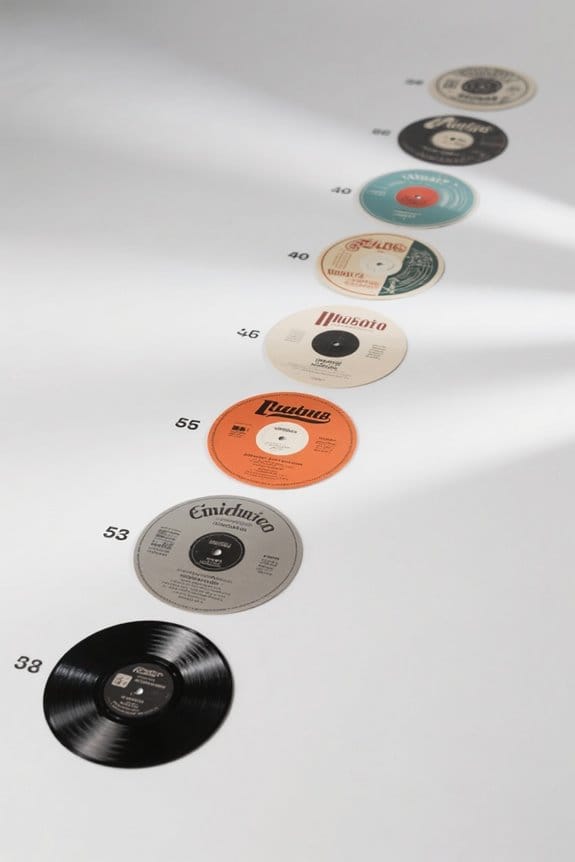
33, 45, and 78 RPM records represent distinct playback speeds, impacting sonic quality and genre preferences. Their format history reflects collector trends, equipment compatibility, and vintage appeal, showcasing technological advancements throughout the evolution of recorded music.
Are Colored Vinyl Records of Lower Quality Than Black Ones?
Colored vinyl records are not inherently of lower sound quality than black ones; differences arise from pressing techniques and manufacturing processes. Auditory experience often varies, influenced by aesthetic preferences and genre, impacting audience perception and collector value.
How Can I Store Vinyl Records to Prevent Damage?
How can one protect cherished vinyl records from damage? Proper shelving, vertical stacking, climate control with regulated temperature and humidity, dust protection using inner and outer sleeves, and avoidance of sunlight are essential for preserving quality.