As an Amazon Associate, we earn from qualifying purchases. Some links on this site are affiliate links at no extra cost to you. Our recommendations are based on thorough research and editorial judgment.


The Future of Vinyl Manufacturing

The future of vinyl manufacturing looks promising with new technologies and a focus on sustainability. Innovations like recyclable materials and improved pressing methods are emerging. Companies are exploring alternatives to PVC, such as PET and bioplastics, which are environmentally friendly. Short-run vinyl pressing allows independent artists to create special editions without excess inventory. This helps cater to niche markets. By understanding these trends, one can appreciate the evolving landscape of vinyl amidst increasing demand and eco-conscious practices.
Key Takeaways
- Innovations in materials, like bioplastics and recyclable alternatives, will continue to reduce the environmental impact of vinyl production.
- The industry’s shift towards eco-friendly practices will enhance sustainability and attract environmentally conscious consumers.
- Technological advancements, such as improved manufacturing processes, will increase efficiency and reduce production lead times.
- The trend of limited edition vinyl releases will provide new opportunities for independent artists and increase market engagement.
- Continued emphasis on superior audio quality and sustainable practices will shape the future of the vinyl industry as both art and commodity.
The Resurgence of Vinyl in the Music Industry
You may be interested


In recent years, music lovers have noticed a remarkable turn in the industry as vinyl records reclaim their popularity. Vinyl sales have surged, outpacing CD sales for the first time since 1987. This trend, highlighted by 17 consecutive years of growth, attracts attention from artists and labels enthusiastic to meet demand. Younger generations are particularly engaged, viewing vinyl as a nostalgic and authentic music experience. Retailers like Gotta Groove focus on this demographic, ensuring appealing offerings. Alongside this resurgence, there’s a growing emphasis on sustainable production methods. Many record manufacturers are adopting practices that minimize environmental impact. This shift reassures consumers, blending love for music with responsible choices, making vinyl a favored format not just for listening, but for responsible consumption. Some music sequencers now offer features that cater to both digital and analog formats, allowing artists to seamlessly integrate vinyl into their production processes.
Traditional Vinyl Production: Challenges and Limitations

Vinyl’s comeback in the music industry presents a unique set of challenges in traditional production methods. The traditional vinyl production process primarily uses polyvinyl chloride (PVC), which is not biodegradable and produces toxic byproducts during manufacturing. These environmental concerns must be addressed, as vinyl records take about 1,000 years to decompose, creating waste management issues. Additionally, existing pressing plants often rely on energy-intensive mechanical presses, leading to high carbon emissions and long production times. Backlogs can reach up to three months, making it hard for artists to meet vinyl demand. Workers also face health risks due to harmful chemical baths used in the process. Understanding these challenges is key for anyone interested in vinyl manufacturing today.
Recommended Products

No More Scratchy White Noise - Enjoy clear audio whenever you play your favorite LP records. This turntable slip mat provides professional sound-dampening effects to help reduce static and crackle.

Pure Sound Optimization: Precision-machined from premium acrylic with density similar to vinyl records. This acrylic turntable mat effectively dampens unwanted micro-vibrations, giving vinyl collectors a tighter bass response and a noticeably cleaner, fuller audio output;
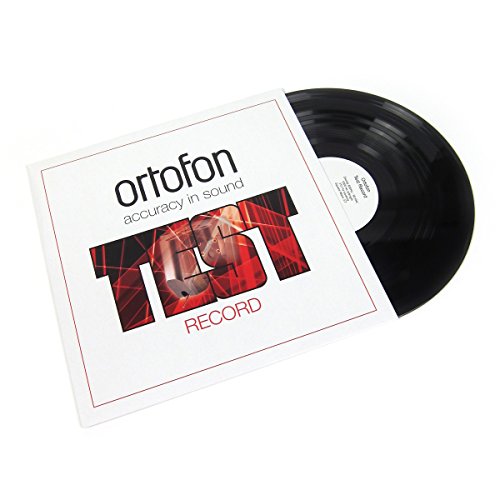
includes test disc + instructions
Innovations in Vinyl Manufacturing Technology

Many innovative practices are reshaping the landscape of vinyl manufacturing. Companies like Green Vinyl Records are now using recyclable non-PVC materials, making vinyl pressing more environmentally friendly. This approach considerably reduces emissions during production. Viryl Tech’s WarmTone technology has improved efficiency, cutting record stamping time by 50%. This fast method also enhances quality control. Additionally, Sonopress EcoRecord utilizes injection molding techniques that improve sound quality while lowering costs. Evolution Music’s Evovinyl incorporates bioplastics, aligning with circular economy principles. Finally, Newbilt Machinery and VirylTech are developing systems aimed at decreasing water usage and carbon emissions in vinyl production. These advancements benefit independent artists by creating high-quality records through sustainable production technology. A comprehensive cleaning solution for vinyl records, such as those provided by vinyl record cleaning kits, can help maintain the quality and longevity of these sustainably produced records.
Recommended Products
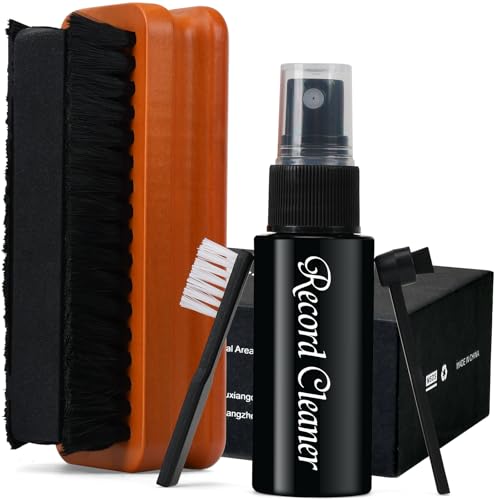
Patented Design - The record cleaning brush is made with a combination of velvet and microfiber that is tailor-made for efficient cleaning of vinyl records, effectively removing dust and minimizing noise.

Made by Professionals for Professionals: There are many products for record collectors today, yet our brand stands out. Recognized globally by new and old vinyl fans alike, we offer a professional vinyl cleaner and care solution for your needs.

【Complete Vinyl Record Cleaning Kit】 - Extreme care & regular maintenance is paramount to every vinyl album collection. This 7-in-1 vinyl record cleaning kit contains everything you need: Vinyl Record Cleaner, Velvet Brush, Microfiber Brush,Stylus Brush,Label Protector, Air Blower,Duster for Velvet Brush, Restore LPs Album.
The Role of Sustainability in Vinyl Production

As the vinyl industry evolves, understanding the role of sustainability in its production becomes essential for both consumers and producers. Sustainable production practices are vital as vinyl records are primarily made from PVC, which has a significant carbon footprint. Embracing eco-friendly alternatives like bioplastics can help mitigate this issue. Companies such as Coldplay and Third Man Records are incorporating recycled materials to lower the environmental impact of vinyl manufacturing. Organizations like the Vinyl Record Manufacturers Association advocate for accountability and sustainability in production processes. Innovative solutions from companies like VirylTech aim to reduce water consumption and carbon emissions. Together, these efforts support a circular economy by promoting recycling and environmentally friendly practices within the vinyl industry. Additionally, the use of solid wood variations in vinyl record wall shelves showcases a commitment to both aesthetic appeal and sustainability.
Exploring Alternative Materials: PVC vs. PET

While many people enjoy the warm sound of vinyl records, an important discussion about materials is unfolding. Traditional vinyl records are made from polyvinyl chloride (PVC), a plastic that poses environmental concerns. PVC creates toxic waste during production and takes around 1,000 years to decompose. However, companies are exploring polyethylene terephthalate (PET) as a sustainable alternative. Although PET initially requires more energy to produce, it offers lower chemical use and quicker recycling options. EcoRecord is a brand using recycled PET, aiming to cut down on virgin plastic. Gotta Groove is testing injection molding with PET, which might help overcome past quality issues. As the industry progresses, the balance of sound quality and environmental impact will remain crucial. Additionally, the rising vinyl demand has led to a surge in interest for innovative solutions like PET, as collectors seek eco-friendly options without compromising audio quality.
Recommended Products

COLLECTION STARTER lots can be used for vintage decoration, as party items or unique gifts

✔ THE ORIGINAL - Original design, simple and practical

❤ POLISH WITH KARMA – Made in the USA, our polishes use a natural formula that is fast drying, non-yellowing, and gentle on your nails.
Enhancing Sound Quality Through Modern Techniques
Modern techniques are transforming the world of vinyl manufacturing, enhancing sound quality in impressive ways. For instance, companies like Viryl Tech use innovative equipment like WarmTone, which cuts record stamping time by 50% while improving inspection processes. This results in better sound quality. Record manufacturers are also exploring injection molding, as seen in Gotta Groove’s approach. This technique allows for precise shaping of vinyl records, surpassing traditional methods. In addition, sustainable practices are on the rise. For example, Deep Grooves uses bio-vinyl to produce high-quality records, thereby reducing carbon footprints. By blending traditional methods with these modern advancements, manufacturers create records that not only meet audiophile standards but also prioritize environmental responsibility. The future of vinyl looks promising. A key advancement in record care is the use of Ultrasonic cleaning technology, which effectively removes dirt and enhances playback quality, further contributing to an improved listening experience.
Recommended Products
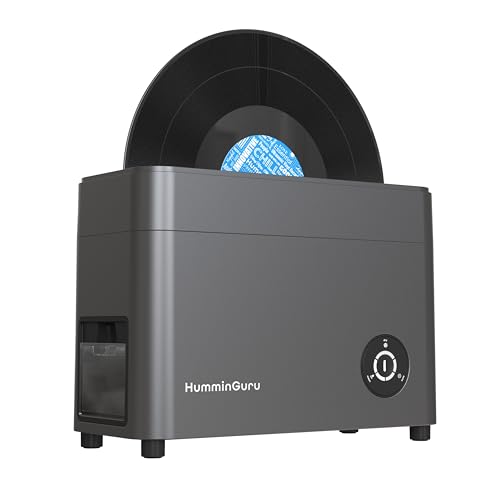
Audiophile-Safe 40kHz Ultrasonic Vinyl Record Cleaner: Engineered with dual transducers and a single-unit closed-loop stainless steel basin for maximum energy efficiency. With a precisely calibrated ratio of power, frequency, and 10mm proximity distance, it ensures maximum deep-groove dirt removal with zero risk of record damage. Acclaimed by leading audio publications and trusted by thousands of vinyl collectors worldwide, it delivers safe, contactless lp cleaning for long-term record preservation.

Premium Material: Constructed with high-grade 304 stainless steel, featuring an internal water tank size of 11.8 x 5.9 x 5.9 inches. Resistant to rust even after prolonged use, ensuring no liquid leakage. The stainless steel lid effectively prevents dust entry when not in use.

Premium SUS304 Material: Tank Size: 6L/1.59 Gal; Ultrasonic Power: 180W; Heating Power: 300W. This Sonic Cleaner is constructed with sturdy 304 stainless steel, ensuring no water leakage and long service life. A ball-shaped basket is available to decrease collision between sharp items and the tank.
Short-Run Vinyl Pressing: Catering to Niche Markets
Short-run vinyl pressing presents a valuable opportunity for independent artists seeking to engage niche markets. This method allows artists to create limited editions without the financial burden of overstocking. With quicker turnaround times, they can launch records during events, connecting with music enthusiasts effectively. Artists can test market demand for new releases, leading to better profits on exclusive pressings. Unique options, like colored vinyl, attract collectors looking for rare items. Most importantly, short-run vinyl supports sustainable production practices, reducing waste and aligning with eco-friendly values. Those interested can explore local pressing plants that offer short-run services, making it easier than ever for independent artists to bring their visions to life in an environmentally conscious way. Additionally, artists can choose versatile floating shelves to display their limited editions, allowing them to showcase their creations stylishly and functionally.
Recommended Products

Slim Design: Perfectly sized for a curated display of vinyl records, nail polish bottles, small photo frames, and mini action figures. The shelf's compact dimensions (11.97"W x 1.57"H) feature a slim 1.5" inner depth to securely hold your items.

【Acrylic Record Holder】 Invisible appearance is specially designed for displaying your favorite vinyl records like floating in the air without detracting from them. You can easily find and change the albums.This vinyl shelf is a perfect gift for music lovers and vinyl collectors.

【Premium Wood Vinyl Shelf】 The vinyl holder wall mount for wall crafted from solid wood with a sleek black finish, expertly designed for elegant display of your cherished vinyl collection. Durable, easy to clean,solid wood design vinyl record storage ensures convenient access and effortless browsing for your records.
The Future Outlook: Trends and Predictions for Vinyl
What does the future hold for the vinyl industry? Industry experts predict growth in vinyl production, although some warn of a potential plateau in 2026. Younger artists are embracing record pressing, often opting for limited edition releases to attract collectors. This rise in demand allows independent musicians to create affordable, short-run vinyl without huge risks. Sustainability is a significant trend, as artists and major labels increasingly adopt eco-friendly materials like PET and bio-vinyl. These materials help ascertain that vinyl production aligns with greener practices, positively impacting the environment. As the market evolves, embracing sustainability may become just as important as the music itself, assuring vinyl continues to thrive for years to come. Additionally, the demand for superior audio clarity in turntable cartridges is driving innovation, enhancing the listening experience for vinyl enthusiasts.
Frequently Asked Questions
Is the Vinyl Industry Growing?
The vinyl industry is growing, driven by positive vinyl trends, innovative production methods, and market analysis. Consumers favor sustainable practices and adaptive pricing strategies, reflecting changing preferences that support continued expansion among diverse demographics.
Is Vinyl Worth It in 2026?
In 2026, vinyl remains worthwhile; vibrant grooves encapsulate analog warmth, blending collector value with sustainable materials. As vinyl production costs rise, sound quality debates and market trends favor dedicated audiophiles, ensuring enduring appreciation amid digital dominance.
Is Vinyl Making a Come Back?
Vinyl is indeed making a comeback, driven by nostalgic sentiments and a desire for superior audio quality. This cultural revival attracts record collectors, as modern vinyl sales reflect an appreciation for a richer music experience.
Why Is Gen Z Buying Vinyl?
Gen Z buys vinyl for its nostalgic appeal, appreciating the superior music quality, unique artwork, and tactile interaction. This vintage resurgence also fosters social experiences, allowing deeper connections among music lovers through shared collecting and enjoyment.


