As an Amazon Associate, we earn from qualifying purchases. Some links on this site are affiliate links at no extra cost to you. Our recommendations are based on thorough research and editorial judgment.


The Golden Age of Vinyl in the 1950s and 1960s

The golden age of vinyl in the 1950s and 1960s introduced the 12-inch LP format, allowing up to 22 minutes of music per side. This era saw iconic artists like Elvis Presley and The Beatles shape music culture. The format encouraged diverse genres, making vinyl accessible to many. Striking album art became essential for branding and consumer choice. Exploring this era will reveal how vinyl impacted society and shaped the music we love today.
Key Takeaways
- The introduction of the LP format in 1948 allowed longer playtime, enhancing artistic expression in music throughout the 1950s and 1960s.
- Iconic artists like Elvis Presley and The Beatles transformed music culture, using vinyl to channel youth expression during a period of cultural upheaval.
- The mass production of vinyl records made music more affordable and accessible, promoting a diverse exploration of genres among listeners.
- Intricate album art became a vital aspect of records, allowing for greater visual appeal and serving as a branding tool for artists.
- Vinyl’s superior sound quality and durability in the 1950s and 1960s contributed to its enduring popularity, establishing it as the preferred medium for music lovers.
The Birth of Vinyl Records
You may be interested


When vinyl records first appeared, they brought a significant change to the music industry. In 1931, RCA Victor launched the first 12-inch vinyl record, marking the beginning of vinyl’s popularity over shellac recordings. This shift allowed for better sound quality and durability. By 1948, Columbia Records introduced the LP format, which could hold up to 22 minutes of music per side. This development improved the listening experience and increased music consumption. With the mass production of vinyl records in the 1950s, they became affordable and accessible to a broader audience. This transformation solidified vinyl’s presence in the industry, helping it establish a standard that shaped music sharing for decades to come. Many modern vinyl enthusiasts appreciate the durability and sound quality of vinyl records, as they continue to provide an unmatched listening experience. Understanding these milestones enriches one’s appreciation of music history.
The Rise of the LP Format

The LP format, introduced by Columbia Records in 1948, marked a turning point in how music was experienced. This 12-inch record allowed up to 22 minutes of music on each side, making it possible to enjoy entire albums. The rise of the LP format in the 1950s and 1960s enhanced the listening experience with superior sound quality. Mass production techniques led to lower prices, making LPs accessible to a wider audience. As genres like rock & roll and rhythm & blues flourished, LP records became staples in homes across America. Landmark albums, like The Beatles’ “Sgt. Pepper’s Lonely Hearts Club Band,” showcased the artistic potential of this format, solidifying its place in music history. Technics turntables emphasize build quality, including high-sensitivity tonearms made from aluminum for accurate tracking and direct-drive motors for stable playback, which contribute to the superior sound quality that defined the LP era.
Recommended Products

Seamless Bluetooth 5.3 Streaming Meets Authentic Vinyl Warmth:Cut the cords without an ounce of audio lag. This vinyl record player unleashes Bluetooth 5.3, streaming your LPs to any Bluetooth speaker or headphones with incredible range and stability. The built‑in transmitter automatically reconnects to your paired device, so all you do is drop the needle. Want to keep the classic wired setup? Just plug into powered speakers via RCA—this bluetooth record player gives you both paths. It transforms any room into a vintage‑style listening lounge without cable clutter, making it the ideal record player with Bluetooth for late‑night jazz, dinner parties, or solo deep‑listening.

Experience the high-fidelity audio of vinyl
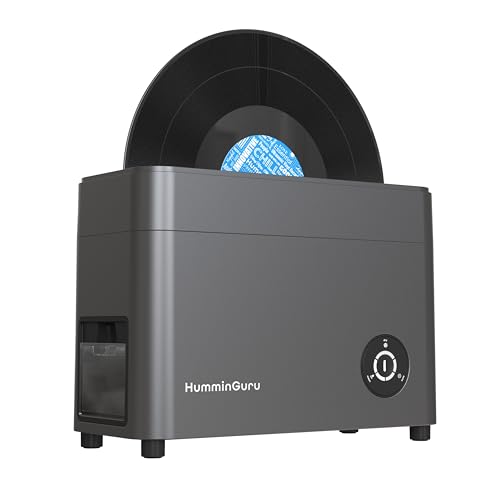
Audiophile-Safe 40kHz Ultrasonic Vinyl Record Cleaner: Engineered with dual transducers and a single-unit closed-loop stainless steel basin for maximum energy efficiency. With a precisely calibrated ratio of power, frequency, and 10mm proximity distance, it ensures maximum deep-groove dirt removal with zero risk of record damage. Acclaimed by leading audio publications and trusted by thousands of vinyl collectors worldwide, it delivers safe, contactless lp cleaning for long-term record preservation.
Iconic Artists and Their Impact

Iconic artists shaped the musical landscape of the 1950s and 1960s, leaving a profound impact on culture. Legends like Elvis Presley and The Beatles released iconic albums that transformed music culture. Their songs became a cultural phenomenon, influencing countless musicians who followed. Bob Dylan’s unique sound and poetic lyrics redefined popular music, merging folk and rock genres. Aretha Franklin, with her powerful voice, championed soul music, rightfully earning the title “Queen of Soul.” Vinyl records of artists like Ray Charles and Chuck Berry established classics that remain beloved today. The 12-inch LP format allowed these artists to express their artistry fully, showcasing entire stories within their music. This era’s contributions continue to resonate, reminding us of their artistic significance. Artists utilized advanced stylus shapes in their recordings to improve sound detail and enhance the listening experience for their audience.
Musical Diversity in the 1950s and 1960s

Many notable artists of the 1950s and 1960s opened the door to a rich array of musical styles. Musical diversity flourished during this time, with genres like rock and roll, rhythm and blues, and jazz enthralling audiences. Vinyl records became essential for sharing this music, especially with the introduction of the 12-inch LP format. This longer playtime allowed artists to express a wider range of creativity in their recordings. Notable figures like Elvis Presley and The Beatles transformed the music landscape, using their records as platforms for youth expression. With affordable vinyl records readily available, home listening became a common experience, encouraging fans to explore different genres. This period marked a significant cultural shift in how music was enjoyed and understood. Ultrasonic cleaning technology ensures that vinyl records remain pristine, allowing enthusiasts to preserve these pieces of history and continue enjoying the rich sounds of the era.
The Significance of Album Art

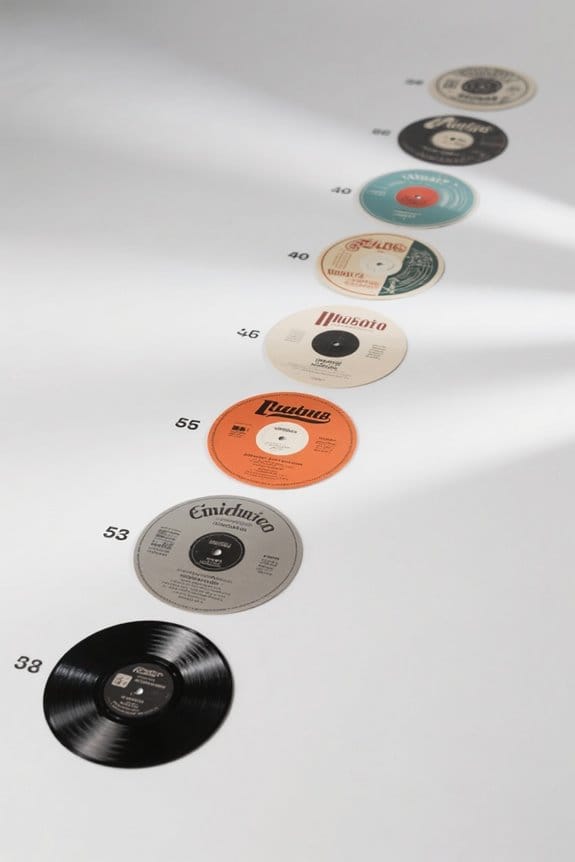
Album art plays an essential role in the experience of music. During the 1950s and 1960s, album covers evolved from simple labels to intricate artworks. The introduction of the 12-inch LP format allowed for larger designs, enhancing visual appeal. Iconic examples, like The Beatles’ “Sgt. Pepper’s Lonely Hearts Club Band,” became cultural artifacts, showcasing artistic movements of the time. When creating or selecting album artwork, musicians and designers invested effort into making covers memorable. This process often serves as branding, connecting artists to their audience through striking visuals. A well-designed album cover can influence consumer choices, turning music into a visual experience. Ultimately, album art complements the sound, creating a holistic relationship between music and its presentation. With the rise of advanced audio formats like Dolby Atmos and DTS:X, the importance of album art in providing a complete sensory experience persists even today.
Vinyl as a Cultural Phenomenon
Vinyl records emerged as a powerful cultural force in the 1950s and 1960s. Music enthusiasts embraced this format, not just for sound quality, but for its cultural impact. Icons like Elvis Presley and The Beatles put vinyl at the forefront of music, shaping societal norms and artistic expression. During this time, vinyl became essential for sharing social messages and embodying youthful rebellion. People often chose records based on album artwork, which added to the vinyl experience. This era saw millions of records sold, fueled by the rise of rock and roll and rhythm and blues. Collecting vinyl became more than just listening; it was about connection and identity among fans. Understanding this cultural wave can enrich any vinyl collection today.
Technological Innovations in Vinyl Production
Technological advancements in the 1950s and 1960s greatly improved vinyl production methods. The introduction of the 33 1/3 RPM long-playing record by Columbia in 1948 allowed for extended playback, revolutionizing music consumption. Advances in microgroove technology enabled more tracks to fit in a smaller space, enhancing convenience. By the late 1950s, stereo sound changed the game, offering a richer experience that captivated listeners. Improved pressing techniques in the 1960s increased durability and sound quality, solidifying vinyl as the go-to format. The development of proper storage methods helped prevent vinyl warping and preserved the sound quality of records over time. Finally, the rise of the 12-inch record allowed large album art, blending music and visual design in a unique soundscape. Together, these advancements guaranteed vinyl’s enduring popularity.
Recommended Products

HumminGuru Ultrasonic Vinyl Record Cleaner Machine

Protect Collectible 33 1/3 Records
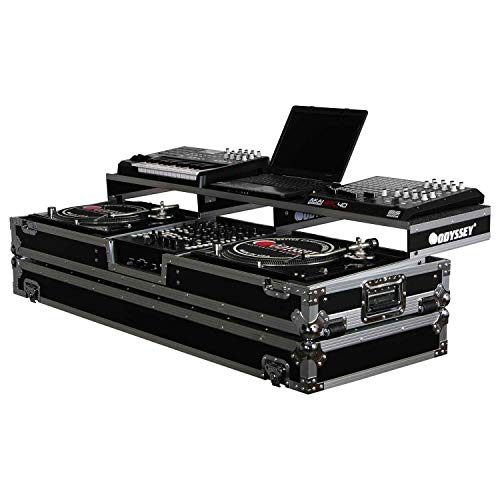
Removable Full Width Patented Glide Platform.
The Listening Experience on Turntables
When music lovers sit down to enjoy their favorite records, they engage in a listening experience unlike any other. The 33 1/3 RPM long-playing (LP) records from the 1950s allowed up to 22 minutes of music per side, which extended playtime appreciably. Using a quality turntable enhances this analog sound, making the music feel fuller and richer. When you place the needle on a vinyl record, it’s a tactile ritual that invites deeper focus and engagement. The emergence of stereo sound in the 1960s further enriched the listening experience, as it separated distinct sounds. Don’t forget the aesthetic appeal of large album artwork, which enhances emotional connections to the music, making listening to vinyl records a multi-sensory enjoyment. Additionally, modern automatic record changers with versatile playback options allow users to enjoy both vintage and modern audio formats, creating a seamless blend of past and present.
Recommended Products

REDISCOVER YOUR PASSION FOR VINYL - Listen to your analog music in a brand new way with this rigid diecast aluminum vinyl turntable that comes with standard mount headshell, S-shaped tonearm, direct drive motor, and has rotation speeds of 33 1/3, 45, or 78 rpm
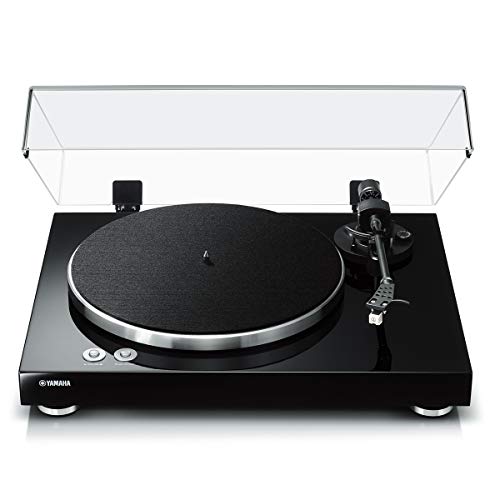
Static balanced straight tone arm creates accurate stylus pressure for accurate tracking and sound reproduction

Fully manual, belt-drive operation with two speeds: 33-1/3 and 45 RPM
Vinyl Records and Societal Changes
As music lovers enjoy their vinyl records, they unknowingly partake in a broader cultural shift. The 1950s and 1960s saw significant societal changes, with vinyl records playing a crucial role. Mass production made music affordable, allowing a wider audience to share in the experience. The introduction of the 12-inch LP format permitted longer, more complex artistic expressions. As youth sought rebellion, vinyl became a symbol of emotional freedom, reflecting the cultural upheaval of the time. Iconic album art captivated listeners, making it essential for many when selecting records. This integration of visual and musical culture reshaped consumer behavior, highlighting the importance of vinyl records in steering the evolving landscape of society. The ALL-ANALOG mastering process during this era preserved the original sound quality, creating a richer audio experience for listeners.
Revival and Appreciation of Vinyl Culture
Even though digital music has dominated for years, vinyl records have made a remarkable comeback. This resurgence of vinyl showcases its unique qualities, such as warm sound and tangibility. Many listeners find joy in the immersive experience that vinyl offers, making the music seem more real. Collectors are drawn to the distinctive album covers, which transform records into art pieces. To get started with vinyl, one needs a good turntable and some beginner-friendly records. Check that your turntable has a decent needle, as this impacts sound quality. Also, learn to handle records carefully to avoid scratches. Modern record players often come with Bluetooth connectivity, combining vintage charm with contemporary convenience. Explore local record stores or online shops for classic albums and enjoy the revival of this rich musical tradition.
Recommended Products

Top-notch turntable: The 3-speed turntable on this jukebox is equipped with a rocket dynamic magnetic needle and automatic return arm, ensuring that your vinyl records sound clear and crisp. You can play all your favorite records with ease and enjoy a true vintage listening experience.

[The Best record player for those who pursue higher sound quality]: This vinyl record player is with pure aluminum alloy movement, no plastic, carbon fiber tonearm for anti-interference sound quality. Optical fiber high-quality output and connection method.The overall transparent acrylic turntable has a high-end display and is truly stylish.

EXHILARATING SOUND PERFORMANCE - Immerse yourself in the ultimate listening experience by pairing a fully loaded high fidelity turntable with endlessly versatile, room-filling 150-watt powered floorstanding speakers
The Legacy of the Golden Age of Vinyl
The legacy of the golden age of vinyl has shaped music culture in countless ways. During the 1950s and 1960s, record labels flourished, producing iconic albums that defined genres like rock & roll. The introduction of the 12-inch LP allowed for longer playtimes and better sound quality. This gave artists like Elvis Presley and The Beatles the opportunity to create memorable works. Striking album art became important too, as unique cover designs drew in buyers and added value to collectors. Today, vinyl records are both nostalgic and trendy. For those new to vinyl, consider creating a collection. Bluetooth connectivity enables streaming from smartphones and devices, enhancing the integration of classic and modern listening experiences. Start with classic albums that resonate with you and explore their enthralling cover art; it’s part of the experience.
Frequently Asked Questions
Recommended Products

Versatile: This jukebox has a belt driven record player with auto-stop function, a USB port, MP3-compatible CD player, and a SD slot for music playback and recording function. A Bluetooth interface also allows for music playback from a smartphone, tablet or laptop.

Versatile: This jukebox has a belt driven record player with auto-stop function, a USB port, MP3-compatible CD player, and a SD slot for music playback and recording function. A Bluetooth interface also allows for music playback from a smartphone, tablet or laptop.

AT33x Series dual moving coil stereo cartridge with microlinear nude stylus
What Was the Golden Age of Vinyl?
The golden age of vinyl marked a remarkable era of music where record labels flourished, enhancing audio quality notably. Artists showcased creativity through elaborate cover art, defining a cultural movement that resonated with listeners globally.
Was Vinyl Popular in the 50S?
Vinyl’s popularity in the 1950s was unprecedented, a curious twist for a medium once deemed obsolete. With record innovations and thriving music culture, vinyl production flourished, shaping an era defined by rhythm, rebellion, and sound.
When Was Vinyl at Its Peak?
Vinyl reached its peak during the mid-1960s, characterized by vinyl collection trends that reflected music genre evolution. Record label innovations fueled sales and captivated audiences, solidifying vinyl’s influential role in the music industry.
Were Vinyls Popular in the 60S?
Vinyl records thrived in the 1960s, exemplified by the sale of 329 million records in 1978. The resurgence fueled record collecting and celebrated album artwork, transforming musical experiences into enchanting visual and auditory journeys.