As an Amazon Associate, we earn from qualifying purchases. Some links on this site are affiliate links at no extra cost to you. Our recommendations are based on thorough research and editorial judgment.


The Role of Vinyl in Hip Hop Culture

Vinyl records play an essential role in hip-hop culture. They help shape the sound by providing beats through sampling and turntablism. DJs loop tracks from funk and soul, using techniques like scratching to create unique rhythms. Albums like Nas’s “Illmatic” highlight the importance of vinyl sampling. Collecting vinyl also fosters community connections among fans. The physical experience of handling records enhances appreciation. For those who want to discover more about vinyl’s impact, continue exploring its rich history and artistic significance.
Key Takeaways
- Vinyl records were essential in hip-hop’s inception, providing beats for looping and sampling by pioneers like Kool Herc and Grandmaster Flash.
- DJs use turntables to manipulate vinyl, employing techniques like scratching and beat juggling to create unique sounds in live performances.
- Sampling from vinyl is a foundational practice in hip-hop, allowing artists to reinterpret and innovate on existing tracks, exemplified by J Dilla.
- Iconic hip-hop albums released on vinyl, such as “Illmatic” and “Licensed to Ill,” reflect artistic expression through design and collectible value.
- The resurgence of vinyl sales fosters community connections, cratedigging, and supports independent artists in the evolving hip-hop culture.
The Origins of Hip-Hop and Vinyl’s Influence
You may be interested
Hip-hop, which emerged in the late 1970s, owes much of its sound and style to vinyl records. DJs like Kool Herc creatively used vinyl to manipulate tracks, looping beats from funk and soul music. This innovative approach laid the groundwork for hip-hop. Techniques such as scratching and beat juggling were developed as artists learned to move vinyl back and forth under the needle, creating dynamic sounds. In music production, sampling became essential, allowing hip-hop artists to reinterpret existing songs. Even today, many producers continue to release music on vinyl, appealing to collectors. This ongoing relationship with vinyl highlights its importance in hip-hop culture, bridging generational gaps and maintaining a tactile connection to music. Regular checks and adjustments of stylus alignment are imperative for optimal sound quality when playing vinyl, ensuring the durability of records and enhancing the overall listening experience.
DJs and Turntablism: The Art of Vinyl Manipulation

Mastering the art of turntablism involves understanding how to manipulate vinyl records. DJs use vinyl turntables to loop breaks from funk, soul, and R&B tracks. Techniques like scratching and beat juggling create unique rhythms, adding flavor to performances. The foundation of turntablism was laid by pioneers such as Kool Herc and Grandmaster Flash, who extended breaks and defined hip-hop’s groove. To start, practice basic scratches like the baby scratch; it’s simple yet effective. Gradually incorporate beat juggling for more complexity. Despite the rise of digital tools, vinyl manipulation remains respected in hip-hop. It connects DJs to the roots of the culture. Keep experimenting with different records to create fresh sounds while honing your skills. Every scratch counts! When considering durable materials for record storage, vinyl enthusiasts should prioritize options that provide adequate protection from dust and damage.
Recommended Products

LP Turntable Mat : Take the Felt anti static slipmat on your LP record player pad.It can prevent slip can perfectly reduce the vibration of the record.Improve sound quality

No More Scratchy White Noise - Enjoy clear audio whenever you play your favorite LP records. This turntable slip mat provides professional sound-dampening effects to help reduce static and crackle.

Complete Package: You will receive 2 pieces of high-quality felt record mats. These mats are designed to effectively control vibrations generated during turntable operation and significantly reduce background noise, ultimately enhancing your listening experience.
Sampling: The Heart of Hip-Hop Production

Sampling serves as a foundational pillar of hip-hop production, offering unique opportunities for creativity. By using vinyl records, producers can extract snippets from classic tracks, creating fresh beats. To start sampling, dig through records to find breaks or loops. A turntable will help you isolate these sounds. Iconic figures like J Dilla showcased the potential of sampling, crafting innovative beats from vinyl sources. As you explore sampling, remember that it connects you to the past. It draws on influences from jazz, funk, and soul, enriching your sound. New producers are reinvigorating this art as vinyl popularity grows. So grab some records and let creativity flow through your sampling adventures in hip-hop production. Beginner record players with Bluetooth connectivity and compact designs enhance usability, making it easier for new producers to dive into sampling. Happy digging!
Recommended Products

Solid iron platter - precision-manufactured iron platter produces uniform inertial mass for perfect stability and rotation. Brings high-fidelity playback to the next level!
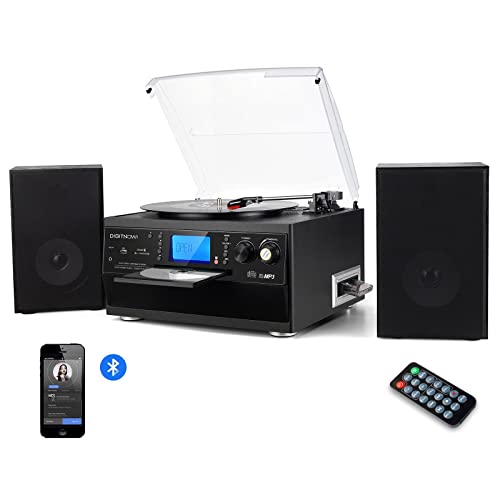
【CD Player and Recorder】Convenient CD changer for recording and playing with one press.Multimedia playback center is one of the best choices for home entertainment.
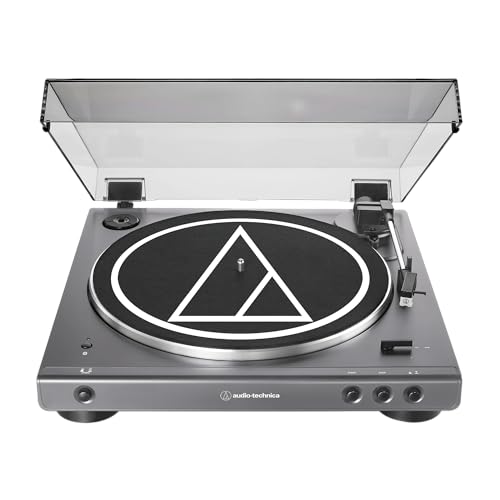
High-fidelity audio with Bluetooth wireless technology Connects wirelessly to speakers and other devices equipped with Bluetooth wireless technology or to wired audio systems and powered speakers via included dual RCA output cable Compatible with aptX codec Fully automatic operation with two speeds: 33-1/3 and 45 RPM Anti-resonance, die-cast aluminum platter Redesigned tonearm base and headshell for improved tracking and reduced resonance Integral Dual Moving Magnet phono cartridge with replaceable diamond stylus (ATN3600LC) AC adapter handles AC/DC conversion outside of the chassis, reducing noise in the signal chain
Iconic Vinyl Records That Shaped Hip-Hop History

Vinyl records have played a crucial role in shaping hip-hop history. One iconic album is the Beastie Boys’ “Licensed to Ill” from 1986. It was among the first rap albums to top the Billboard 200 chart, showcasing the importance of vinyl in hip-hop culture. Another significant record is Run-D.M.C.’s “King of Rock,” released in 1985, which blended rock and rap, setting a trend for genre crossover. DJ Kool Herc pioneered the use of two turntables in the early 1970s, demonstrating how vinyl records were fundamental for creating beats. Additionally, Nas’s “Illmatic” (1994) showcased classic vinyl samples that enrich hip-hop’s sound. Vinyl records are often displayed using stylish and functional designs that highlight the aesthetic and cultural value of these albums. Each of these albums exemplifies the influential power of vinyl in the genre’s evolution.
Recommended Products

WEST KANYE LATE REGISTRATION
![To Pimp A Butterfly [Explicit]](https://m.media-amazon.com/images/I/51oy1vrsLWL._SL500_.jpg)
16 track standard album
![The College Dropout [Vinyl]](https://m.media-amazon.com/images/I/51D74aXb7EL._SL500_.jpg)
Kanye West- College Dropout
The Cultural Significance of Vinyl in Hip-Hop

Understanding the importance of vinyl records in hip-hop provides insight into the genre’s roots. Since the late 1970s, vinyl has been essential in hip-hop culture. DJs use turntables to create breakbeats, forming the backbone of the music. Moreover, iconic producers like J Dilla demonstrate how vinyl’s unique textures add emotional depth to tracks. Today, many hip-hop artists still release vinyl records, offering limited-edition pressings that attract collectors. Searching for these rare finds, known as cratedigging, fosters community and personal connections among enthusiasts. In addition, hip-hop’s vinyl sales contributed to a resurgence of this format, with over 41 million units sold in the U.S. in 2022, surpassing CD sales for the first time since the 1980s.
Vinyl Collecting: A Passionate Community
Passion for vinyl collecting unites hip-hop enthusiasts in a vibrant community. Collectors appreciate the authentic sound and nostalgic charm of vinyl records. A great way to start vinyl collecting is by visiting local record stores. Look for rare finds and limited edition releases from major hip-hop artists. These can greatly increase in value. Engage in cratedigging—searching through stacks of records for hidden gems. Joining online communities on social media helps collectors connect with others. Share your discoveries and seek advice from fellow enthusiasts. Attend record fairs to celebrate hip-hop culture and meet like-minded fans. With nearly 20% of vinyl sales coming from independent artists as of 2021, connecting with indie labels can deepen your passion for vinyl collecting. For an enhanced listening experience, consider turntables with advanced components such as diamond-tipped stylus to enjoy high-fidelity audio.
Recommended Products

Shrink-wrapped

Released: 2014-12-15...

Ships in Certified Frustration-Free Packaging
The Impact of Independent Artists on Vinyl Culture
As independent artists increasingly embrace vinyl as a preferred distribution method, they add significant value to the music landscape. In 2021, nearly 20% of total vinyl sales in the U.S. came from independent artists, reflecting a growing love for tangible music among fans. Vinyl releases allow these musicians to showcase their creativity through unique album artwork and customized packaging. This not only enhances their artistic vision but also strengthens their connection to audiences. To discover new talent, visit local record stores and events focused on independent artists. These platforms are essential for supporting grassroots music movements. Independent hip-hop artists even incorporate sampling into their work, blending heritage with innovation and appealing to fans who appreciate authenticity. Investing in quality vinyl record sleeves is essential for maintaining the longevity and condition of your collection.
Nostalgia and the Resurgence of Vinyl in Hip-Hop
The revival of vinyl records is greatly shaping hip-hop culture. This resurgence is driven by nostalgia and a desire for authentic sound. In 2022, vinyl sales in the U.S. reached 41 million units, surpassing CD sales for the first time since the 1980s. Hip-hop artists are releasing more vinyl, appealing to collectors and nostalgic fans. DJs often prefer vinyl for its unique textures, which enhance sampling techniques. Cratedigging is common, where fans hunt for rare records, creating a deeper connection to music history. Events like the LA Record Fair promote community, allowing fans to share memories and experiences. By embracing vinyl, hip-hop enthusiasts not only enjoy music but also connect with generations before them. VinylShopUS Mystery Box offers a surprise element with a mix of classic tracks, making it an affordable way to expand a vinyl collection.
Recommended Products


Vinyl as an Artistic Statement in Album Design
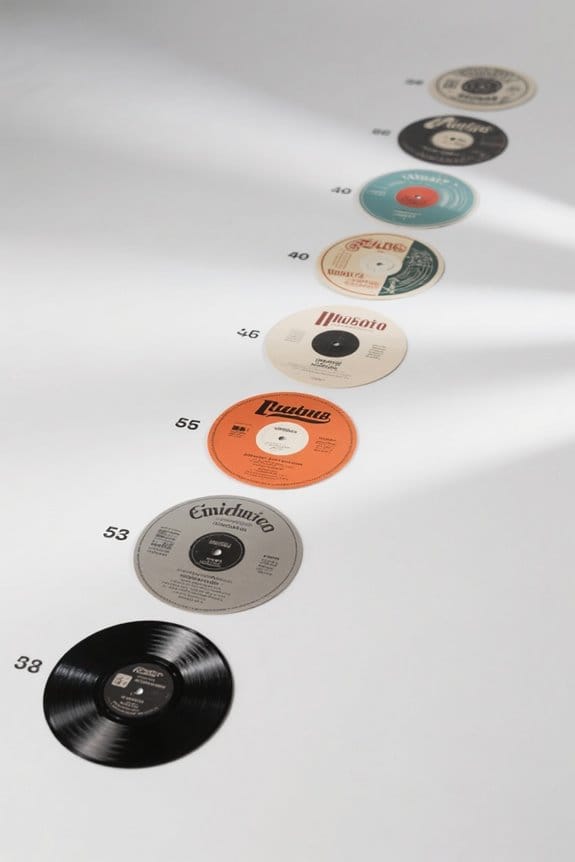
Vinyl album design acts as a vibrant canvas for artists, enhancing their music with striking visuals. When creating vinyl albums, artists use artistic expression to reflect their themes. You may notice that many hip-hop records showcase complex compositions through detailed cover art. This artwork adds value, especially for collectors who seek limited editions with unique designs and colored vinyl. As you explore an album, take a moment to appreciate the tactile experience. Feel the weight of the vinyl and examine the artwork closely. Icons like J Dilla and Kanye West demonstrate how visuals connect with musical identity. Albums such as Kendrick Lamar’s “To Pimp a Butterfly” illustrate how powerful imagery can tell intricate stories, making the package an essential part of the music. Durable construction is crucial for protecting these valuable vinyl records, ensuring that the artistry remains intact over time.
The Future of Vinyl in the Hip-Hop Scene
In hip-hop culture, the future of vinyl looks bright and promising. With U.S. vinyl sales exceeding 41 million units in 2022, artists are embracing this resurgence. Collecting hip-hop tracks on vinyl offers fans a nostalgic journey through music history. Limited edition releases, featuring unique pressings and artwork, drive demand among collectors, making them valuable treasures. To truly appreciate vinyl culture, consider visiting local record fairs or Beat Swap Meets. These events provide opportunities for crate digging and exchanging records with fellow enthusiasts. Many artists still use vinyl for sampling, as it enhances the tactile experience of creating music. High-quality sleeves protect records from dust and moisture, ensuring their longevity and maintaining their sound quality. This blend of tradition and modernity guarantees that vinyl will remain an essential medium in the hip-hop scene for years to come.
Frequently Asked Questions
What Is the Cultural Significance of Vinyl Records?
Vinyl records symbolize a unique auditory experience, deeply intertwined with nostalgia. Their tangible nature connects generations through shared musical heritage, allowing listeners to engage with sound in a way that digital formats often fail to replicate.
What Role Did Records and Turntables Play in the Development of Hip-Hop Music?
Records and turntables were essential in hip-hop development, enabling beat matching and innovative sample selection. Their analog sound quality contributed to a unique auditory experience, forming the backbone of the genre’s creative landscape and live performances.
Why Is Gen Z Buying Vinyl?
Ironically, in an age of instant streaming, Gen Z embraces vinyl resurgence trends for its nostalgia factor. Their preferences lean toward tangible experiences, fostering connections through collectible records that evoke memories and celebrate individual identity in music.
Why Are Vinyls so Important?
Vinyls are important due to their superior sound quality, which enriches listening experiences. Their nostalgic appeal captivates collectors, providing a tangible connection to music history, while fostering community among enthusiasts who celebrate the art of physical media.