As an Amazon Associate, we earn from qualifying purchases. Some links on this site are affiliate links at no extra cost to you. Our recommendations are based on thorough research and editorial judgment.


The War of the Speeds: 33 RPM Vs 45 RPM History

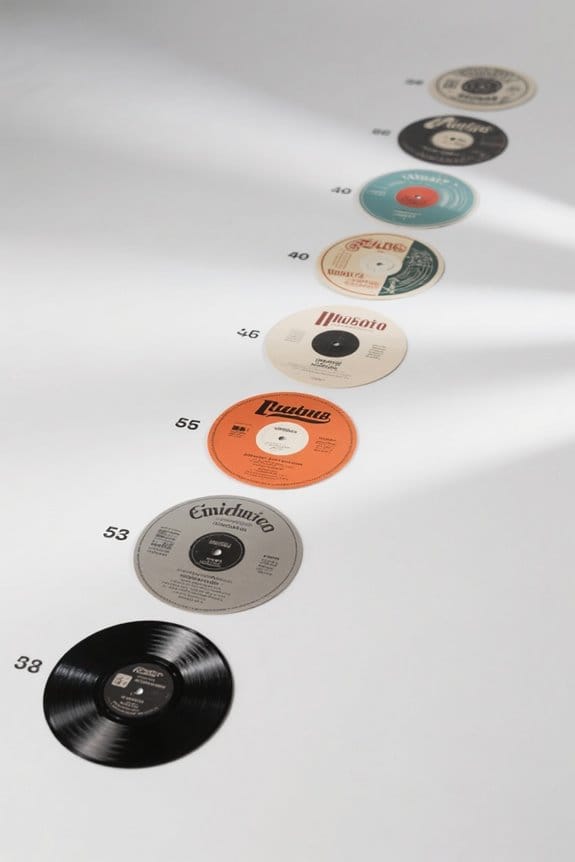
The “War of the Speeds” refers to the competition between 33 RPM and 45 RPM vinyl formats. In 1948, Columbia introduced 33 RPM records, allowing up to 22 minutes of music per side. RCA countered in 1949 with 45 RPM records, designed for singles, featuring about 4.5 minutes of music. Each format catered to different listening preferences. Understanding these differences is useful for music enthusiasts. Stick around to uncover more about this fascinating history and its impact on music.
Key Takeaways
- The “War of the Speeds” emerged in the late 1940s, primarily between Columbia’s 33 RPM LP and RCA’s 45 RPM single formats.
- Columbia introduced the 33 RPM format in 1948, revolutionizing music consumption with longer playtimes of around 22 minutes per side.
- RCA Victor launched the 45 RPM format in 1949, aimed at singles with approximately 4.5 minutes of music per side, fostering a new market.
- Marketing strategies for 45 RPM records highlighted colorful variants and B-sides, promoting collecting culture and appealing to post-war audiences.
- Consumer preferences shifted towards full-length albums with 33 RPM while 45 RPM targeted younger audiences and aligned with the rock and pop culture trend.
Overview of RPM Formats
You may be interested


When exploring the world of vinyl records, understanding the different RPM formats is essential. The three main standards are 78 RPM, 33 1/3 RPM, and 45 RPM. The 78 RPM format, popular in the early 20th century, made recordings out of shellac and could only hold about 4-5 minutes of music per side. This was soon overshadowed by the 33 1/3 RPM format, introduced in 1948, which allowed for approximately 22 minutes per side. This change supported full-length albums, enhancing musical storytelling. Meanwhile, RCA introduced 45 RPM in 1949, ideal for singles, with a playtime of around 4.5 minutes. These innovations led to the “War of the Speeds,” markedly shaping listener preferences and the music industry. Playback Speed Compatibility supports multiple speeds, ensuring versatility across a vinyl collection.
Recommended Products

VINYL MAKES A MAGNIFICENT COMEBACK – The warmth of analog music supersedes all digital forms. Marantz brings alive the old school charm with its Reference Series TT-15S1 Turntable (33 1/3 & 45 rpm) – an absolute stunner for your treasured albums

REDISCOVER YOUR PASSION FOR VINYL - Listen to your analog music in a brand new way with this rigid diecast aluminum vinyl turntable that comes with standard mount headshell, S-shaped tonearm, direct drive motor, and has rotation speeds of 33 1/3, 45, or 78 rpm

[The Best record player for those who pursue higher sound quality]: This vinyl record player is with pure aluminum alloy movement, no plastic, carbon fiber tonearm for anti-interference sound quality. Optical fiber high-quality output and connection method.The overall transparent acrylic turntable has a high-end display and is truly stylish.
Invention of 33 1/3 RPM Records

The invention of 33 1/3 RPM records in 1948 by Columbia Records marked a pivotal moment in music history. This new format used microgroove technology, allowing longer playtime of up to 21 minutes per side. Previously, 78 RPM records could only hold a few songs. Columbia demonstrated the 33 1/3 RPM format at the Waldorf Astoria in New York City, showcasing its potential for sound quality and album length. Initially, many listeners were skeptical. However, as people learned about its benefits, the 33 1/3 RPM format gained acceptance. This led to the establishment of the long-playing (LP) record as the industry standard for albums, revolutionizing how music was recorded and consumed. Some higher-end models of turntables are still preferred by audiophiles today for their superior sound quality.
Rca’s Competitive Response With 45 RPM

RCA Victor sprang into action in 1949 by introducing the 45 RPM record format, designed to compete directly with Columbia’s 33 1/3 RPM LP. The 45 RPM records were compact and cost-effective, perfect for music consumption of single tracks. Each side could hold about 4½ minutes of music, making them ideal for popular singles, especially during the rise of Rock ‘n’ Roll. RCA Victor cleverly released various colored vinyl records to attract different music genres. This innovation aimed to shift music consumption towards shorter tracks and B-sides. Despite initial hesitation from consumers, RCA recognized the demand for 33 RPM records in 1950, adapting to the evolving landscape of record speeds and listener preferences. RCA’s introduction of different colored vinyl records was a nod to vintage aesthetics that continue to attract collectors and nostalgic music fans today.
Recommended Products

Materials // The Stir it Up Lux is crafted from solid bamboo plinth, REGRIND silicone, REGRIND Cork, glass and recyclable aluminum.
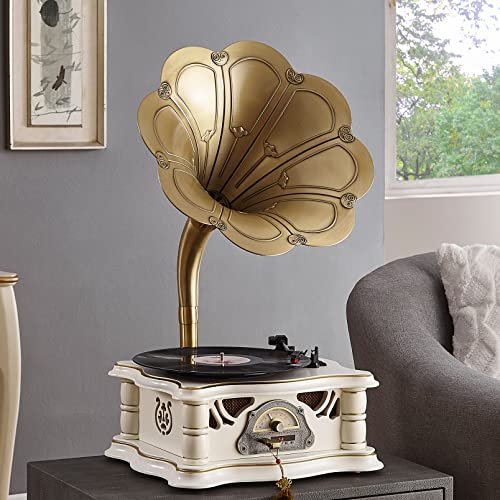
Professional stereo acoustic effect: 2 of10W Built-in full range stereo speakers and 1 of 15W bass speaker (woofer ) inside the base which provides a 360-degree stereo surrounded sound with rich and multi-layer feeling. And inside the horn there is a high-frequency speaker ( tweeter ) too; together with the horn, they will amplify the sound and make it be more effective, powerful and impressive.
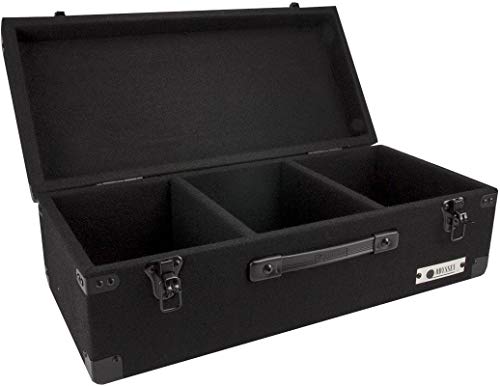
Black Carpet Exterior Lining(Gray Carpet Available Upon Request)
Marketing Strategies for 45 RPM Records

In the mid-20th century, marketing strategies for 45 RPM records showcased their appeal as a compact and affordable option for music lovers. RCA cleverly utilized seven different vinyl colors to signify various music genres. This branding strategy made the records visually appealing. They promoted 45 RPM records as cost-effective alternatives, perfect for consumers seeking single-track formats. The advertising emphasized the popular B-sides, showing the value beyond just hit singles. This approach positioned 45 RPM records as the choice for enjoying popular music after World War II. As public perception shifted positively, music enthusiasts began to collect singles, appreciating both affordability and convenience of 45s. Collectors often focused on limited edition releases to enhance the value of their collections. The result was a new culture focused on enjoying varied music tracks.
Recommended Products


Colored vinyl

Designed for Standard 45s: BCW 45 RPM record sleeves are made to fit standard single 7-inch vinyl records in their original jackets. Ideal for protecting collectible 45s from dust, scratches, and wear during storage or handling.
The Shift in Consumer Preferences

Shifting preferences in music consumption became evident with the introduction of different record formats. The 33 RPM LP records, introduced in 1948, offered longer playtimes, allowing listeners up to 21 minutes of music per side. This appeal led consumers to favor full albums, showcasing artistic depth. However, the 45 RPM records, released in 1949, catered to younger audiences by promoting affordability and compactness. These single-track formats gained popularity, especially within the rock and pop genres, often played on jukeboxes. By the late 1950s, the demand for 45s surged, aligning with the rising rock ‘n’ roll culture. Bluetooth vinyl record players offer modern convenience with features like built-in speakers and Bluetooth connectivity, making it easier to enjoy these classic formats. Overall, the competition between 33 RPM and 45 RPM illustrated distinct consumer preferences shaped by music listening habits and cultural trends.
Recommended Products

Hand-built in the UK 70 x 7" vinyl record rotating jukebox mechanism (140 selection rotating title strip display - A/B sides); Plays both "small" and "large" hole 45 RPM format records

【PREMIUM SOUND QUALITY】Immerse yourself in pure, uncompromised audio fidelity. Featuring a dedicated jukebox record player that captures the full warmth of vinyl with no signal loss, plus a high-fidelity jukebox CD player for crystal-clear digital playback. Every detail—from deep bass to sparkling highs—stays perfectly preserved. Built with the acoustic excellence of classic rockola designs, this jukebox guarantees authentic sound, whether you're spinning records or playing CDs.

Subchassis construction with rubber dampers
Impact of LP on Music and Artistic Expression
The introduction of LP records in 1948 greatly changed both music and artistic expression. With a rotation speed of 33 1/3 RPM, LPs enabled up to 21 minutes of music per side. This extended playtime allowed artists to create albums that represented cohesive artistic works rather than just collections of singles. Consequently, musicians could explore deeper themes and storytelling, transforming the listening experience. Record players designed for LPs encouraged creativity, as artists experimented with arrangements and styles without the limitations of shorter tracks. Genres like rock and jazz thrived in this environment of artistic freedom, resulting in iconic albums such as The Beatles’ “Sgt. Pepper’s Lonely Hearts Club Band.” The LP’s impact on music is undeniable and continues to influence today’s artists. Additionally, the use of high-quality phono cartridges on turntables ensures rich, warm sound, enhancing the listening experience for audiophiles and music enthusiasts alike.
The Decline of 78 RPM Records
As consumers began to demand longer playtimes and better sound quality, the decline of 78 RPM records unfolded in the late 1940s. These records, mainly made of shellac, typically held only two songs. Their limited audio fidelity made them less appealing than the new vinyl LPs. The recording industry responded by cutting the prices of standard 78s in 1948, which led many listeners to explore LPs. By the early 1950s, the demand for 78s sharply decreased. Record labels shifted their focus to producing 45 RPM and LP formats, marking a significant technological advancement. This shift reflected a broader change, as consumers sought more dynamic and lengthy listening experiences to enjoy their favorite music. A parallel can be drawn to modern shifts in audio technology, where features like Dolby Atmos in stereo receivers have transformed how listeners experience sound.
Recommended Products

Hear Every Note As Intended: Experience the warmth, depth, and authentic detail of vinyl with a DC motor belt-drive system that minimizes vibration and ensures consistent rotation. With support for 33⅓, 45, and 78 RPM, low wow and flutter, 20 Hz–20 kHz frequency range this record player delivers accurate playback across your record collection.

Seamless Bluetooth 5.3 Streaming Meets Authentic Vinyl Warmth:Cut the cords without an ounce of audio lag. This vinyl record player unleashes Bluetooth 5.3, streaming your LPs to any Bluetooth speaker or headphones with incredible range and stability. The built‑in transmitter automatically reconnects to your paired device, so all you do is drop the needle. Want to keep the classic wired setup? Just plug into powered speakers via RCA—this bluetooth record player gives you both paths. It transforms any room into a vintage‑style listening lounge without cable clutter, making it the ideal record player with Bluetooth for late‑night jazz, dinner parties, or solo deep‑listening.
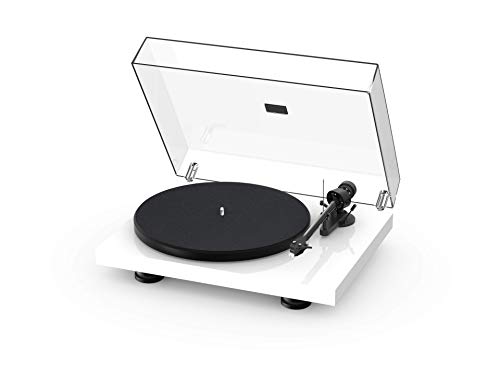
8.6" one-piece Carbon Fiber tonearm, integrated headshell
Feuds and Rivalries in the Recording Industry
Following the decline of 78 RPM records, a new chapter unfolded in the recording industry. The rivalry between Columbia and RCA set the stage for the “War of the Speeds.” Columbia introduced the 33⅓ RPM LP in 1948, offering longer playtime for music lovers. RCA countered in 1949 with the 45 RPM record, ideal for singles, especially rock and pop hits. RCA initially resisted LP technology, costing the company financially. RCA’s strategy featured colorful vinyl records to appeal to different genres, while Columbia focused on cohesive albums. This competition shaped recording equipment and consumer choices. Today, when choosing a record player, understanding these formats helps inform your music listening experience, providing enjoyable options for every kind of listener. For audiophile vinyl setups, key considerations include sound quality, connectivity options, and design aesthetics to enhance the listening experience.
Frequently Asked Questions
Which Came First, 45’s and 33’s?
The 33 RPM records emerged first in 1948, shimmering like a sunrise over vinyl popularity. Following closely, 45s appeared in 1949, spurred by evolving music consumption trends, competing fiercely in an audio quality comparison that captivated listeners.
What Is the History of 33 Rpm Records?
The history of 33 RPM records began with Columbia’s 1948 introduction, emphasizing longer playtime and improved sound quality. This format revolutionized vinyl collections and record players, enabling diverse music formats and artistic expression through full-length albums.
Is 45 RPM Better Than 33 RPM?
In a vibrant world of spinning records, 45 RPM emerged with crisp sound quality, catering to various music genres, while 33 RPM offered extended album length. Ultimately, listener preference determines which format reigns in individual experiences.
Why Did Records Switch From 78 to 45 to 33?
The shift from 78 to 45 and 33 RPM records occurred due to consumer demand for longer play times, technological evolution enhancing audio quality, and new industry standards that favored richer musical experiences and artistic expression.