As an Amazon Associate, we earn from qualifying purchases. Some links on this site are affiliate links at no extra cost to you. Our recommendations are based on thorough research and editorial judgment.


Belt Drive Vs Direct Drive Turntables Explained

Belt-drive turntables use a rubber belt to minimize vibrations, resulting in warmer sound quality. They are best for home listening and require periodic belt replacements. Direct-drive turntables feature a motor directly under the platter for quick start-up and speed stability, popular among DJs. They have fewer moving parts, leading to easier maintenance. Each type serves different needs. Understanding these fundamentals will help you choose a turntable that fits your music experience. There’s more to explore.
Key Takeaways
- Belt-drive turntables use a rubber belt for vibration absorption, improving sound purity and quality, favored by audiophiles.
- Direct-drive models feature a motor under the platter, allowing for high torque and quick start-up, ideal for DJs.
- Belt-drive systems may require regular belt replacements, while direct-drive turntables typically have lower maintenance needs.
- Sound quality differs; belt-drive offers warmer audio, while direct-drive delivers precise reproduction with occasional pitch variations.
- Pricing varies; belt-drive options can be more affordable, while premium direct-drive models cater to serious enthusiasts and DJs.
Understanding Turntable Mechanics
You may be interested


Understanding the mechanics of turntables can seem challenging at first, but it becomes easier with a bit of clarification. There are primarily two types: belt-drive and direct-drive. A belt-drive turntable uses a rubber belt to connect the motor to the platter. This setup minimizes vibrations, improving sound quality. Conversely, direct-drive models feature a motor right under the platter, providing immediate response and high torque. This contributes to speed stability, essential for DJs. While belt-drive systems may require belt replacements, direct-drive systems are generally easier to maintain due to fewer moving parts. Choosing between them depends on personal needs: smooth, high-fidelity playback or rapid, performance-driven capabilities. Bluetooth connectivity features simplify modern listening preferences. Understanding these fundamentals will guide a more informed decision in the world of turntables.
The Advantages of Belt Drive Turntables

Belt drive turntables offer several notable advantages that can enhance the listening experience. These turntables use a rubber belt that absorbs motor vibrations, resulting in smoother playback. This design minimizes motor noise interference, which enhances sound purity, making music more enjoyable. Additionally, belt drive turntables typically have a weighted platter, promoting speed stability. This helps maintain consistent pitch without drifting during playback. For collectors, the gentle treatment of vinyl records from these turntables is essential, helping to preserve record condition. While they may require occasional belt replacement and manual adjustments for speed changes, many home listeners prefer belt drive turntables for their rich and nuanced sound quality, making them an appealing choice for enthusiasts. Moreover, using turntable isolation feet can further reduce unwanted vibrations, significantly enhancing sound quality by improving bass clarity and overall audio performance.
Recommended Products
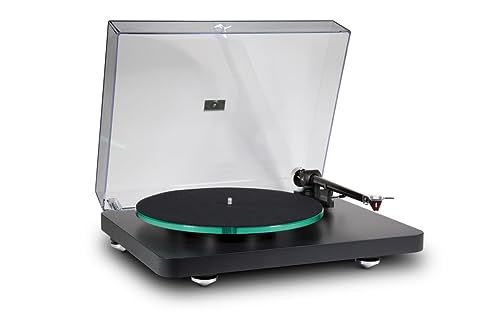
The NAD C 588 turntable is designed to deliver exceptional sound quality by focusing on precision engineering and materials. The Belt-driven turntable with 33/45 rpm speeds for versatile playback options.

Acoustic Perfection: The RT81+ and Ai81 bundle elevates your audio landscape to new heights of clarity and immersion.
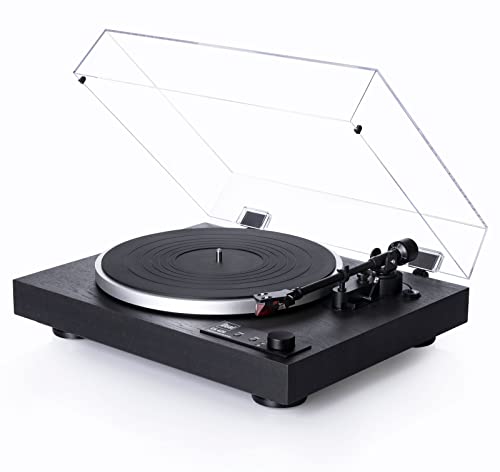
Silent Precision Engineering: Every moving part is designed for whisper-quiet operation, so the only sound you hear is pure vinyl playback.
The Benefits of Direct Drive Turntables

For those exploring audio playback options, direct drive turntables present a significant alternative to belt drive systems. These systems feature a motor located directly beneath the platter, offering impressive torque for quick start-up and rapid acceleration. This design guarantees consistent speed, which results in accurate playback without the wow and flutter often found in belt-driven models. Ideal for DJs, direct drive turntables allow for seamless beat matching and instant speed adjustments, making them perfect for live performances. With fewer moving parts, these turntables typically require less maintenance. Additionally, modern designs minimize motor noise, enhancing sound clarity and overall audio experience. Audiophiles seeking low vibrations will appreciate the coreless motors in some high-end models, ensuring superior audio fidelity. Consequently, for those seeking reliability and versatility, direct drive turntables are a compelling choice.
Recommended Products
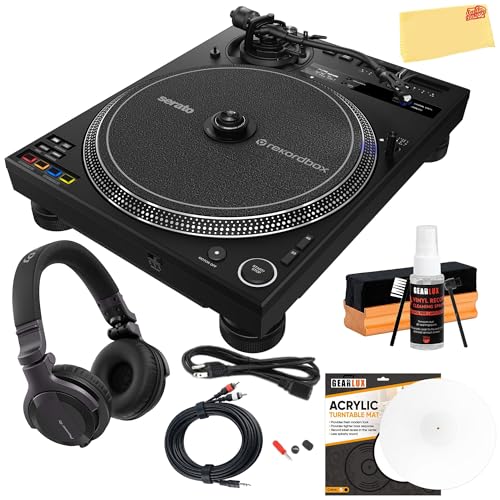
SKIP-FREE DVS PLAYBACK: The Pioneer DJ turntable uses a special DVS control system without a tone arm, along with the Magvel Clamp, ensuring smooth, skip-free performance during digital vinyl mode, even when scratching heavily

TONE-ARM-FREE DVS CONTROL: Eliminates skipping in digital playback, giving you an authentic vinyl experience with no tone arm maneuvering. Easily customize your setup with adjustable torque level and stopping speed to suit your style.

New large motorized jog wheels with haptic feedback in three modes: Feel a 'click' for cue points and loops when scrolling through tracks
Key Differences Between Belt and Direct Drive

When comparing turntables, the differences between belt and direct drive systems become clear. Direct drive turntables have a motor located directly under the platter, offering instant platter speed and quick start-up. This feature is perfect for DJs. In contrast, belt driven turntables use a rubber belt connecting an offset motor to the platter, minimizing vibrations. This design is favored for its smoother sound. When it comes to speed, direct-drive models maintain consistent RPM even under pressure, while belt-driven ones may face pitch variations due to manual tension adjustments. Maintenance is also different; belt-driven models require regular belt replacements, whereas direct-drive designs are more durable with fewer moving parts. S-shaped tonearm designs are often used in direct-drive turntables to reduce vibrations and improve stability, enhancing the sound quality for audiophiles. Understanding these pros and cons helps buyers make informed choices.
Recommended Products

<li>Built-in high-torque direct-drive motor reaches desired rotation speed in .7 seconds<li>+/-8 and +/-16 pitch control with 1-button touch<li>Computer controlled high precision pitch adjustment<li>Oxygen Free Coil (OFC) tonearm cable for high quality sound<li>S-shaped tonearm reinforced with anti-skating mechanism<li>Blue LED pitch indicators and stylus illuminator <li>Diecast aluminum cabinet for anti-vibration and durability<li>Adjustable stylus pressure

Quartz-driven, high-end turntable with Ortofon 2M Blue cartridge that impresses in more ways than just its sound and premium aesthetics
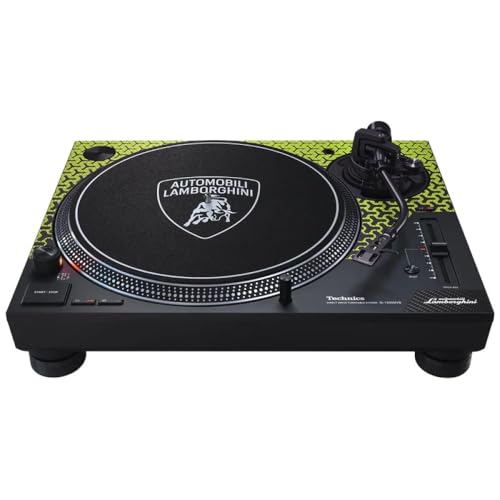
EXCLUSIVE COLLABORATION: Limited edition Technics x Automobili Lamborghini turntable featuring signature orange accents, distinctive tire tread patterns, and iconic bull shield branding
Sound Quality Considerations

Sound quality plays a significant role in choosing between turntables. Belt-drive turntables are known for their superior sound quality. The rubber belt isolates vibrations from the motor, resulting in a cleaner audio signal and less distortion. Additionally, the heavy platters in these models help minimize pitch drift, providing a more stable listening experience. This makes belt-drive turntables a favorite among audiophiles who appreciate a fuller, rounder sound that captures nuances in recordings. In contrast, direct-drive turntables are designed for quick startup and consistent rotation. However, they can introduce subtle pitch changes due to constant speed adjustments. This might compromise sound purity due to potential motor noise transmission. Consequently, sound quality is an essential factor in your selection process. For those seeking enhanced audio clarity and detail, selecting the right cartridge can further elevate the listening experience.
Maintenance and Durability Factors
Although both belt-drive and direct-drive turntables serve the same function, their maintenance and durability must be considered. Belt-drive models require regular maintenance, including periodic belt replacement due to wear, which only takes a few minutes. However, their suspension systems can introduce potential failure points over time. In contrast, direct-drive turntables feature a more robust design with fewer moving parts, offering increased reliability and longevity. They maintain speed stability thanks to high torque motors, while belt-drive systems may experience speed fluctuations from worn belts. Still, repairs for direct-drive components can be costly if issues arise, unlike the simpler maintenance required for belt-drive turntables. Choosing between them involves weighing maintenance effort against potential costs. Regular checks on stylus performance, as seen in reputable stylus replacements, can also prolong the lifespan and performance integrity of turntables, ensuring optimal audio quality.
User Experience and Listening Preferences
Choosing a turntable often hinges on user experience and listening preferences. Audiophiles typically lean toward belt-drive models due to their ability to reduce motor noise and vibrations. This results in a cleaner sound that highlights intricate audio fidelity. A belt-drive turntable may take a moment to reach full speed, but the delay is often worth it for rich playback. In contrast, DJs prefer direct-drive turntables for their quick start-up and high torque. This makes beat matching easier during live performances. However, direct-drive units may create subtle pitch changes, which can be a downside for those focused on detail in their music. Additionally, belt-drive turntables often feature anti-vibration systems designed to further reduce noise and distortion, enhancing the listening experience. Ultimately, understanding these differences is key to finding the right turntable for one’s listening style.
Which Turntable Is Right for You?
How can someone determine which turntable suits their needs best? First, consider your listening habits. If sound quality and home listening are priorities, a belt-drive turntable is likely the better option. It minimizes motor noise for a fuller sound. Conversely, if you’re into DJing, direct-drive turntables are ideal due to their high torque and fast speed adjustments. Next, think about maintenance. Belt-drive models require periodic belt replacements, while direct-drive options are more durable with fewer parts. Remember, personal preference dictates audio characteristics; belt-drive tends to deliver warmth, while direct-drive excels in precision. Budget matters too, so weigh the value of well-designed belt-drive turntables against premium direct-drive choices. Ultimately, choose what best fits your lifestyle and preferences. Many phono preamps support both MM and MC cartridge types, offering versatile compatibility for your turntable setup.
Recommended Products

VINYL MAKES A MAGNIFICENT COMEBACK – The warmth of analog music supersedes all digital forms. Marantz brings alive the old school charm with its Reference Series TT-15S1 Turntable (33 1/3 & 45 rpm) – an absolute stunner for your treasured albums
Unleash the full power of True Balanced - With one of our new True Balanced phono cables wired to a Phono Box S3 B, Phono Box DS3 B, Phono Box RS or RS2 you'll be able to hear your music in its entirety!
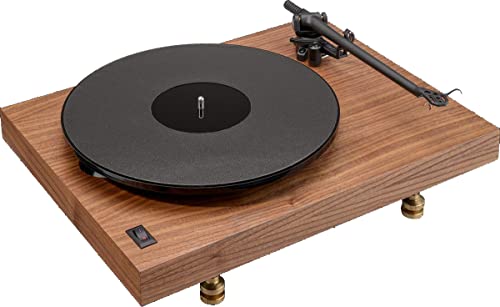
Moonbeam VI - INCLUDES DUST COVER
Recommended Turntable Models and Brands
When exploring the world of turntables, considering recommended models can simplify the selection process. For belt-drive models, the Pro-Ject Debut Carbon stands out, delivering high-quality sound with a stylish design. The Audio-Technica AT-LP120XUSB is another excellent choice, featuring USB connectivity for vinyl digitization. Newcomers might start with the affordable Audio-Technica AT-LP60XBT, which adds Bluetooth capabilities for easy listening. Advanced features like anti-vibration systems enhance listening experiences and are beneficial when selecting a turntable. In the sector of direct-drive options, the Technics SL-1500C impresses with its exceptional build quality and sound clarity. The Pioneer PLX-1000 offers professional-grade features perfect for DJs. For audiophiles seeking high-end performance, the Rega Planar 3 is highly praised for precision engineering, while the Denon DJ VL12 Prime caters specifically to DJ needs with its high-torque performance.
Recommended Products

Hybrid chassis with multi-material makeup suppresses unwanted vibrations
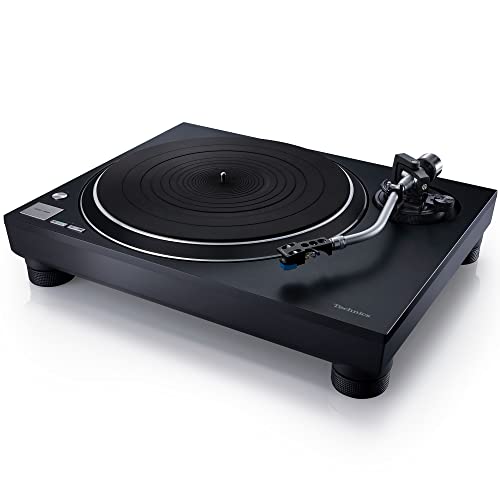
Accurately Reads Your Records: The high-sensitivity aluminum S-shape tonearm reads every signal stored in record grooves, for optimal tracking and sound

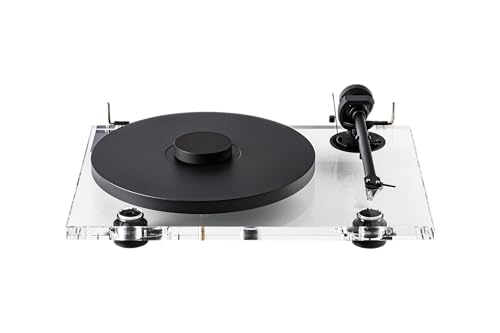
[The Best record player for those who pursue higher sound quality]: This vinyl record player is with pure aluminum alloy movement, no plastic, carbon fiber tonearm for anti-interference sound quality. Optical fiber high-quality output and connection method.The overall transparent acrylic turntable has a high-end display and is truly stylish.
Frequently Asked Questions
What Is Better, Direct Drive or Belt-Driven Turntable?
Choosing between direct drive and belt-driven turntables depends on preferences. Direct drive mechanics offer better turntable stability and speed control for DJs, while belt-driven models enhance audio fidelity, reducing record wear and improving overall user experience.
What Are the Disadvantages of Belt Drive?
Belt-drive systems face disadvantages such as speed stability issues, potential motor noise transfer, maintenance challenges requiring replacement parts, and risks impacting the listening experience. Cost factors may also arise from ongoing upkeep compared to alternatives.
Is a Belt-Drive Turntable Good?
Is a belt-drive turntable good? For many, yes—particularly for audiophiles seeking superior sound quality and vibration isolation, despite maintenance requirements. With diverse price ranges, its user experience aligns well with various genre preferences and listening environments.
Why Is Direct Drive Better?
Direct drive turntables offer significant advantages, including superior torque performance, enhanced speed stability, and reduced maintenance requirements. These features make them ideal for DJ usage, ensuring better audio quality and reliability during performances compared to other systems.


