As an Amazon Associate, we earn from qualifying purchases. Some links on this site are affiliate links at no extra cost to you. Our recommendations are based on thorough research and editorial judgment.


The Difference Between Moving Magnet and Moving Coil Cartridges

Moving magnet (MM) and moving coil (MC) cartridges are the main types of turntable cartridges. MM cartridges are user-friendly and have a higher output of about 5.5mV, making them compatible with many audio systems. In contrast, MC cartridges offer finer sound detail but produce a lower output of around 0.5mV, requiring specialized equipment. Each type has its benefits and drawbacks, making your choice dependent on your listening style and setup. Discover more insights to guide your selection.
Key Takeaways
- Moving Magnet (MM) cartridges have higher output levels, averaging around 5.5mV, making them compatible with most standard audio gear.
- Moving Coil (MC) cartridges produce lower output (around 0.5mV) and require more sensitive phono stages for proper amplification.
- MM cartridges typically feature user-replaceable styli, allowing for easy maintenance and replacements.
- MC cartridges are preferred for superior sound quality and micro-detail capture but often come at a higher price point.
- Selection between MM and MC depends on listening preferences: MM for robust audio, MC for clarity and finesse in sound reproduction.
Understanding Turntable Cartridges
You may be interested

Turntable cartridges play an essential role in vinyl playback, acting as the bridge between the record and the sound system. They come in two main types: moving magnet cartridges and moving coil cartridges. Moving magnet cartridges typically have higher output levels, making them easier to connect to standard audio gear. In contrast, moving coil cartridges produce lower output, often requiring more sensitive amplification. These moving coil phono cartridges are favored by audiophiles for their excellent sound quality and detailed reproduction. Understanding the difference between the two is key when selecting the right cartridge for your setup. Consider your listening preferences and the type of audio equipment you have to choose wisely between moving magnet and moving coil options. Cartridges with replaceable styli offer longevity and upgrade potential, making them a viable choice for those looking to extend the lifespan of their turntable setup.
Recommended Products

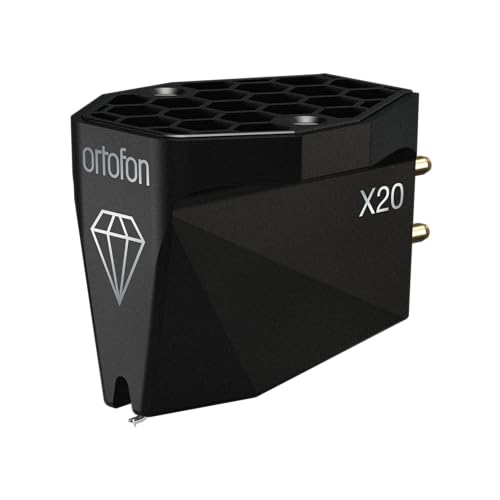
A NEW BENCHMARK IN ANALOG PERFECTION - With the MC X Series Ortofon sets a new benchmark in MC cartridge design pushing premium Moving Coil technology to unprecedented levels of performance

【Upgraded Easy Plug & Unplug Design】Each turntable headshell lead wire features a spring clipper connector for effortless installation and removal. No more frustrating loose connections—just secure, reliable contact for your phono cartridge.
How Moving Magnet Cartridges Function

Understanding how moving magnet cartridges function is essential for anyone interested in vinyl playback. This cartridge type uses a small magnet attached to a cantilever that moves within fixed coils. As the needle tip tracks the grooves of a record, the magnet generates an electrical signal by inducing a magnetic field in the coils. Moving magnet cartridges are known for their high output, averaging around 5.5mV, which makes them compatible with a wide range of phono preamps. They are also user-friendly, allowing users to replace the stylus without needing to change the entire cartridge. This design enables greater compatibility with various audio equipment, making them an ideal choice for novice audiophiles and casual listeners. Additionally, high output cartridges offer ease of use for casual listeners and are more compatible with standard audio systems.
How Moving Coil Cartridges Function

While exploring the world of vinyl playback, one might find moving coil cartridges intriguing due to their unique design and sound qualities. These cartridges function by suspending lightweight wire coils within a fixed magnet. As the needle moves through the record grooves, the coils respond to vibrations, generating a small electrical current. This current is then transformed into an audio signal that can be amplified. Moving coil cartridges typically produce lower output voltage, around 0.5mV, compared to their moving magnet counterparts. Audiophiles appreciate these cartridges for their ability to capture detail and nuance, making them suitable for high-fidelity listening. However, they require a sensitive phonostage to achieve peak performance and sound quality. Additionally, MC preamps generally exhibit higher sensitivity compared to MM preamps, making compatibility critical for optimal performance.
Pros and Cons of Moving Magnet Cartridges

Many audio enthusiasts appreciate the convenience of moving magnet cartridges in their setups. This type of cartridge offers higher output levels, making them compatible with standard amplifiers. They are generally less expensive, with models like the Goldring E3 costing around $89. The moving magnet design also features user-replaceable styli, allowing for easy maintenance, which is great for novice audiophiles. However, moving magnet cartridges aren’t without drawbacks. Their sound is often described as meatier but less nuanced compared to quality moving coils. For DIY enthusiasts, their straightforward design makes experimentation easy but might lack the detail some purists seek. When considering record protection, it’s important to use archival quality sleeves to ensure the longevity of your vinyl collection. Ultimately, understanding these pros and cons can help users choose the right moving magnet phono for their record players.
Recommended Products

VM95 Series dual Magnet cartridge with 0.3 x 0.7 mil Elliptical stylus

Universal fit for most turntables

Special limited edition Stealth version of the popular Ortofon 2M Red Moving Magnet Phono Cartridge
Pros and Cons of Moving Coil Cartridges

Moving coil cartridges offer a different experience compared to their moving magnet counterparts. Many audiophiles believe MC cartridges provide better sound quality, as they capture more micro-detail, especially in high frequencies. However, they typically have lower output levels, around 0.5mV, which may require a step-up transformer for better amplification. While some may argue that moving coil is better for high-end audio, these cartridges often come at a higher price. Maintenance can be tricky, as their styluses are usually non-replaceable. If damaged, the entire cartridge must be replaced. For those considering upgrading their vinyl setup, it’s important to note that ruby stylus options offer durability and improved tracking, which can be a cost-effective alternative. Overall, for a rich vinyl listening experience, MC cartridges are ideal, but potential buyers should consider the cost and maintenance involved before investing.
Recommended Products

Songbird is part of Sumiko's prestigious Reference Series
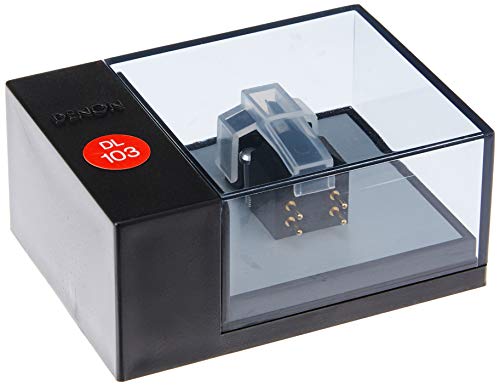
Denon Classic turntable cartridge, the dl 103, has been an industry standard for decades

Dual Moving Coil design featuring independent coils for both left and right channels provides outstanding channel separation
Performance Comparison
When it comes to performance comparison between moving coil (MC) and moving magnet (MM) cartridges, understanding their differences is essential. MM cartridges typically produce higher electrical outputs, around 5.5mV, making them suitable for casual listening. They offer a robust, punchy sound that appeals to many users. In contrast, MC cartridges output approximately 0.5mV but are often favored by audiophiles for their superior detail resolution and finesse in sound reproduction. While premium MC cartridges deliver delicate, articulate sounds, high-quality MM cartridges can match them in performance. It’s important to ensure tonearm compatibility with the chosen cartridge to optimize sound quality. Ultimately, the choice between moving magnet vs moving coil depends on whether you prioritize clarity and intricate details or a more powerful audio experience. Consider your listening preferences when deciding.
Recommended Products
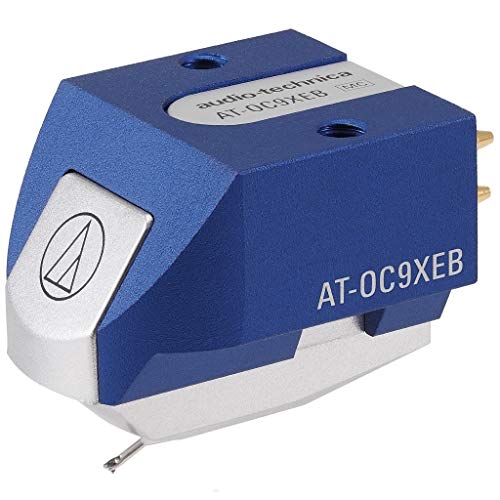
Dual moving coil design featuring independent coils for both left and right channels provides outstanding channel separation

Universal fit for most turntables

Choosing the Right Cartridge for Your Needs
How can one navigate the world of audio cartridges to find the perfect match? Start by evaluating your budget and listening habits. Moving magnet cartridges are usually more affordable and compatible with most systems under $1000. They work well for casual listeners. If you’re an audiophile prioritizing sound quality, consider a moving coil cartridge, as it offers superior detail but requires a sensitive phono stage. For example, the Goldring E3 is about $89, while the Ortofon Quintet Blue starts at $389. Don’t hesitate to experiment; personal preferences matter. Reviewing your choices will help enhance your overall audio experience. Clear understanding of these factors guarantees you select the right cartridge for your needs. Additionally, upgrading the cartridge can significantly improve audio fidelity and is worth considering for those seeking enhanced sound reproduction capabilities.
Recommended Products

VM95 Series dual Magnet cartridge with 0.6 mil Conical stylus

Fits most standard turntables
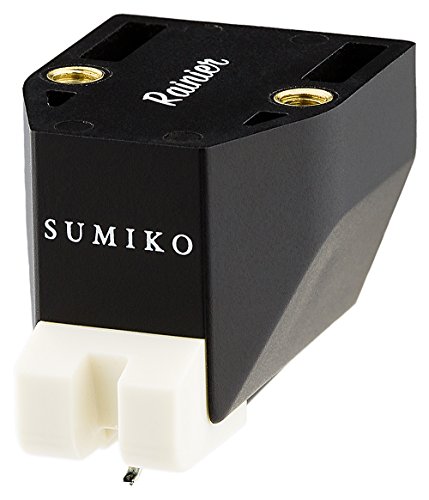
Moving Magnet with Elliptical stylus
Frequently Asked Questions
Is Moving Magnet or Moving Coil Better?
Choosing between moving magnet and moving coil depends on sound quality preferences, cartridge lifespan, and installation ease. Moving coils excel in tonal characteristics and tracking ability, while moving magnets offer better frequency response and cost comparison across music genres.
What Is the Difference Between a Moving Coil and a Moving Magnet?
The differences between cartridge types involve sound quality, frequency response, and weight. Moving coil designs typically offer finer audio details but may present compatibility issues, while moving magnets are generally more affordable, user-friendly, and versatile in tracking force.
How Do I Know if I Have a Moving Coil or Moving Magnet Cartridge?
Determining cartridge type resembles deciphering a musical score. By evaluating cartridge features like stylus shape, impedance levels, and compatibility issues, individuals can identify the type, considering audio quality and pricing differences as essential factors in setup requirements.
How Do You Tell the Difference Between MM and MC Cartridges?
Cartridge identification techniques involve examining construction differences, such as weight and replaceability. Sound quality comparison may highlight audiophile preferences, while frequency response analysis and magnetic field principles address turntable compatibility issues and cartridge maintenance tips for peak performance.


