As an Amazon Associate, we earn from qualifying purchases. Some links on this site are affiliate links at no extra cost to you. Our recommendations are based on thorough research and editorial judgment.


Understanding Turntable Components and Functions

Turntables have several key components that work together for the best audio experience. The plinth supports everything, minimizing vibrations. The platter holds the vinyl and must maintain speed for accurate playback. Motor types, like direct-drive and belt-drive, affect sound quality. The tonearm holds the cartridge, which carries the stylus that converts sound waves into electrical signals. Finally, phono preamps boost the weak signals for better audio. Each part contributes to overall performance, and there’s more to explore.
Key Takeaways
- The plinth stabilizes turntable components and minimizes vibrations, significantly affecting audio fidelity and performance.
- The platter supports vinyl records during playback, maintaining speed and reducing vibrations for smooth playback.
- Motor types include direct-drive, which offers quick start-up, and belt-drive, favored for reduced vibrations and better sound quality.
- The tonearm and cartridge work together, with the tonearm ensuring accurate tracking and the cartridge influencing sound quality based on its type.
- Phono preamps convert weak signals to line-level, enhancing audio reproduction with modern turntables often having built-in options.
The Role of the Plinth in Turntables
You may be interested


When considering a turntable, the plinth is an essential component that should not be overlooked. The plinth provides stability for all parts of the turntable, ensuring peak performance. Constructed from materials like sustainably-sourced bamboo and recyclable aluminum, the plinth is both eco-friendly and effective. Its primary role is to minimize vibrations that can disrupt sound quality during playback. A well-designed plinth dampens resonance, creating a clearer audio experience. By mitigating unwanted disturbances, it directly contributes to better audio fidelity. When choosing a turntable, pay close attention to the plinth’s design, as it greatly affects the overall performance. A strong foundation leads to a more enjoyable listening journey, even if you’re just starting to explore the world of vinyl. Using a quality turntable platter mat can further enhance the sound quality by minimizing distortion and revealing finer details in the music.
Recommended Products

VINYL MAKES A MAGNIFICENT COMEBACK – The warmth of analog music supersedes all digital forms. Marantz brings alive the old school charm with its Reference Series TT-15S1 Turntable (33 1/3 & 45 rpm) – an absolute stunner for your treasured albums

ENGINEERED FOR MUSICAL ACCURACY: The definitive high-fidelity experience; designed with precise stylus tracking on a perfectly isolated & decoupled dual-plinth platform so you can hear every groove's finest detail with stunning clarity
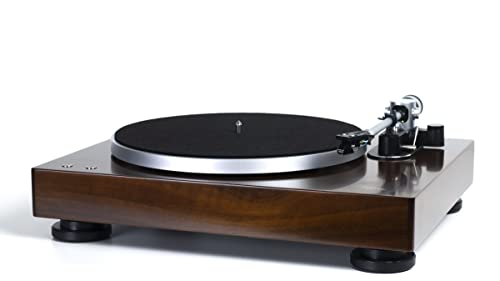
[Rich, Dynamic Sound:]Experience superior audio quality with the built-in phono preamp and included Music Hall Spirit cartridge.
Understanding the Importance of the Platter

The platter is a critical player in the world of turntables, serving as the surface where vinyl records spin during playback. Its role is essential for maintaining consistent speed and accuracy while records play. A high-quality platter helps reduce vibrations, which improves sound quality greatly. When choosing a platter, consider its weight; heavier platters provide better stability, enhancing overall performance. Additionally, many platters are crafted from eco-friendly materials, balancing durability and style. The platter’s functions include supporting the record accurately and ensuring a smooth playback experience. Without a quality platter, the listening experience can suffer, making it an indispensable component of any turntable setup. Always prioritize a well-constructed platter for the best audio results. For optimal sound performance, consider using turntable isolation pads to further reduce unwanted vibrations and enhance audio clarity.
Recommended Products

17” (432mm) Wide x 15” (381mm) Depth. 1.2” (30mm) Thick. 25 lbs (11.3 kg) weight capacity.

WINNER of the Stereo+ Product of the Year 2020-2021, Audiograde Best of 2021, EISA Best Product 2019-2020, Audiophilia Product of the Year 2020, Absolute Sound Golden Ear Award 2020, Stereophile Product of the Year 2019, and Stereophile Editor’s Choice 2018.
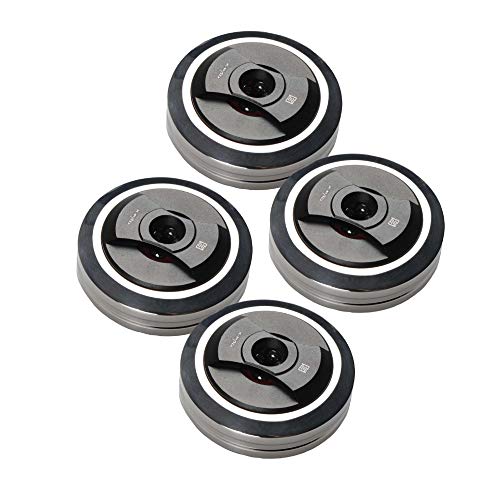
Made from polished Stainless Steel, T6061 Aluminum, Silicone Cushion to accurate tolerances. 3-Layer Design with Zirconia Precision Balls, Kills bad vibration. Hand Polished 304 Stainless Steel, Silicone Cushion Layer & Aluminum Base. High-grade plating, beautiful, bright, not easy to be scratched. Universal base pads, suitable for spikes or hi-fi equipment.
Exploring Motor Types and Their Impact

After setting up a quality platter, attention turns to the motor type. Turntables typically use two motor types: direct-drive and belt-drive. Direct-drive motors connect directly to the platter spindle. This setup allows for quick start-up times, making it popular among DJs. However, this design can introduce mechanical vibrations, affecting audio quality. Conversely, belt-drive motors utilize a rubber belt to separate the motor from the platter. This design notably reduces vibrations, leading to improved sound quality during playback. Many brands, like House of Marley, prefer belt-drive systems to provide a smoother listener’s experience. Ultimately, the motor type chosen greatly influences the stability and overall enjoyment of the audio produced by the turntable. Bluetooth 5.3 connectivity is a key feature in 2026 turntables, offering advanced wireless streaming capabilities and enhancing modern listening experiences.
Recommended Products
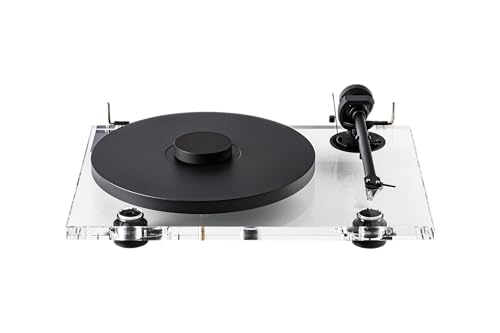
Unleash the full power of True Balanced - With one of our new True Balanced phono cables wired to a Phono Box S3 B, Phono Box DS3 B, Phono Box RS or RS2 you'll be able to hear your music in its entirety!
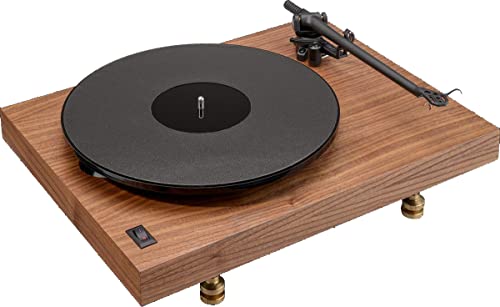
Moonbeam VI - INCLUDES DUST COVER
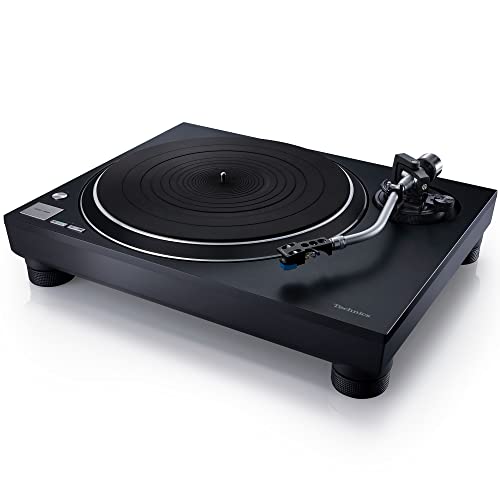
Accurately Reads Your Records: The high-sensitivity aluminum S-shape tonearm reads every signal stored in record grooves, for optimal tracking and sound
Significance of the Tonearm and Cartridge

One essential component of a turntable is the tonearm, which holds the cartridge and stylus. This device guarantees accurate tracking of the grooves on vinyl records. A balanced tonearm allows prime tracking force, minimizing wear on both the stylus and the record while maintaining audio fidelity. Choosing the right cartridge considerably affects sound quality. There are two main types: moving magnet (MM) cartridges provide good sound for casual listening, while moving coil (MC) cartridges offer superior performance but at a higher price. The stylus, often with a diamond tip, vibrates as it follows grooves, converting mechanical motion into electrical signals. This process enhances the overall listening experience, making it fundamental to select quality components for the best results. Cartridges with replaceable styli offer longevity and upgrade potential, allowing users to maintain and enhance their vinyl listening experience over time.
Recommended Products
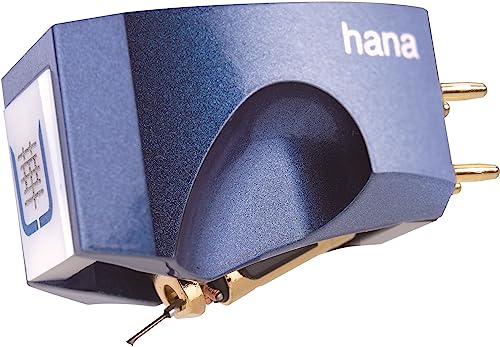


The dual moving coils of the system are aligned in an inverted V shape, which provides high separation and wide response for clear sound localization and minimal distortion
The Function of Phono Preamps in Audio Systems

Often overlooked, phono preamps play an essential role in any audio setup involving a turntable. They convert weak phono output signals from turntables into line-level signals that can be easily amplified and played through speakers. Many modern turntables include built-in phono preamps, but vintage or high-end models often require an external preamp for better performance. When setting up your turntable, it’s vital to connect a ground wire to the external phono preamp; this minimizes noise and hum during playback. Investing in a high-quality phono preamp can enhance audio reproduction greatly. A compact design ensures that the preamp can fit seamlessly into any audio setup without taking up excessive space. Avoiding issues like weak levels and excessive treble leads to a more enjoyable listening experience. Always check compatibility with both your turntable and speakers for the best results.
Recommended Products

HIGH-PERFORMANCE INTEGRATED AMPLIFIER - The Denon PMA-3000NE 2 Channel Amplifier Home Audio, tuned by Denon's Sound Master Shinichi Yamauchi, delivers 80W/Ch at 8 ohms (160W/Ch at 4 ohms), ensuring accuracy & low distortion to enhance your home audio
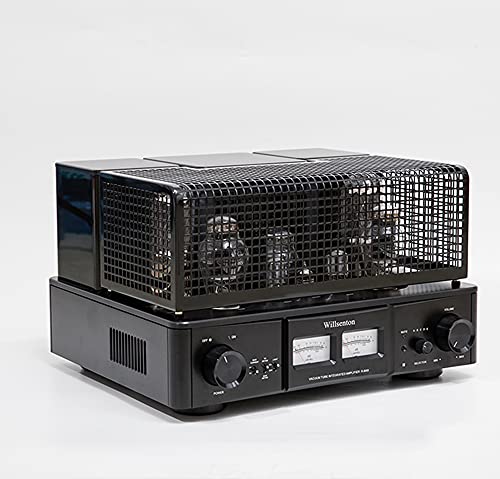
Hand welding point to point, the main circuit adopts shed welding

A studio-quality, 96 kHz/64-bit digital signal processor uses enhanced dithering technology and a low-jitter clock to deliver a warm, natural analog sound
Frequently Asked Questions
What Are the Parts of a Turntable Called?
The turntable consists of a tonearm assembly, platter design, various cartridge types, drive mechanisms, and speed settings, alongside features like stylus replacement, anti-skate mechanisms, phono preamp, vibration isolation, and even record cleaning essentials.
What Does 16 33 45 and 78 Mean?
The numbers 33, 45, and 78 denote vinyl speed settings, impacting audio quality differences across record types. Collectors’ preferences vary, reflecting a history of vinyl’s popularity and a shift to digital, influencing turntable calibration tips and needle performance.
What Do EP and LP Stand For?
EP records stand for “Extended Play,” while LP formats signify “Long Play.” These vinyl types revolutionized music genres, enhancing audio quality and sound fidelity, enriching record collections, and elevating the listening experience throughout vinyl history and turntable care.
What Is the Most Important Component of a Turntable?
The most important component of a turntable is the tonearm, as its adjustments, cartridge alignment, and anti-skate mechanisms greatly influence playback quality, speed stability, and overall sound performance, essential for ideal listening experiences.


